


How to prompt customers for specific feedback on product design & luxury appeal?
In the competitive landscape of product development, understanding not just if customers like a product, but why they do, is paramount. This becomes even more critical when delving into the subjective realms of product design and luxury appeal. Generic feedback often falls short, providing little actionable insight. To truly elevate your product, you need to prompt customers for specific, granular feedback that illuminates their perceptions of aesthetics, functionality, and the elusive sense of luxury.
Why Specific Feedback on Design & Luxury Matters
Product design isn’t just about aesthetics; it’s about functionality, usability, and the emotional connection it fosters. Luxury appeal, on the other hand, transcends mere utility, tapping into feelings of exclusivity, craftsmanship, and perceived value. Without specific feedback, you risk making design decisions based on assumptions rather than concrete user insights. Broad statements like “it looks good” or “it feels premium” are flattering but don’t tell you what specifically contributes to that perception or how to replicate or improve it.

Strategies for Eliciting Detailed Design Feedback
1. Structured Surveys with Visual Prompts
While often seen as quantitative, surveys can be powerful tools for qualitative feedback when structured correctly. Instead of asking “Do you like the design?”, break it down:
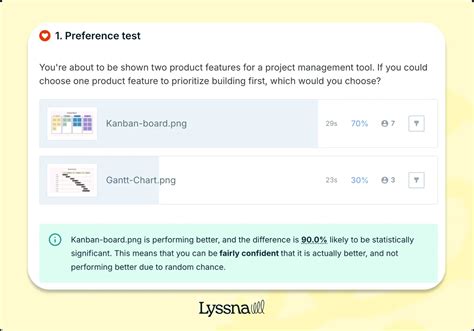
- Visual Comparisons: Show two design variations side-by-side (A/B testing within the survey) and ask which they prefer and, crucially, why.
- Rating Specific Elements: Ask customers to rate individual aspects like color palette, material texture, button placement, or overall form factor on a scale, followed by an open-ended “What do you like/dislike about this?”
- Heatmaps/Click-tracking: For digital designs, allow users to click on specific areas of an image to leave comments directly on elements.
2. In-Depth Interviews & Focus Groups
These methods are invaluable for uncovering the “why” behind opinions. Facilitators can probe deeper, ask follow-up questions, and observe non-verbal cues.
- Show and Tell: Provide physical prototypes or high-fidelity mockups. Ask participants to describe their first impressions, what stands out, and how they interact with the product.
- Sensory Exploration: Encourage participants to touch, feel, and even smell the product (if applicable). Ask specific questions about tactile feedback, material quality, and perceived durability.
- Contextual Inquiry: Observe users interacting with the product in their natural environment to identify pain points and delights that might not emerge in a lab setting.
Unlocking Feedback on Luxury Appeal
Luxury is often an emotional and psychological construct. To prompt feedback on this, you need to tap into those deeper perceptions.
1. Evocative Language & Scenario-Based Questions
Move beyond simple aesthetics to the experience of luxury. Use questions that evoke feeling and status:
- “Imagine you’re presenting this product to a friend. What words would you use to describe its quality and exclusivity?”
- “How does holding/using this product make you feel? Does it convey a sense of craftsmanship or specialness?”
- “Compared to other products in its category, how does this one stand out in terms of premium feel and perceived value?”

2. Conjoint Analysis & Pricing Perception
To understand what features drive luxury perception and willingness to pay, conjoint analysis can be highly effective. Present various product configurations (different materials, finishes, features) and ask users to rank or choose their preferences. This reveals the implicit value they place on specific luxury attributes.
Additionally, ask direct questions about pricing perception: “Given its design and perceived quality, what price range would you expect for this product?” This helps gauge if your design is effectively communicating its intended luxury tier.
3. Brand Association Exercises
Ask customers to associate your product with brands, emotions, or lifestyles. “If this product were a car brand, which one would it be and why?” or “What kind of lifestyle do you imagine someone using this product would lead?” These indirect questions can reveal underlying perceptions of luxury, status, and target audience alignment.
Analyzing and Iterating
Gathering feedback is only half the battle. Systematically analyze the qualitative data, looking for recurring themes, specific suggestions, and unexpected insights. Categorize feedback by design elements (color, material, form), functional aspects, and luxury attributes (exclusivity, craftsmanship, emotional resonance). Use this analysis to inform your next design iteration. Remember, design is an iterative process; prompt, listen, analyze, and refine.
By employing these targeted strategies and crafting specific questions, you can move beyond superficial opinions to gather truly actionable feedback on your product’s design and its crucial luxury appeal. This deeper understanding will empower you to create products that not only meet user needs but also captivate their desires and stand out in the marketplace.