
How to choose workshops & apply techniques for enhanced, elegant makeup artistry?

In the dynamic world of makeup artistry, staying ahead means continuously refining your skills and expanding your repertoire. For those aspiring to create enhanced and elegant looks, merely watching online tutorials often isn’t enough. Professional workshops offer a structured environment, expert guidance, and hands-on experience crucial for true mastery. But with countless options available, how do you choose the right workshop, and more importantly, how do you effectively integrate new techniques into your unique artistic vision?
Define Your Artistic Vision and Skill Gaps
Before diving into workshop selections, take a moment to introspect. What kind of makeup artistry truly resonates with you? Do you aim for high-fashion glamour, subtle bridal beauty, avant-garde looks, or perhaps special effects? Identifying your desired niche will narrow down your search significantly. Equally important is an honest assessment of your current skill set. Are you struggling with precise eyeliner application, flawless skin techniques, color theory, or perhaps advanced contouring and highlighting? Pinpointing these gaps will help you seek out workshops that directly address your learning needs.
Selecting the Perfect Workshop for Your Growth
The marketplace for makeup education is vast. To make an informed decision, consider several key factors:
1. Instructor’s Expertise and Reputation
Research the instructors. Do they have a strong portfolio showcasing the style you admire? What are their credentials and industry experience? Look for artists whose work embodies the elegance and enhancement you aim for. Reviews and testimonials from past students can offer valuable insights into their teaching style and the workshop’s effectiveness.
2. Curriculum and Learning Objectives
Carefully review the workshop’s syllabus. Does it cover the specific techniques you want to learn? Is there a good balance between theory and practical application? A well-structured curriculum should clearly outline learning objectives and what skills you’ll acquire by the end of the program.
3. Format: Hands-On, Demo, or Hybrid?
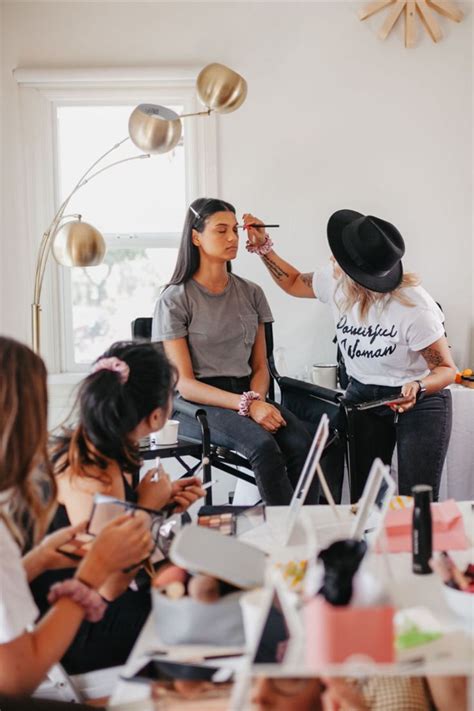
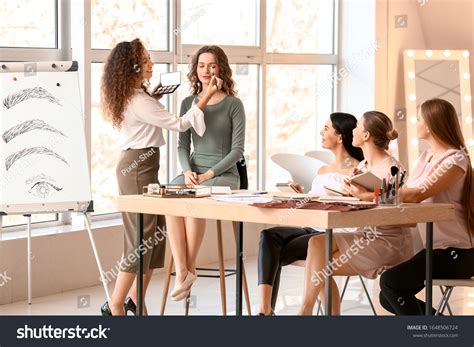
Hands-on workshops are invaluable for practical skill development, allowing you to execute techniques under direct supervision. Demo-only workshops can be great for inspiration and seeing techniques in action but offer less personal practice. A hybrid approach often provides the best of both worlds. Consider your learning style and what will be most beneficial for you.
4. Class Size and Individual Attention
Smaller class sizes generally mean more personalized feedback and one-on-one time with the instructor. If your goal is to refine specific techniques, a more intimate setting might be preferable. Conversely, larger workshops can sometimes offer broader networking opportunities.
Maximizing Your Workshop Experience
Enrolling is just the first step. To truly benefit, you must actively engage:
- Be Present and Attentive: Put away distractions and absorb every piece of information.
- Ask Questions: Don’t hesitate to clarify doubts or seek further explanation. This is your chance to learn from an expert.
- Network: Connect with fellow artists. These relationships can lead to future collaborations, mentorships, or support networks.

Applying Techniques for Enhanced, Elegant Artistry
The true test of a workshop’s value lies in your ability to apply what you’ve learned. This requires dedication and a strategic approach:
1. Consistent Practice is Paramount
Immediately after a workshop, practice the new techniques repeatedly. Start on models, then move to clients. Repetition builds muscle memory and confidence. Document your work through photos and videos to track your progress.
2. Adapt, Don’t Just Imitate
While learning, it’s natural to mimic the instructor’s style. However, the goal is to integrate these new skills into your own signature aesthetic. Experiment with variations, different product combinations, and how techniques translate across diverse face shapes and skin tones. Elegant artistry isn’t about rigid adherence but thoughtful application.
3. Seek Constructive Feedback
Share your work with trusted peers, mentors, or even clients and ask for honest feedback. External perspectives can highlight areas for improvement you might have overlooked. Be open to criticism and use it as a tool for growth.
4. Cultivate Your Signature Elegance
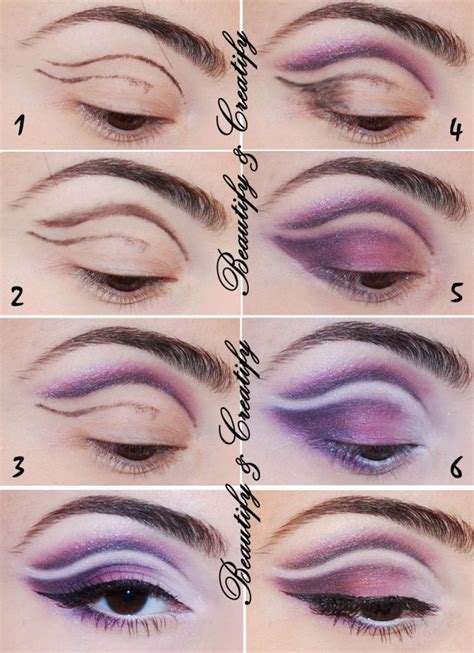
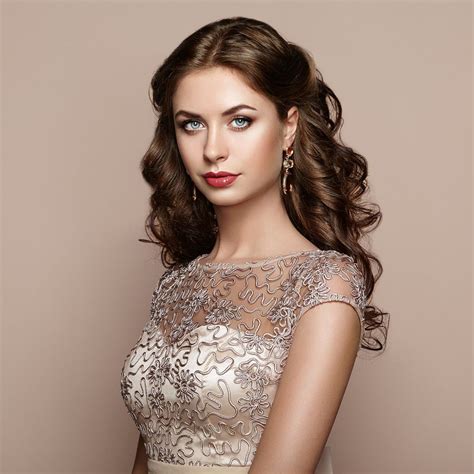
Elegance in makeup artistry often stems from a refined understanding of balance, proportion, and color harmony. It’s about enhancing natural beauty subtly rather than overpowering it. As you practice, you’ll begin to develop a discerning eye for what looks polished, sophisticated, and inherently ‘you’. This involves understanding the interplay of light and shadow, the correct placement of color, and the art of restraint.
Conclusion
Choosing the right makeup workshop and diligently applying its teachings is a transformative journey for any artist. It requires careful research, active participation, and unwavering commitment to practice and self-reflection. By strategically selecting educational opportunities and thoughtfully integrating new techniques, you not only elevate your technical skills but also refine your artistic discernment, leading to truly enhanced and elegant makeup artistry that stands out in the industry.