


How to infuse elegance into a Pro Artist Portfolio layout to truly enhance visual artistry?
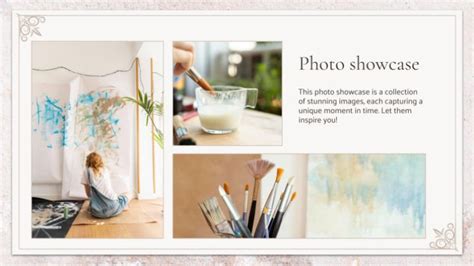
The Power of Elegance in Presenting Your Art
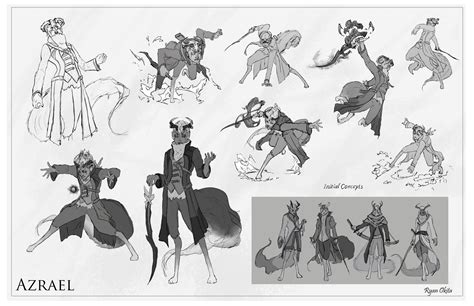
For any professional artist, a portfolio is more than just a collection of work; it’s a curated narrative, a visual statement of your unique voice and skill. To truly stand out, however, it requires an infusion of elegance in its layout. Elegance isn’t about extravagance; it’s about thoughtful design that elevates your art, making it the undeniable star. It’s about creating an experience that captivates and persuades, subtly underscoring the professionalism and sophistication of your craft.
An elegant portfolio layout communicates respect for your audience and, crucially, for your own art. It demonstrates an understanding of presentation, making every piece shine brighter and resonate more deeply. This article will guide you through the principles and practical steps to achieve such a refined aesthetic.
Mastering Minimalism and Negative Space
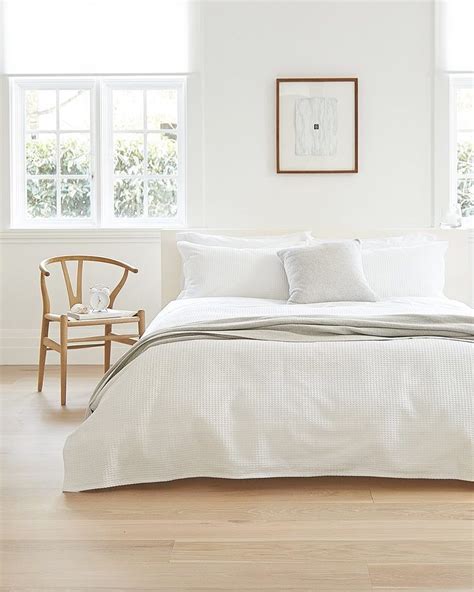
At the heart of elegance lies minimalism. Resist the urge to clutter your portfolio with too many elements or overly decorative backgrounds. Instead, embrace negative space – the empty areas around and between your artworks. Negative space isn’t empty; it’s an active design element that gives your art room to breathe, drawing the eye precisely where you want it. It provides visual relief, preventing cognitive overload and allowing each piece to command attention without competition.
Key Considerations for Minimalism:
- Declutter: Remove anything that doesn’t directly serve to enhance your art.
- Focus on One Piece: Often, presenting one significant piece per page or spread is more impactful than several smaller ones.
- Consistent Spacing: Maintain uniform margins and spacing between elements for a harmonious feel.
Strategic Typography and Color Palettes
Typography and color are often underestimated yet incredibly powerful tools in conveying elegance. The right font can speak volumes about your brand without uttering a word, while a cohesive color palette sets the mood and enhances readability.
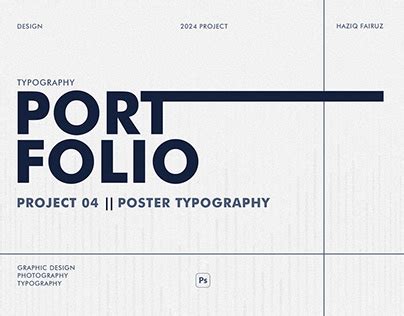
Choosing Your Typeface:
- Readability First: Always prioritize legibility.
- Serif for Tradition, Sans-serif for Modernity: Choose fonts that align with your artistic style. A classic serif (e.g., Garamond, Baskerville) might convey timelessness, while a clean sans-serif (e.g., Montserrat, Lato) can feel contemporary and crisp.
- Limit Fonts: Stick to one or two complementary fonts at most to maintain a polished look.
Crafting Your Color Palette:
An elegant palette is typically restrained. Often, a monochromatic scheme with accents, or a complementary palette with muted tones, works best. Think neutrals like soft grays, warm creams, or deep charcoals as your base, with perhaps one or two subtle accent colors pulled from your artwork itself.
Seamless Navigation and High-Quality Imagery
An elegant portfolio is also user-friendly. Whether digital or physical, navigation should be intuitive, allowing viewers to move effortlessly through your work. Each artwork must be presented with the highest possible quality.
Digital Portfolio Navigation:
- Clear Structure: Use logical categories or project titles.
- Intuitive Menus: Simple, clean menu designs are paramount.
- Responsive Design: Ensure your portfolio looks impeccable on all devices.
Image Quality:
This cannot be stressed enough. High-resolution, professionally lit, and accurately color-corrected images of your artwork are non-negotiable. Blurred, poorly cropped, or color-shifted photos instantly undermine any attempt at elegance and professionalism. Invest in good photography or learn to do it yourself properly.

Curating with Intent and Telling Your Story
Elegance extends beyond mere aesthetics; it’s also about the thoughtful curation of your work. Don’t just show everything; show your best, most relevant, and most cohesive pieces. Each piece you include should contribute to a larger narrative about who you are as an artist.
The Narrative Arc:
- Introduction: Start with a strong statement piece.
- Development: Show the breadth and depth of your skills.
- Climax: Present your most innovative or celebrated works.
- Resolution: Conclude with a memorable piece or a call to action.
Include brief, concise descriptions for each artwork. These don’t need to be lengthy essays, but a few elegant sentences detailing the medium, dimensions, and perhaps a succinct insight into the concept can add significant value without overwhelming the viewer.
Conclusion: Your Portfolio as a Work of Art Itself
Infusing elegance into your professional artist portfolio is an investment in your artistic identity. By focusing on minimalism, thoughtful typography and color, seamless navigation, impeccable image quality, and intentional curation, you transform your portfolio into a sophisticated extension of your artistry. It becomes a testament not only to your creative skill but also to your professionalism and discerning taste. An elegant portfolio doesn’t just display your art; it elevates it, inviting viewers into a world where your visual artistry truly shines.