



What prompts yield detailed, aesthetic reviews for high-end, artisanal products?
In the realm of high-end, artisanal products, a standard review detailing specifications and basic functionality simply doesn’t suffice. These aren’t just items; they are embodiments of craftsmanship, heritage, passion, and often, a unique story. To truly capture their essence, reviews must be as detailed and aesthetically rich as the products themselves. The key to unlocking such compelling narratives lies in the prompts we provide to reviewers.
The Soul of Artisanal Products: Beyond Functionality
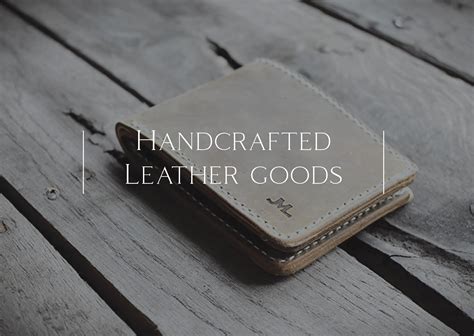
Artisanal goods, whether a handcrafted leather bag, a bespoke piece of jewelry, or a gourmet food item, possess an inherent soul that mass-produced alternatives lack. They are defined by their unique materials, the meticulous process of their creation, the skilled hands that shaped them, and the philosophy of their maker. A review for such a product shouldn’t just state what it is, but rather what it feels like, what story it tells, and how it elevates the user’s experience. This demands a departure from generic review questions towards those that tap into sensory perception, emotional connection, and an appreciation for artistry.
Crafting Prompts for Deep Sensory & Emotional Engagement
To elicit reviews that resonate with the aesthetic and quality of artisanal products, prompts must guide the reviewer to explore beyond the surface. Focus on questions that encourage vivid descriptions and personal interpretations.
Sensory Immersion Prompts:
- “Describe the texture and feel of the material as you hold it. Is it smooth, rough, supple, firm? How does it interact with light?”
- “What olfactory notes (scents) do you detect when first encountering the product? Does it evolve over time?” (Relevant for leather, wood, food, fragrance)
- “Detail any unique sounds the product makes – perhaps the satisfying click of a clasp, the rustle of a fabric, or the gentle hum of a mechanism.”
- “If applicable, describe the taste profile: its initial impression, evolving flavors, and lasting finish.”
- “How do the colors, patterns, or finishes contribute to its overall visual appeal? Are there subtle details that stand out?”
Emotional & Experiential Prompts:
- “How does using this product make you feel? Does it evoke a sense of luxury, comfort, nostalgia, or perhaps inspiration?”
- “Describe a specific moment or scenario where this product truly shone or enhanced your experience.”
- “What aspects of the product’s design or craftsmanship evoke a sense of appreciation for the artisan’s skill?”
Storytelling Through Prompts: Unveiling Craftsmanship and Heritage
Artisanal products often come with a rich backstory – of their origin, the materials, or the maker. Prompts should encourage reviewers to explore and articulate this narrative, even if subtly.
Prompts for Craftsmanship & Origin:
- “Are there any visible signs of the product’s handcrafted nature, such as unique stitching, subtle imperfections that add character, or a distinctive finish?”
- “If you know the origin of the materials, how does that knowledge enhance your perception of the product?”
- “How does the product’s design reflect its heritage or the brand’s philosophy?”
By asking questions that invite the reviewer to become a storyteller, you move beyond mere product features to a deeper understanding of its value. This approach also helps potential customers connect with the product on a more personal level, often the decisive factor for high-end purchases.

Focusing on Aesthetic Appeal and Design Philosophy
For high-end products, aesthetics are not superficial; they are integral to the product’s identity and appeal. Prompts should guide reviewers to analyze and articulate this beauty.
Prompts for Aesthetic Analysis:
- “Elaborate on the overall design aesthetic. Is it minimalist, opulent, rustic, contemporary? How does it communicate its style?”
- “Are there any specific design elements – a particular curve, a choice of hardware, a unique pattern – that particularly captivate you?”
- “How does the product integrate into your personal space or style? Does it stand out as a statement piece, or blend seamlessly?”
Encouraging reviewers to think like a designer or an art critic can elevate their descriptions, providing valuable insights into the product’s visual impact and design intent. This kind of nuanced feedback is gold for both potential buyers and the artisans themselves.
The Power of Specificity and Open-Ended Questions
The most effective prompts are a balance of specific guidance and open-ended freedom. While guiding the reviewer toward particular aspects (e.g., “describe the texture”), they should also allow for personal interpretation and unexpected insights (e.g., “how does it make you feel?”). Avoid yes/no questions or those that can be answered with a single word. Instead, use phrases like “elaborate on,” “describe in detail,” “reflect on,” or “share your experience with.” This encourages a narrative, rather than a checklist.
Conclusion: Elevating Reviews to an Art Form
For high-end, artisanal products, reviews are more than just consumer reports; they are testimonials to art, dedication, and quality. By carefully crafting prompts that delve into sensory details, emotional resonance, craftsmanship stories, and aesthetic philosophy, we can empower reviewers to produce content that is not only informative but also beautiful and deeply engaging. This approach elevates the review process itself, transforming it into an art form that truly honors the products it seeks to describe.