


How to curate Pro Artist Portfolio visuals for elegant display and enhanced artistry?
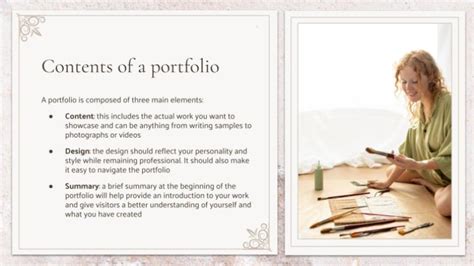
For professional artists, a portfolio isn’t just a collection of work; it’s a strategic visual statement, a narrative crafted to captivate and communicate your unique vision and skill. Curating your portfolio visuals for elegant display goes beyond simply uploading your best pieces; it involves a thoughtful process designed to enhance your artistry and attract the right opportunities. This guide will walk you through the essential steps to transform your raw collection into a polished, professional showcase.
Understanding Your Audience and Goals
Before you even begin selecting pieces, define who you are trying to reach and what you aim to achieve. Are you seeking gallery representation, commissions, teaching positions, or commercial collaborations? Different goals demand different emphasis. A portfolio for a gallery might focus on cohesive series and conceptual depth, while one for commercial clients might highlight versatility, problem-solving skills, and adherence to specific briefs. Knowing your audience helps you tailor your selection and presentation to resonate effectively.
Consider the platforms where your portfolio will live. Is it primarily online, a physical book, or a combination? Each format has its own best practices for visual display and interaction. The initial impact is crucial, so lead with your strongest, most relevant work.

The Art of Selection: Less is More
The biggest mistake many artists make is including too much. A professional portfolio thrives on quality over quantity. Aim for a concise collection of 10-20 truly outstanding pieces that represent your current direction and highest level of skill. Each piece should serve a purpose, demonstrating your mastery, unique voice, or technical prowess. Remove anything that doesn’t meet your highest standards or doesn’t align with your portfolio’s specific goals.
While showing versatility can be beneficial, ensure it doesn’t dilute your artistic identity. If you work in multiple styles or mediums, consider creating specialized sub-portfolios or ensuring your primary portfolio presents a cohesive narrative, perhaps highlighting how your diverse skills contribute to a singular vision.
High-Quality Photography and Presentation
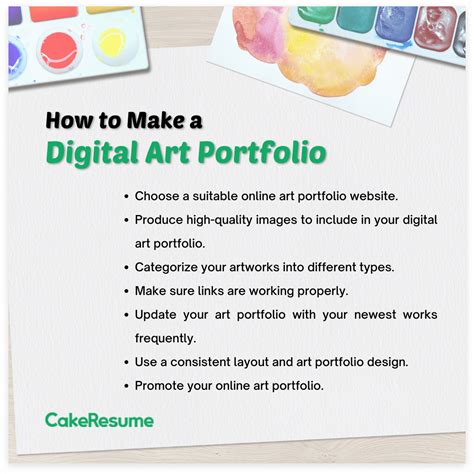
Even the most breathtaking artwork can be undermined by poor photography. Professional, high-resolution images are non-negotiable. Ensure your artwork is well-lit, with accurate color representation and sharp focus. Avoid glare, shadows, or distracting backgrounds. If photographing yourself isn’t your forte, invest in a professional photographer specializing in art documentation.
For digital portfolios, optimize images for web display – large enough to appreciate detail, but compressed to load quickly. Provide contextual information for each piece: title, medium, dimensions, and year. For physical portfolios, choose elegant, durable materials and consider how the layout guides the viewer’s eye through the work. Consistency in presentation elevates the entire collection.
Crafting a Cohesive Narrative
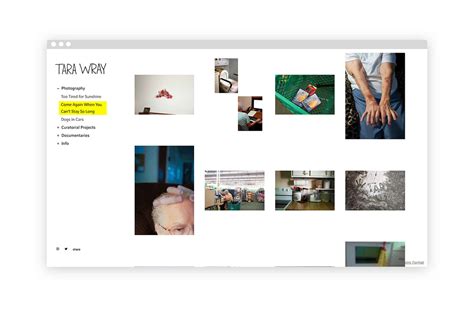
Your portfolio should tell a story. Arrange your pieces in a logical, engaging sequence. This might mean grouping works by series, theme, or even a chronological progression of your artistic development. The flow should feel natural, building a sense of anticipation and demonstrating a thoughtful progression of ideas. Avoid jarring transitions that disrupt the viewing experience.
Maintain consistency in your visual branding and aesthetic across the entire portfolio. This includes your artist statement, biography, and any accompanying text. Ensure your unique artistic voice comes through clearly, not just in individual pieces, but in the overall impression of your curated collection.
Refining and Seeking Feedback
Once you’ve made your selections and organized them, step back. View your portfolio with fresh eyes, perhaps after a break. Be your own harshest critic. Are there any weaker links? Does it truly represent your best work and align with your goals? Then, seek objective feedback from trusted mentors, peers, or art professionals. They can offer valuable perspectives on clarity, impact, and areas for improvement that you might have overlooked.
A professional portfolio is a living document, evolving as your art practice grows. Regularly review and update it to reflect your latest achievements and artistic direction. Continuous refinement ensures your portfolio remains a powerful tool for elegant display and enhanced artistry throughout your career.