



How to curate a diverse art portfolio for enhanced artistry and elegant appeal?
For any professional artist, a portfolio is more than just a collection of work; it’s a powerful narrative of your artistic journey, skills, and vision. While showcasing your signature style is crucial, true professional impact comes from a diverse art portfolio that speaks volumes about your range, adaptability, and depth. Curating such a collection not only enhances your artistry but also imbues your professional presentation with an undeniable elegant appeal.
Beyond Monotony: Why Diversity Matters
A portfolio that features only one style, medium, or subject can inadvertently limit your opportunities. Potential clients, galleries, or collaborators are often looking for artists who can demonstrate versatility and a breadth of understanding. A diverse portfolio signals that you are not a one-trick pony, but rather a dynamic creator capable of tackling different challenges and concepts. It broadens your appeal to a wider audience, opening doors to varied commissions, exhibitions, and partnerships.
Moreover, showcasing diversity reflects your growth as an artist. It tells a story of experimentation, learning, and evolving skill sets. This isn’t about abandoning your core identity, but rather demonstrating the many facets of your creative mind and proving that your artistry is robust and ever-developing.

Defining Diversity in Your Artwork
Diversity in an art portfolio can manifest in several key ways:
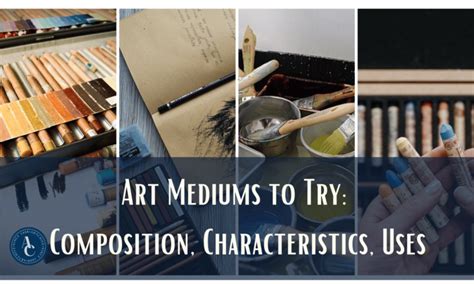
- Mediums: Include pieces across different artistic disciplines such as painting (oils, acrylics, watercolors), drawing (charcoal, pencil, ink), sculpture, digital art, photography, mixed media, or printmaking.
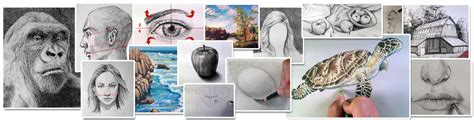
- Subjects: Vary your subject matter from portraits and figures to landscapes, still life, abstract compositions, or conceptual installations.
- Styles & Techniques: Demonstrate a range of artistic approaches – realism, impressionism, abstraction, surrealism, or experimental methods. Show your mastery of different techniques within your chosen mediums.
- Scale & Scope: Present works of varying sizes, from intimate studies to large-scale pieces, showcasing your ability to execute at different magnitudes.
- Conceptual Depth: Include works that explore different themes, narratives, or emotional tones, indicating intellectual curiosity and thematic range.
Strategies for Building a Broad Artistic Repertoire
Building a diverse portfolio doesn’t happen overnight; it requires intentional effort. Consider undertaking specific projects or series designed to push your boundaries. If you primarily paint portraits, challenge yourself with a landscape series or an abstract exploration of color. Participate in workshops outside your comfort zone, or set personal goals to experiment with a new medium each year.
Revisit older works and see if there are ways to reinterpret themes or subjects using new techniques. Collaboration with other artists can also expose you to different approaches and expand your creative vocabulary. The goal is to consistently learn, experiment, and integrate new skills and perspectives into your artistic practice, allowing your portfolio to naturally evolve and diversify.
Curating for Elegant Appeal and Professional Impact
A diverse portfolio, while rich in content, must also be elegantly presented to make a strong professional impression. This means applying a critical eye to your selection process:
- Quality Over Quantity: Only include your strongest, most polished pieces, regardless of diversity. A diverse collection of mediocre work will not serve you well.
- Cohesion & Flow: Even with diverse pieces, aim for a visual narrative that flows naturally. Consider how one piece transitions to the next, creating a harmonious viewing experience. Group similar works or create thematic sections to guide the viewer.
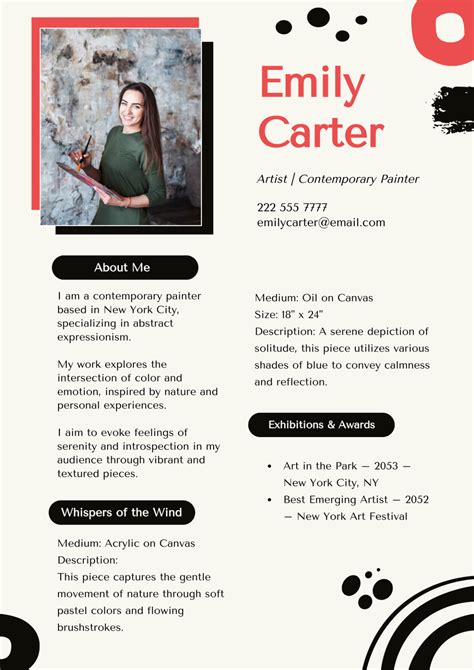
- Context is Key: For highly diverse pieces, provide brief captions or descriptions that explain your intent, process, or the challenges you overcame. This adds depth and understanding.
- Professional Documentation: Ensure all pieces are professionally photographed or scanned, with consistent lighting, color accuracy, and high resolution.
Practical Tips for Portfolio Selection and Presentation
To ensure your portfolio achieves maximum impact, seek objective feedback from trusted mentors, peers, or art professionals. They can offer insights into what works and what might be confusing or detracting. Don’t be afraid to prune your selection ruthlessly; sometimes less is truly more.
Tailor your portfolio for specific opportunities. While you might have a master diverse portfolio, an application for a landscape exhibition might require a subset emphasizing your landscape work, still demonstrating variety within that niche. Finally, whether presenting digitally or physically, prioritize a clean, uncluttered layout that allows your artwork to shine without distraction. Ensure easy navigation for digital formats and high-quality presentation materials for physical ones.

By intentionally curating a diverse art portfolio, you not only showcase the full spectrum of your artistic capabilities but also elevate your professional standing. It’s a testament to your adaptability, continuous learning, and profound commitment to your craft, ultimately enhancing your artistry and ensuring an elegant, captivating appeal to all who encounter your work.