How to effectively demonstrate intricate artistry techniques for elegant, practical application?
Mastering the Art of Explanation in Beauty
In the dynamic world of beauty, possessing intricate artistry skills is one thing; effectively demonstrating them for practical, elegant application is another. Whether you’re a professional makeup artist, a hair stylist, or a nail technician, the challenge lies in translating complex movements and product choices into understandable, replicable steps for your audience. This article delves into strategies that transform a mere display of skill into an empowering educational experience.
Key Principles for Effective Demonstration
Break It Down: Simplification is Key
The first rule of demonstrating intricate techniques is to deconstruct them. What appears as a seamless stroke to you might be a dizzying blur to an observer. Break down each complex design into its most basic, sequential components. Use simple language, avoid jargon where possible, and explain the ‘what’ before the ‘how’.
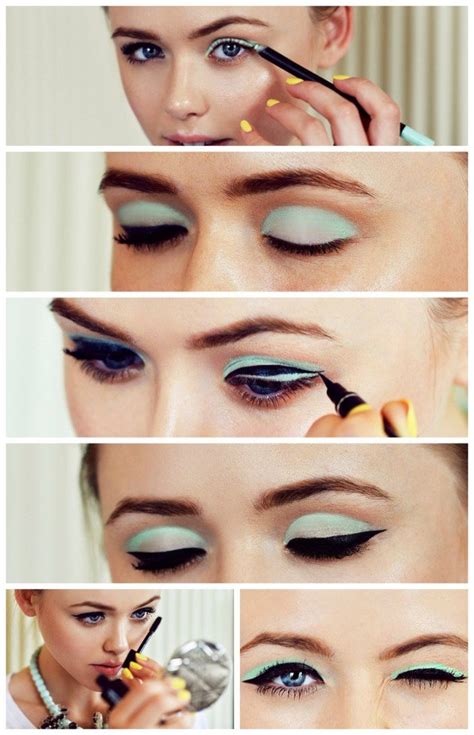
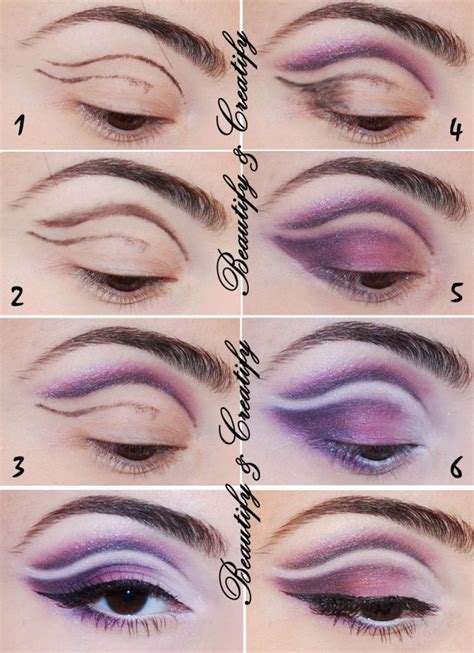
For instance, when teaching a complex cut-crease eyeshadow, don’t just apply it. Explain: “First, we establish the crease line using a light, matte shade… then, we clean up the lid with concealer to create a crisp edge…” Each step should be a manageable chunk of information.
Leverage Visual Power: Show, Don’t Just Tell
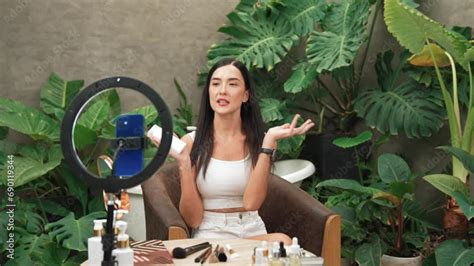
Beauty is inherently visual. Your demonstration must prioritize clarity through visuals. Utilize close-up shots, multiple camera angles (if filming), and even slow-motion replays for crucial movements. Point out specific areas, tools, and product applications.
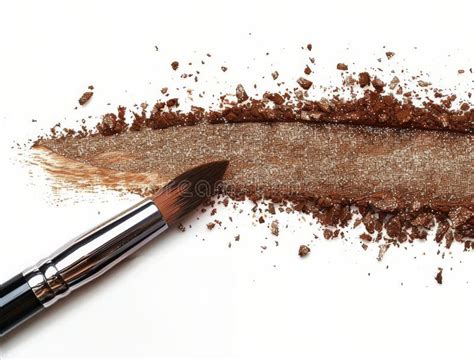
Consider using contrasting colors during practice or mapping to highlight key areas, like drawing the initial outline of a winged liner with a distinct, lighter pencil before filling it in with liquid liner. Show the texture, the amount of product, and the precise angle of your tools.
Explain the ‘Why’: Purpose Beyond Procedure
Understanding the ‘why’ behind a technique elevates a demonstration from mere copying to true understanding. Why use a specific brush for blending? Why apply powder before liquid foundation in some cases? Why choose a particular hair sectioning pattern?
By explaining the purpose behind each stroke, product choice, or placement, you empower your audience to adapt the technique to different face shapes, skin types, or hair textures, making it truly practical and elegant for their individual needs.
Pace and Practice: Repetition for Retention
Intricate techniques require patience. Demonstrate steps slowly, pausing to allow your audience to process or even replicate if it’s an interactive session. Repeat crucial steps or tricky movements from different angles. Encourage questions and provide immediate, constructive feedback.
Structuring Your Demonstration for Impact
Preparation is Paramount
Before you even begin, meticulously prepare. Have all your tools and products organized and within easy reach. Practice your demonstration, anticipate potential pitfalls, and formulate clear, concise explanations for each step. A well-prepared demonstrator exudes confidence and clarity.
Practical Relevance: From Runway to Real Life
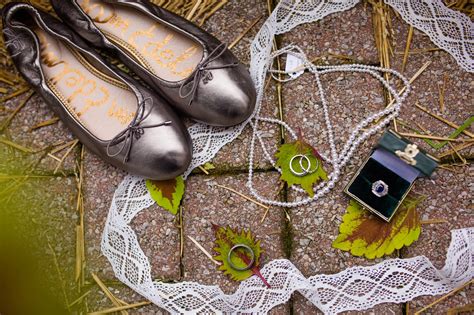
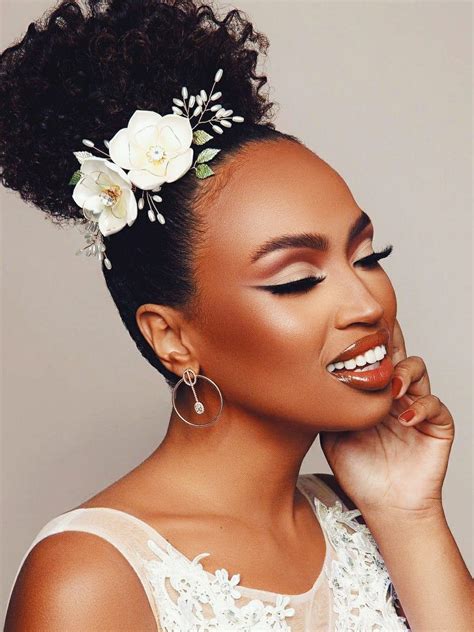
A key aspect of practical application is showing how an elaborate technique can be adapted. Demonstrate a full, dramatic look, then immediately follow up with a simplified, toned-down version suitable for everyday elegance. For example, show an intricate bridal updo, then simplify elements for a chic daily style. This helps the audience envision the technique’s versatility.
Examples in Action
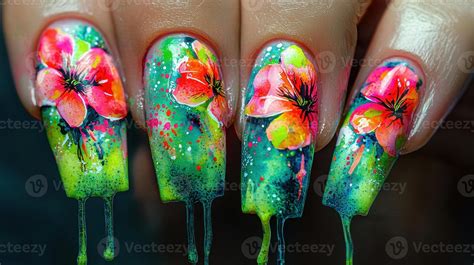
Consider intricate nail art. Don’t just show the finished product. Guide through the base coat application, the precise placement of each tiny gem, the delicate freehand painting, and finally, the top coat for longevity. For intricate braiding, break down the three-strand components, tension control, and how to seamlessly add extensions.
The Impact of Clear Artistry
Effectively demonstrating intricate artistry techniques is more than just showing off skills; it’s about education and empowerment. By breaking down complexity, leveraging visuals, explaining purpose, and focusing on practical application, you equip your audience with the knowledge and confidence to recreate elegant looks themselves. This not only showcases your expertise but also builds a more skilled and confident beauty community.