

What review prompts best capture artisanal quality & elegant design feedback?
The Nuance of Reviewing Artisanal and Elegant Products
Capturing meaningful feedback on products celebrated for their artisanal quality and elegant design presents a unique challenge. Unlike functional items where performance metrics dominate, these products appeal to a deeper sense of appreciation for craftsmanship, aesthetics, and user experience. Standard review prompts often fall short, failing to draw out the specific details that define their true value.
To truly understand customer satisfaction and areas for improvement, businesses need to move beyond generic questions like “Are you satisfied?” and instead craft prompts that encourage thoughtful reflection on the intricate details. The goal is to guide reviewers toward articulating their perceptions of beauty, durability, uniqueness, and the overall sensory experience.
Unlocking Feedback on Artisanal Quality
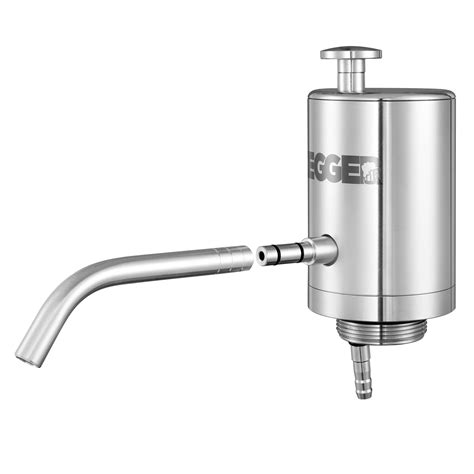
Artisanal quality speaks to the craftsmanship, materials, and the human touch involved in a product’s creation. Prompts should encourage reviewers to notice and describe these often subtle attributes. Here are some effective questions:
- Craftsmanship & Construction: “How would you describe the craftsmanship and attention to detail in this product? Are there specific elements that stand out?”
- Material Quality: “Please comment on the quality and feel of the materials used. Do they meet your expectations for a handcrafted item?”
- Uniqueness & Character: “Does this product possess a unique character or story that resonates with you? How does it differ from mass-produced alternatives?”
- Durability & Longevity: “Based on your initial impressions, how durable does this product feel? Do you anticipate it standing the test of time?”
- Sensory Experience: “Describe the tactile experience of handling or using this product. Does it feel substantial, refined, or unique in your hands?”
Eliciting Responses on Elegant Design
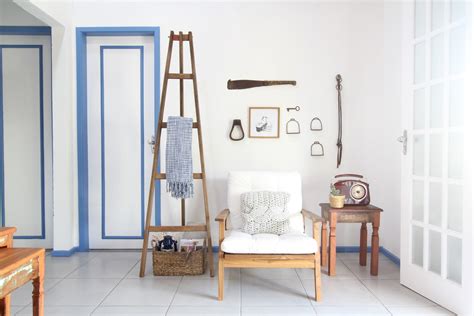
Elegant design goes beyond mere aesthetics; it encompasses form, function, proportion, and the emotional response it evokes. Effective prompts should encourage a holistic view of the design.
- Visual Aesthetics: “What aspects of the product’s visual design do you find most appealing or striking?”
- Form & Proportion: “How would you describe the balance and proportion of the design? Does it feel harmonious or thoughtfully composed?”
- Subtle Details: “Are there any particular design details (e.g., texture, finish, joinery) that enhance its elegance or sophistication?”
- Emotional Impact: “How does the design make you feel when you look at or interact with the product? Does it evoke a sense of calm, luxury, or inspiration?”
- Integration & Context: “Does the design seamlessly fit into your environment or lifestyle? How does it complement other items?”

Crafting Prompts for Depth, Not Leading Questions
The key is to encourage detailed, personal narratives without dictating the answer. Open-ended questions are paramount, but they can be paired with specific rating scales for different attributes (e.g., 1-5 for “Craftsmanship Detail”).
Avoid highly subjective or leading questions. Instead of “Don’t you love the exquisite hand-stitched leather?”, ask “Please describe your impressions of the leather quality and stitching.” Providing a text box for free-form comments after specific prompts can also capture unforeseen insights.

Best Practices for Implementing Review Prompts
To maximize the effectiveness of your review prompts for artisanal and elegant products, consider these best practices:
- Test and Iterate: Pilot your prompts with a small group of users before a full rollout. Gather feedback on the prompts themselves.
- Combine Types: Use a mix of open-ended questions, specific attribute ratings, and perhaps even photo/video upload options to enrich responses.
- Focus on Specific Attributes: Break down ‘artisanal quality’ and ‘elegant design’ into their constituent parts (materials, finish, proportion, etc.) rather than asking one broad question.
- Provide Context: Briefly explain why you’re asking about these specific aspects to help reviewers understand the importance of their detailed feedback.
- Analyze Qualitative Data: Be prepared to dedicate resources to thoroughly analyze the rich, qualitative data these prompts will generate.
By thoughtfully designing review prompts, businesses can unlock a wealth of invaluable insights, helping them not only to improve their products but also to better articulate and celebrate the unique qualities that set artisanal and elegantly designed items apart.