

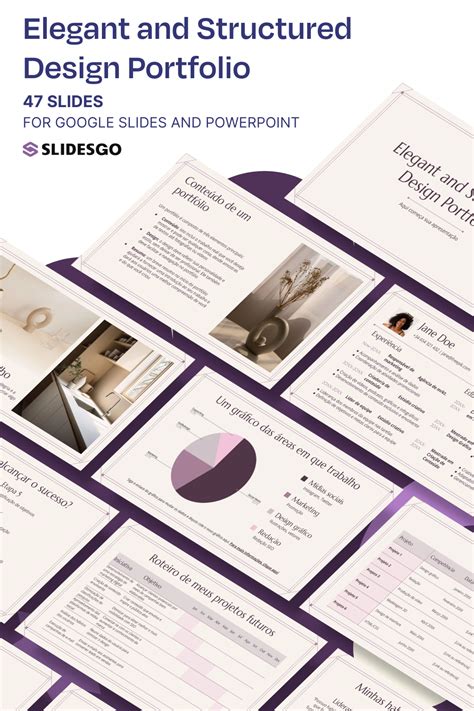
How to curate an art portfolio for elegant visual impact and enhanced professional appeal?
In the competitive world of art and creative industries, an art portfolio isn’t just a collection of your work; it’s a powerful narrative, a curated glimpse into your artistic soul, and often your first impression on potential clients, galleries, or collaborators. A truly elegant portfolio goes beyond showcasing skill—it communicates your unique vision, professionalism, and potential, creating a lasting visual impact and significantly enhancing your professional appeal.
Defining Your Artistic Narrative
Before you even begin selecting pieces, ask yourself: what story do you want your portfolio to tell? A compelling portfolio has a clear, consistent narrative or theme. Whether you specialize in a particular medium, explore specific concepts, or demonstrate a distinctive style, your portfolio should articulate this vision cohesively. This clarity helps viewers understand your artistic identity and trajectory, making your work more memorable.
The Art of Selection: Quality Over Quantity
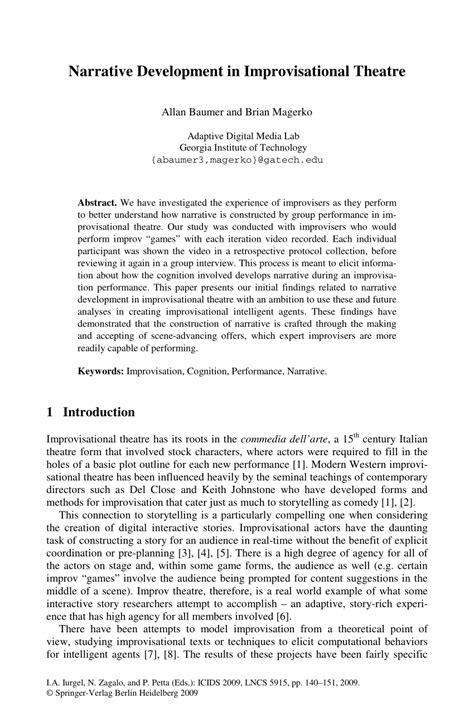
This is perhaps the most crucial step: ruthless curation. Resist the urge to include every piece you’ve ever created. Instead, focus on your absolute strongest, most representative works—typically 10-20 pieces. Each piece should demonstrate your technical proficiency, creative problem-solving, and unique aesthetic. Select works that are complete, well-executed, and relevant to the opportunities you’re pursuing. If a piece doesn’t elevate the overall impression, it’s better left out. Remember, the weakest piece in your portfolio can overshadow the strongest.

Crafting a Cohesive Visual Experience
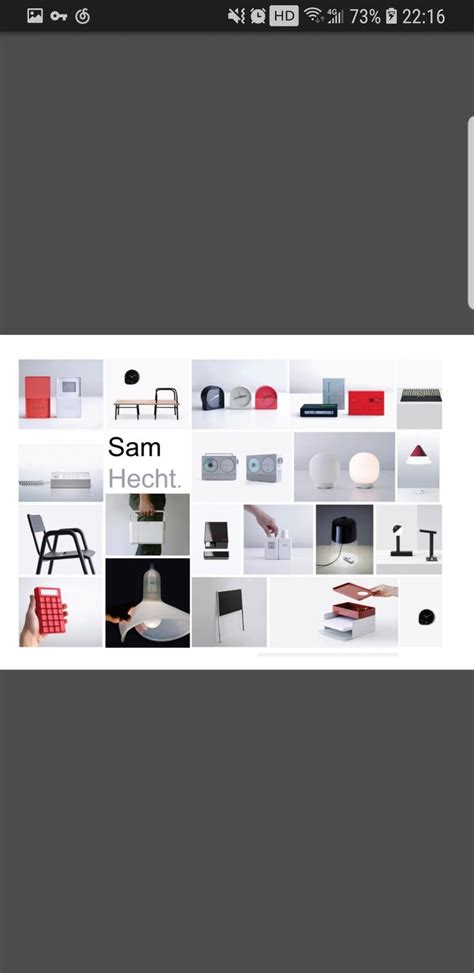
Presentation is paramount. For digital portfolios, ensure high-resolution images, consistent lighting, and professional photography of your artwork. Crop images cleanly and maintain a uniform aesthetic throughout your presentation. For physical portfolios, choose a high-quality binder or case that complements your style. Arrange your pieces in a logical sequence that tells a story or highlights your range effectively. Consider starting and ending with your strongest pieces to create a powerful impression. A clean, uncluttered layout allows your art to breathe and speak for itself, reflecting a professional and refined approach.
Context and Professionalism: Beyond the Art
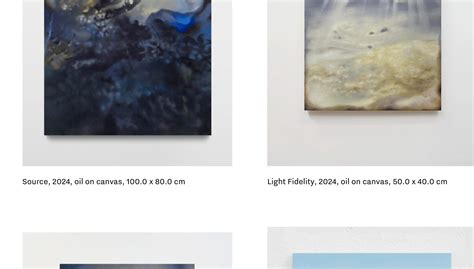
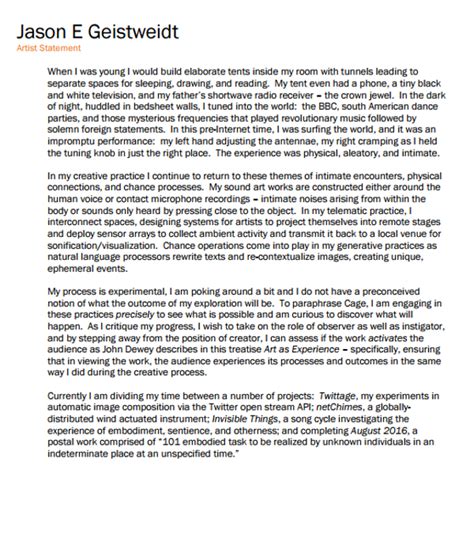
Your portfolio is more than just images; it’s a professional document. Include a concise artist statement that provides insight into your process, inspirations, and artistic philosophy. Each artwork should have a clear title, medium, dimensions, and date. Provide accurate and easily accessible contact information. Furthermore, always tailor your portfolio to the specific opportunity or audience. A portfolio for a gallery submission might differ slightly from one for a freelance illustration gig. Showing you understand the context demonstrates adaptability and professionalism.
Review, Refine, and Revisit
Once you’ve assembled your portfolio, step back and view it with fresh eyes, or better yet, seek feedback from trusted mentors, peers, or industry professionals. An outside perspective can reveal blind spots or suggest improvements you might have overlooked. Be open to constructive criticism and iterate on your selections and presentation. A portfolio is a living document; it should evolve as your artistic practice grows and as new opportunities arise. Regularly update it with your latest and strongest work to ensure it always reflects your current capabilities and aspirations.

Curating an art portfolio for elegant visual impact and enhanced professional appeal is an art form in itself. It requires self-awareness, meticulous selection, thoughtful presentation, and a commitment to continuous refinement. By investing time and care into crafting this essential tool, you not only showcase your talent but also articulate your unique value proposition, opening doors to new and exciting professional avenues in the art world.