



How to select makeup tutorials for my specific skin type, refining elegance, not chasing trends?

Embrace Your Unique Canvas: Why Skin Type Dictates Your Best Makeup
In a world saturated with fleeting beauty trends, the pursuit of genuine elegance often feels like a lost art. We’re bombarded with tutorials showcasing the latest looks, but how many truly cater to *your* unique canvas? The secret to refining your elegance, rather than simply chasing trends, lies in understanding and honoring your specific skin type. Selecting makeup tutorials that align with your skin’s needs not only ensures a flawless application but also contributes to your skin’s long-term health and radiance. It’s about enhancing your natural beauty, not masking it.
Deciphering Your Skin Type: The Foundation of Flawless Makeup
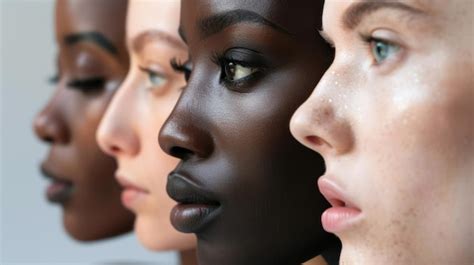
Before you even think about brushes or palettes, identify your skin type. This crucial step guides your product choices, application techniques, and ultimately, which tutorials will be most beneficial.
- Oily Skin: Characterized by excess sebum production, leading to a shiny complexion, enlarged pores, and a propensity for breakouts. Tutorials should focus on mattifying primers, oil-free foundations, setting powders, and long-wearing techniques to combat shine and creasing.
- Dry Skin: Often feels tight, flaky, and appears dull. It lacks natural oils and can show fine lines more prominently. Look for tutorials emphasizing hydrating primers, dewy foundations, cream blushes, and rich, moisturizing formulas that won’t cling to dry patches or exacerbate flakiness.
- Combination Skin: A mix of oily and dry areas, typically an oily T-zone and drier cheeks. Tutorials that offer targeted application – mattifying in some areas, hydrating in others – are your best bet. Adaptability is key.
- Normal Skin: Balanced, neither too oily nor too dry, with minimal concerns. While you have more flexibility, tutorials focusing on enhancing natural radiance and healthy skin are ideal.
- Sensitive Skin: Prone to redness, irritation, and allergic reactions. Seek out tutorials that recommend hypoallergenic products, gentle application techniques, and emphasize patch testing. Simplicity and a focus on calming ingredients are paramount.
Beyond Type: Addressing Specific Skin Concerns
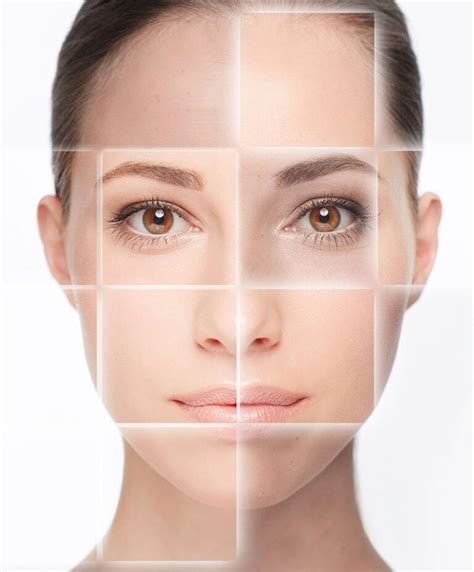
Your skin journey doesn’t end with its type. Consider additional concerns that influence your makeup choices:
- Acne-Prone Skin: Requires non-comedogenic products and gentle application to avoid irritating blemishes. Look for tutorials that discuss color correction for redness and discreet coverage.
- Mature Skin: Benefits from hydrating, luminous formulas that don’t settle into fine lines or wrinkles. Avoid heavy powders and harsh contouring. Tutorials for mature skin often focus on lifting techniques and a soft, diffused finish.
- Hyperpigmentation/Redness: Focus on tutorials that teach effective color correction (green for redness, peach/orange for dark spots) before foundation application, creating an even base.
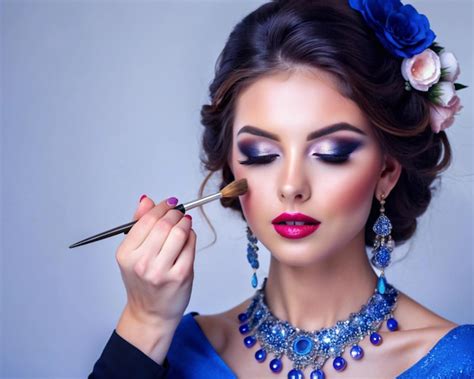
Refining Elegance: Prioritizing Technique Over Trend
Elegance is timeless; trends are transient. When selecting tutorials, shift your focus from simply replicating a look to mastering adaptable techniques. A perfectly blended eyeshadow or a flawlessly even skin tone will always be chic, regardless of the season’s “it” color. Seek out creators who emphasize:
- Skin Preparation: How to properly cleanse, moisturize, and prime for your skin type.
- Application Skills: Brush control, blending techniques, and strategic product placement.
- Color Theory: Understanding how colors work with your undertone and to correct concerns.
- Longevity: Tips for making your makeup last without looking heavy or cakey.
Instead of chasing a “baddie” or “soft glam” trend, learn the underlying skills that allow you to adapt any style to suit your face and skin gracefully.
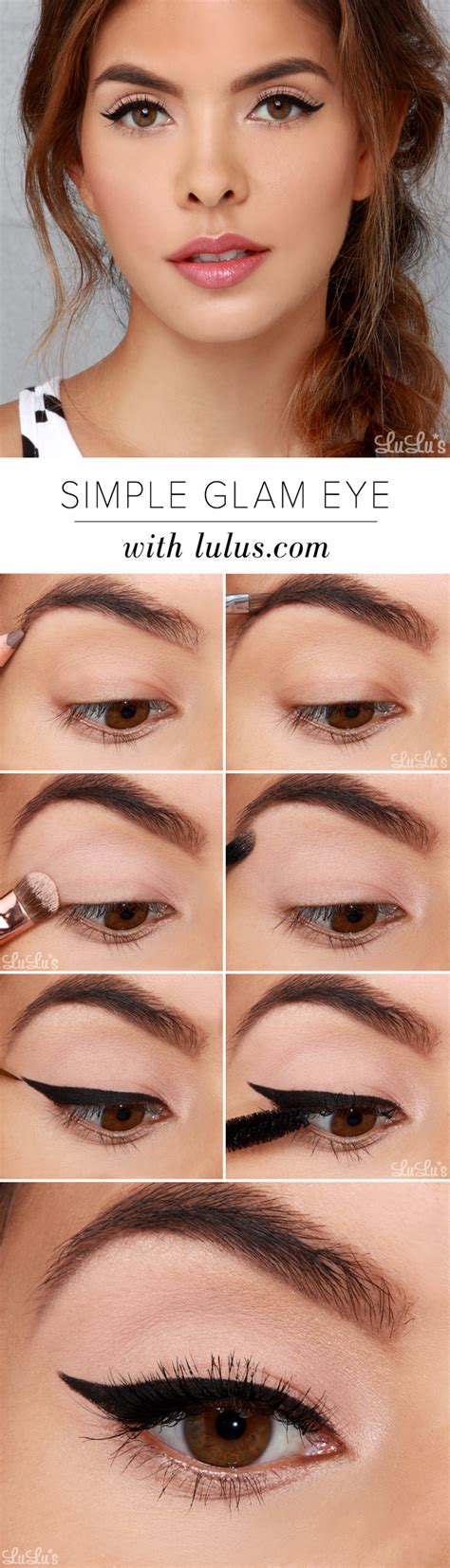
How to Effectively Select Tutorials for a Personalized Approach
Now that you know what to look for, here’s how to navigate the vast world of online tutorials:
- Use Specific Search Terms: Don’t just type “makeup tutorial.” Instead, try “makeup for oily skin over 40” or “dewy foundation routine dry sensitive skin.”
- Prioritize Skin-Focused Creators: Seek out makeup artists or beauty gurus who consistently discuss skin prep, skin types, and product ingredients. Their advice is often more grounded and beneficial.
- Watch for Adaptability: Can the techniques shown be translated to different product choices or color palettes? A good tutorial teaches principles, not just prescriptive steps.
- Read Reviews and Comments: Other viewers with similar skin types often share their experiences, confirming whether a tutorial is truly effective for specific needs.
- Look for “Before & After” on Similar Skin: Does the creator or model have a similar skin type and concerns as you? This is a strong indicator of relevance.

Cultivating Your Signature Look
Ultimately, selecting the right makeup tutorials is about building a personalized beauty regimen that celebrates your individuality. By understanding your skin type and concerns, focusing on timeless techniques, and discerningly choosing your educational resources, you’ll move beyond the noise of trends. You’ll cultivate an elegant, refined look that truly enhances who you are, making every application a step towards confidence and self-expression, rather than just keeping up with the latest fad.