


How to solicit detailed customer reviews highlighting product artistry & exquisite craftsmanship?

The Imperative of Detailed Reviews for Artisanal Products
For brands that pride themselves on exquisite craftsmanship and distinctive artistry, generic five-star ratings often fall short. They fail to capture the nuances, the dedication, and the unique story embedded within each creation. To truly convey the value of your products, you need customer reviews that delve into the details—the intricate stitching, the hand-finished woodwork, the unique material properties, or the artistic vision brought to life. Such detailed feedback not only validates your brand’s commitment to quality but also serves as compelling social proof for discerning buyers.
Soliciting these specific insights requires a more thoughtful approach than simply sending a post-purchase email. It involves guiding your customers, empowering them to articulate what makes your product truly special, and creating an environment where their observations about artistry and craftsmanship feel valued.

Educating Customers on What to Observe and Appreciate
Often, customers might appreciate the beauty of an item but lack the vocabulary or awareness to pinpoint *why* it’s beautiful or well-made. Your first step in soliciting detailed reviews is to educate them, subtly. Highlight the unique aspects of your product’s creation, materials, and finishing through your product descriptions, unboxing experiences, and marketing content. Provide context for the specific techniques used, the origin of materials, or the design philosophy behind a piece. This pre-review education equips them with the lens through which to view and describe their purchase.
Consider including a small card with the product that briefly outlines the ‘artistry points’—e.g., “Notice the hand-sanded finish on this teak wood,” or “Observe the precision of the hand-embroidered details.” This primes their perception and encourages them to actively look for these elements when they interact with the product.
Strategic Timing and Personalized Invitation
When you ask for a review is almost as important as how you ask. For products that require appreciation over time, such as furniture or handcrafted jewelry, allow sufficient time for the customer to live with and experience the item. Sending a review request too soon might result in superficial feedback. Aim for a sweet spot—typically a few weeks to a month after delivery—when the initial excitement has settled, and the product has been integrated into their life.
Personalization is key. Avoid generic “Rate Your Purchase” emails. Instead, reference the specific product they bought and express genuine interest in their experience with its unique features. “We hope you’re enjoying your [Product Name]! We’re particularly proud of the [Specific Craftsmanship Detail] in this piece and would love to hear your thoughts.”

Crafting Specific Prompts for In-Depth Insights
The most effective way to elicit detailed reviews is to ask specific, open-ended questions that guide the customer’s thoughts towards artistry and craftsmanship. Move beyond binary “yes/no” questions or simple star ratings. Provide prompts like:
- “What specific design elements or unique features of the [Product Name] stood out to you?”
- “How did the quality of the materials or the finishing details meet (or exceed) your expectations?”
- “Could you describe how the craftsmanship of this piece contributes to its overall aesthetic or functionality?”
- “What sensory details (e.g., texture, scent, visual appeal) did you particularly appreciate about the product?”
You can integrate these questions directly into your review form or email, perhaps presenting them as a short optional survey following the star rating. Make it clear that detailed responses are highly valued.
Showcasing Exemplary Reviews and Offering Thoughtful Incentives
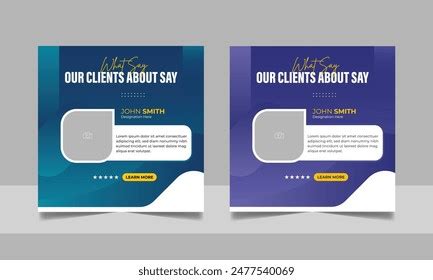
To inspire future reviewers, highlight existing detailed customer testimonials on your website, social media, or in your review request emails. When potential reviewers see examples of the kind of feedback you’re looking for, they’re more likely to provide similar quality. Feature snippets that specifically mention “the perfect dovetail joints” or “the hand-painted flora that feels so alive.”
While direct payment for reviews is unethical, offering a thoughtful incentive can encourage participation. This could be entry into a draw for a gift card, a small discount on a future purchase, or even a personalized thank-you note and exclusive content. Frame the incentive as appreciation for their time and valuable insights, not as payment for a positive review. The goal is to encourage thoughtful, honest feedback, not merely a high rating.
Leveraging the Right Platforms and Engaging with Feedback
Choose review platforms that allow for rich text formatting, the inclusion of photos, and ample space for customers to write detailed accounts. An integrated review system on your own website often provides the most control over the user experience and the types of questions you can ask. Encourage customers to upload their own photos or videos, which can visually demonstrate the artistry they appreciate.
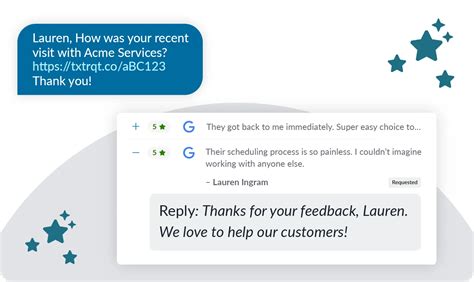
Finally, actively engage with the reviews you receive. Respond to detailed feedback, thanking customers for their specific observations about craftsmanship or design. This not only shows appreciation but also reinforces to future reviewers that their detailed efforts are noticed and valued by your brand. Publicly acknowledging and celebrating these detailed reviews fosters a community that values and articulates artistry.
Cultivating a Culture of Appreciation
Soliciting detailed reviews about product artistry and exquisite craftsmanship is an ongoing journey of customer education, thoughtful communication, and genuine appreciation. By guiding your customers to notice and articulate the unique qualities of your creations, you transform them into advocates who can eloquently communicate your brand’s commitment to excellence. This rich, authentic feedback not only validates your hard work but also builds a powerful narrative that resonates deeply with potential buyers, distinguishing your brand in a crowded market.