
How do I translate workshop artistry into a truly enhanced, elegantly defined personal style?
Bridging the Gap: From Classroom Techniques to Personal Expression
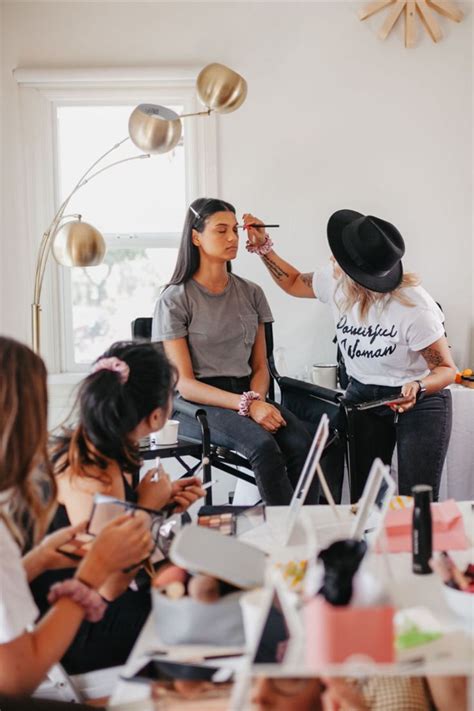
Attending a makeup workshop is an exhilarating experience. You’re exposed to professional techniques, innovative products, and expert insights that can transform your understanding of beauty. However, the real challenge often begins once the class is over: how do you take those amazing, often dramatic looks and translate them into a personal style that feels authentic, achievable, and elegant for your everyday life?
1. Master the Fundamentals, Then Adapt
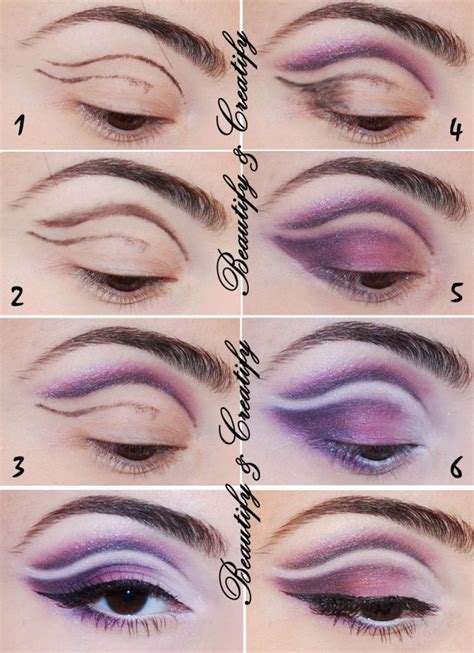
The core of any workshop lies in its fundamental techniques – blending, contouring, highlighting, color theory. Before you try to replicate a full workshop look, ensure you deeply understand these basics. Practice them on your own face. Pay attention to how different brush strokes or product placements react to your unique features. Once you’re confident with the building blocks, you can begin to adapt them. For instance, a dramatic cut crease from a workshop might become a softer, smoky winged liner for your personal style.
2. Know Your Canvas: Personal Features & Preferences
A professional model’s face in a workshop is a blank slate; your face tells a story. Take time to understand your own bone structure, eye shape, skin tone, and texture. What colors truly make your eyes pop? Where does your face naturally shadow or catch light? What level of coverage feels comfortable for you? Your personal style should enhance your natural beauty, not mask it. Experiment with the techniques learned, adjusting intensity, placement, and product type to suit your individual needs and comfort level.
3. Curate Your Kit Wisely
Workshops often introduce you to a vast array of products. It’s easy to get overwhelmed or feel like you need everything. Instead, focus on building a curated kit that serves your personal style. Invest in high-quality staples that work for your skin type and preferred aesthetic. Do you lean towards natural, glowing skin or full glam? Your product choices should reflect this. Don’t be afraid to mix high-end with drugstore gems, as long as they deliver the results you desire for your signature look.
4. Practice Makes Perfect (and Personal)
Consistency is key. Dedicate time each week to practicing new techniques. Try out different variations of a look you learned. Use natural light to see how your makeup looks in various settings. Take photos from different angles to analyze and refine. The more you practice, the more intuitive the application becomes, and the more you’ll develop muscle memory that allows for effortless execution of your chosen style.
5. Embrace Your Signature Style
Ultimately, translation isn’t about replication; it’s about evolution. Your personal style should be a reflection of who you are, how you feel, and the image you wish to project. Don’t be afraid to develop a ‘signature’ element – perhaps a particular lip color, a unique brow shape, or a specific way you apply blush. This signature adds character and consistency to your look, making it recognizably ‘you’. Confidence in your makeup application comes from understanding, practice, and a genuine connection to your aesthetic choices.
Conclusion: Your Face, Your Art
Translating workshop artistry into a truly enhanced, elegantly defined personal style is a journey of self-discovery and creative refinement. It involves understanding foundational techniques, adapting them to your unique features, curating a functional kit, and committing to consistent practice. Embrace the process, trust your instincts, and allow the artistry you’ve learned to blossom into a beautiful, personalized expression of your individuality.