


How to elegantly curate a pro artist portfolio for maximum impact?

The Blueprint for an Unforgettable Showcase
In the competitive world of professional art, your portfolio isn’t just a collection of your work—it’s your primary ambassador, a meticulously crafted narrative of your artistic journey and capabilities. An elegantly curated portfolio has the power to transcend mere display, captivating gallerists, collectors, and clients alike, and ultimately opening doors to new opportunities. It’s about presenting your vision with clarity, confidence, and undeniable impact.
Define Your Narrative and Audience
Before you even begin selecting pieces, pause to consider your objective. Are you aiming for gallery representation, commissions, artist residencies, or teaching positions? Each goal may require a slightly different emphasis. Similarly, identify your target audience. A portfolio for a contemporary art gallery might differ subtly from one presented to a commercial client seeking illustration work. Understanding your narrative—what story you want your art to tell—and who you’re telling it to is the foundational step in effective curation.

The Art of Selection: Quality Over Quantity
This is arguably the most critical stage. Resist the urge to include every piece you’ve ever created. Instead, focus on showcasing only your strongest, most cohesive, and most relevant work. A general rule of thumb is to select 10-20 exceptional pieces that represent your current artistic direction and technical prowess. Look for common threads, stylistic consistency, or a clear evolution that speaks to your unique voice. Each piece should be able to stand on its own while also contributing to the overall strength of the collection.
Ensure that the chosen works highlight your versatility within your chosen style, or demonstrate mastery in a specific medium. If you’re experimenting with new styles, consider creating separate, tailored portfolios rather than mixing disparate bodies of work, which can dilute your artistic statement.
Impeccable Presentation: Details Matter
Once you’ve meticulously selected your pieces, their presentation must be flawless. For physical artworks, invest in high-quality professional photography or scans. Poor lighting, blurry images, or distracting backgrounds can undermine even the most brilliant artwork. For digital art, ensure your files are optimized for web viewing while retaining sharp detail and accurate color representation.
Each artwork in your portfolio should be accompanied by clear, concise, and professional information: title, medium, dimensions (height x width x depth, if applicable), and year of creation. Consider including a brief, compelling description or concept statement for each piece if it adds significant value or context, but avoid over-explaining. Your artwork should speak primarily for itself.
Crafting Your Supporting Documents
Beyond the artwork itself, your portfolio should include vital supporting documents. A compelling artist statement (150-250 words) should articulate your artistic vision, influences, and themes, providing context for your work. Your artist biography (a short, factual summary of your career) and a professional Curriculum Vitae (CV) or resume detailing exhibitions, awards, education, and residencies are also essential. Always ensure your contact information is easily accessible and up-to-date.

Choosing the Right Platform
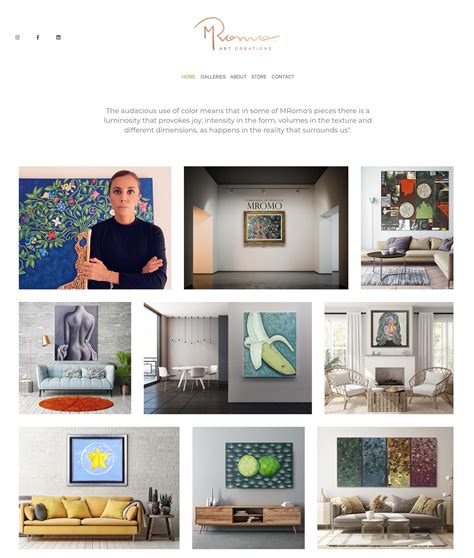
Today, a professional artist typically needs both a strong online presence and potentially a polished physical or PDF version of their portfolio. For online, a dedicated artist website is paramount. Platforms like Squarespace, Artweb, or custom-built sites offer elegant templates to showcase your work beautifully. Ensure your site is mobile-responsive, easy to navigate, and loads quickly. Social media platforms can also serve as supplementary showcases, but your website should always be the central hub.
For specific applications or face-to-face meetings, a well-designed PDF portfolio can be invaluable. This allows for curated selection and arrangement tailored to a particular opportunity. For physical portfolios, choose elegant, durable binders and high-quality prints that accurately reflect your original work.
The Iterative Process: Refine and Seek Feedback
A portfolio is rarely a ‘one and done’ project. It’s an evolving document that should be regularly reviewed and updated. After creating your initial portfolio, step away for a few days, then revisit it with fresh eyes. Better yet, seek constructive feedback from trusted mentors, fellow artists, or industry professionals. They can offer invaluable insights into clarity, impact, and areas for improvement. Be open to criticism and use it to refine your presentation.

Conclusion: Your Art, Amplified
Curating a professional artist portfolio for maximum impact is an art in itself. It requires strategic thinking, meticulous selection, impeccable presentation, and a deep understanding of your artistic identity and goals. By investing time and effort into creating an elegant, compelling, and tailored portfolio, you transform a simple collection of work into a powerful statement that resonates with your audience and propels your artistic career to new heights.