




How to guide reviews for unique, handcrafted items to highlight design, materials & artistry?

Beyond the Ordinary: Crafting Reviews for Handcrafted Masterpieces
In a world saturated with mass-produced goods, unique, handcrafted items stand out as expressions of creativity, skill, and passion. Traditional product reviews often fall short when evaluating these treasures, focusing on features and functions rather than the soul embedded within each piece. To truly do justice to an artisan’s work, reviews must delve deeper, illuminating the distinct design, the quality and story of the materials, and the undeniable artistry that sets them apart.
This guide will equip you with the framework to write compelling reviews that elevate the appreciation for handcrafted goods, helping buyers understand the true value of their potential purchases.
Highlighting the Unique Design and Aesthetic Vision
The design of a handcrafted item is often its most immediate appeal, reflecting the creator’s vision and personal style. Unlike factory-made products, no two handcrafted items are ever truly identical, making their design uniqueness a crucial point to emphasize. Reviewers should go beyond simple adjectives and describe the specific elements that contribute to the item’s aesthetic.
- Describe the overall aesthetic: Is it minimalist, bohemian, rustic, avant-garde, or classic? Use evocative language.
- Analyze form and function: How do the lines, curves, and shapes contribute to its purpose and visual appeal?
- Focus on distinctive features: Are there particular motifs, patterns, or structural choices that make it stand out?
- Tell the design story: If known, mention the inspiration or cultural influences behind the design.

Showcasing the Quality and Story of Materials
Materials are the foundation of any handcrafted item, and their selection often speaks volumes about the artisan’s philosophy and commitment to quality. A good review doesn’t just list materials; it explores their attributes, sourcing, and how they contribute to the item’s overall character and longevity.
- Identify the materials: Clearly state what the item is made from (e.g., reclaimed oak, hand-dyed merino wool, recycled glass).
- Discuss material quality: Comment on the texture, finish, weight, and feel. Does it feel luxurious, sturdy, natural, or delicate?
- Mention sourcing and sustainability: If applicable, highlight ethical sourcing, local materials, or sustainable practices.
- Note natural variations: Acknowledge inherent characteristics like wood grain, natural stone patterns, or textile irregularities that add to its unique charm rather than detract from it.
Celebrating Artistry, Craftsmanship, and the Human Touch
This is where handcrafted items truly shine. Artistry encompasses the skill, technique, and dedication poured into every piece. Reviewers should focus on the evidence of human hands and the mastery involved in bringing the item to life.
- Detail the craftsmanship: Look for precision in joinery, evenness in stitching, smooth finishes, intricate carvings, or expert firing techniques.
- Acknowledge the effort: Discuss the apparent time and skill invested. How does this translate into the final product’s quality and feel?
- Spot the ‘perfect imperfections’: Highlight the subtle variations or unique marks that attest to its handmade nature, differentiating it from machine-made uniformity.
- Convey the artisan’s passion: How does the item reflect care, attention to detail, and a love for the craft?

Practical Tips for Writing Engaging Reviews
To ensure your review effectively communicates these crucial aspects, consider the following:
- Use Sensory Language: Describe how the item looks, feels, and perhaps even smells. Paint a vivid picture for the reader.
- Provide Context: How does the item fit into your home or daily life? What kind of environment does it complement?
- Compare (Carefully): While avoiding direct comparisons to mass-produced items, you can highlight how the handcrafted piece excels in areas where factory goods typically fall short (e.g., durability, unique aesthetic).
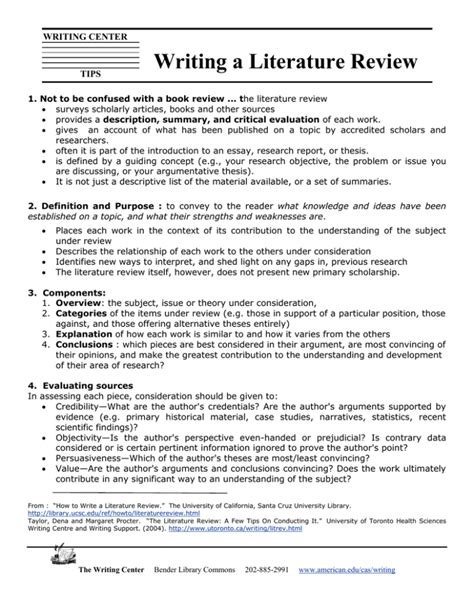
- Include High-Quality Photos/Videos: Visuals are paramount. Capture details, textures, and the overall scale of the item in its environment.
- Consider the Artisan’s Intent: If the artisan shares their story or inspiration, integrate it respectfully into your review to add depth.
Elevating the Appreciation for Handcrafted Goods
By focusing on design, materials, and artistry, your reviews transform from simple product assessments into narratives that celebrate human creativity and skill. This approach not only provides invaluable information to prospective buyers but also fosters a deeper appreciation for the work of artisans. When a review articulates the soul of a handcrafted item, it helps connect buyers with the heart and hands behind the product, ensuring these unique pieces receive the recognition they truly deserve.