
What specific blending techniques elevate basic tutorials to truly elegant artistry?

Beyond the Brushstroke: Mastering the Art of Seamless Blending
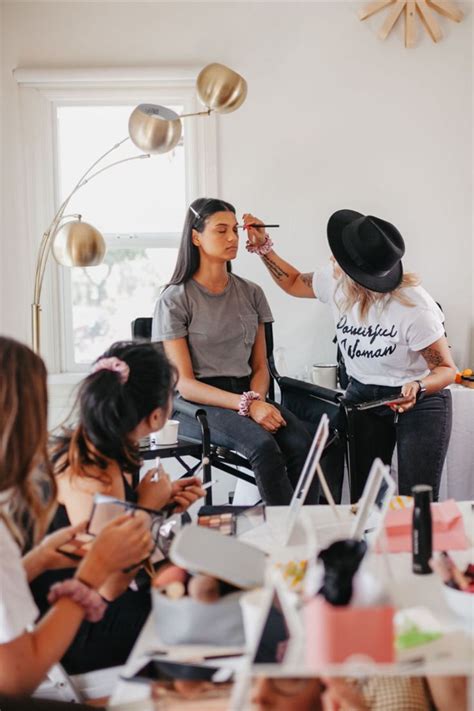
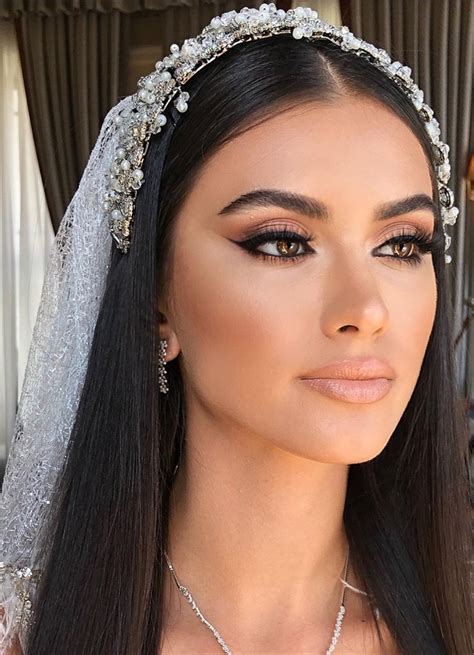
Many makeup enthusiasts can apply products and blend them to some degree. However, the true mark of an artist lies in elevating these basic motions to create a seamless, ethereal finish that appears almost airbrushed. It’s the difference between merely applying makeup and sculpting light and shadow on the face. So, what precise techniques bridge this gap, taking a rudimentary blend to a masterpiece of elegance?
The Foundation of Flawless Blending: Tools and Prep
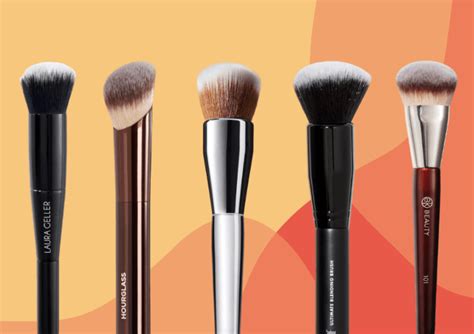
Before any blending begins, the canvas and tools must be perfected. Elegant artistry starts with immaculately prepped skin – hydrated, smooth, and primed. For tools, precision is paramount. Investing in a diverse range of high-quality brushes with varying densities and shapes (fluffy blending brushes, dome-shaped brushes, pencil brushes, flat synthetic brushes) allows for targeted application and diffusion. Sponges, when used damp, are also crucial for pressing and blurring without disturbing the underlying layers.
- Skin Prep: Ensure a smooth canvas with proper hydration and primer.
- Tool Selection: Utilize a variety of high-quality brushes and damp sponges.
- Product Consistency: Work with compatible formulas that blend well together.
Gradient Mastery: The Invisible Transition
Perhaps the most crucial aspect of elegant blending is the creation of imperceptible gradients, particularly with eyeshadow and contour. This isn’t just about mixing colors; it’s about making one shade melt into the next without a visible line of demarcation.
Techniques include:
- Layering Thin Applications: Instead of applying a lot of product at once, build color in sheer layers. Each layer should be blended out completely before the next is applied. This creates depth without heaviness.
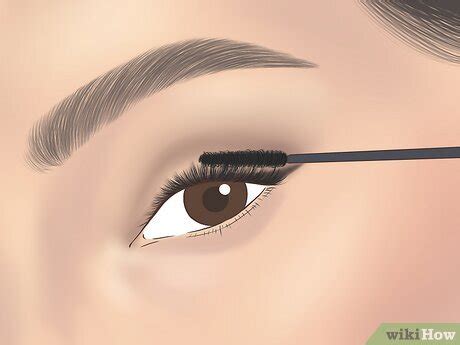
- Circular and Back-and-Forth Motions: For eyeshadow, use soft, circular buffing motions to diffuse color outwards, and gentle back-and-forth windshield-wiper motions within the crease.
- Transition Shades: Always use a neutral transition shade that is a few tones lighter than your deepest color and slightly darker than your highlight. This acts as a bridge, making the blend between stark contrasts much smoother.
- Tapping and Buffing: For cream products, tap the product into the skin first to deposit color, then use small, circular buffing motions with a brush or sponge to blend the edges.

Edge Softening: The Feather-Light Finish
Harsh edges instantly detract from an elegant look. Mastering edge softening creates that coveted diffused, almost painterly effect.
- The Clean Brush Technique: After applying and blending your main colors, take a completely clean, fluffy blending brush (preferably one that hasn’t touched any product) and gently buff over the very edges of your blended areas. This picks up excess product and further diffuses any remaining harsh lines.
- Fingertip Tapping: For certain cream or liquid products, a clean fingertip can gently tap and blur the edges, especially around the foundation or concealer perimeter, leveraging the skin’s natural warmth.
- Powder Setting Strategy: When setting liquids or creams, use a very finely milled translucent powder applied with a soft brush, pressing it lightly over the blended areas to lock them in without adding texture or creating new lines.
Color Theory in Blending: Harmony and Dimension
Beyond the physical act of blending, an understanding of color theory elevates technique to artistry. Knowing how colors interact allows for strategic blending that enhances natural features rather than simply covering them.
- Complementary Diffusion: When blending complementary colors (e.g., purple and yellow), be mindful not to over-blend in the exact same spot, as they can neutralize each other and create muddy tones. Instead, blend them adjacent to each other with a neutral transition.
- Undertone Awareness: Blending products with harmonious undertones (warm with warm, cool with cool) ensures a natural, elegant finish, especially with foundation, concealer, and contour.
- Strategic Placement: Blending isn’t just about making things disappear; it’s about placing and diffusing color to create dimension and light, guiding the eye and enhancing facial structure subtly.
Beyond the Eyes: Contour, Highlight, and Lips
These sophisticated blending techniques aren’t limited to eyeshadow. They are critical for every aspect of an elegant makeup look:
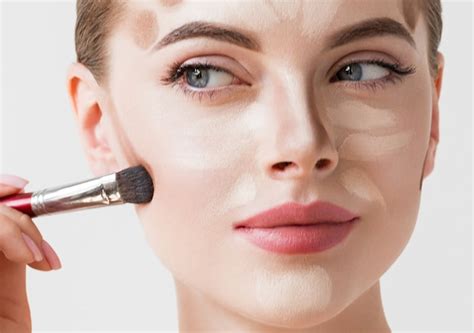
- Seamless Contour and Highlight: Contour should never appear as a stripe. It should melt into the skin, creating a believable shadow. Highlighters should gleam from within, not sit on top of the skin. This requires meticulous buffing and feathering of edges.
- Ombre Lips: Creating a perfectly blended ombre lip, where one color seamlessly transitions into another, requires precise application and gentle blurring with a brush or fingertip to avoid harsh lines.
Conclusion: The Pursuit of Perfection
Elevating basic blending to elegant artistry is a journey of patience, practice, and an acute attention to detail. It involves understanding not just the mechanics of blending, but the principles of light, shadow, and color theory. By mastering thin layering, using the clean brush technique, meticulously softening every edge, and applying an artistic eye to color transitions, makeup artists can consistently transform a simple application into a truly sophisticated and stunning work of art.