


What workshop techniques ensure a truly bespoke, flawless finish every time?

The Art of Bespoke Beauty: Crafting Flawless Finishes
Achieving a truly bespoke and flawless makeup finish consistently is the hallmark of a skilled artist. It moves beyond generic applications, diving deep into understanding individual features, preferences, and skin dynamics. For workshops aiming to cultivate top-tier talent, certain techniques are paramount in ensuring every client walks away feeling uniquely radiant. This involves a blend of technical mastery, keen observation, and personalised interaction.
1. In-depth Client Consultation and Skin Analysis
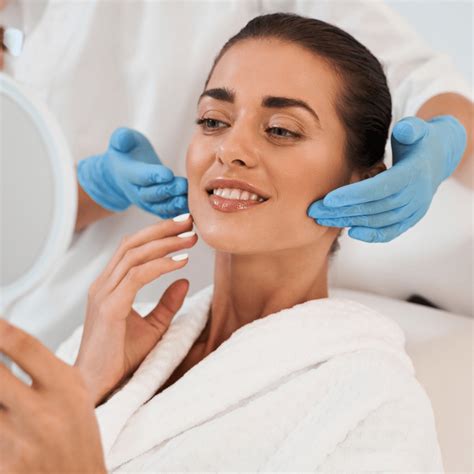
The journey to a bespoke finish begins long before the first brushstroke. A comprehensive consultation is crucial. Workshops must emphasize teaching artists to actively listen to client desires, understand their lifestyle, and perceive their comfort levels with different looks. This is coupled with a thorough skin analysis, identifying skin type (oily, dry, combination), undertones, texture, concerns (acne, redness, pigmentation), and hydration levels. Understanding these nuances allows for product selection and application techniques perfectly tailored to the individual.
2. Mastering Custom Colour Matching and Product Formulation
One-size-fits-all rarely works for foundation and concealer. Workshops should drill down on advanced colour theory and practical custom mixing techniques. This includes identifying accurate undertones (warm, cool, neutral, olive) and learning how to blend various shades and even formulations (liquid, cream, powder) to create the client’s perfect match. This extends beyond the base to customising blush, lip colours, and even eyeshadow palettes to complement individual features and preferences.
3. Precision Application: Techniques for Seamless Blending and Definition
Flawlessness lies in precision and seamless transitions. Workshops must focus on refining application techniques for every product. This includes:
- Brush and Tool Mastery: Understanding how different brushes, sponges, and tools affect product payoff and finish.
- Targeted Correction: Using colour correctors and concealers strategically to neutralise discolouration without heavy layering.
- Layering and Blending: Teaching the art of building coverage in thin, even layers for a natural, skin-like finish, and the importance of thorough blending, especially around the jawline, hairline, and eyes.
- Sculpting and Highlighting: Customising contour and highlight placement to enhance individual bone structure rather than applying a standard pattern.
4. Strategic Setting and Longevity Techniques
A flawless finish must also be enduring. Workshops need to cover techniques that ensure makeup lasts all day without creasing, fading, or smudging. This involves:
- Primer Selection: Choosing primers that address specific skin concerns (e.g., pore-filling, hydrating, oil-controlling).
- Strategic Powdering: Using translucent or finely milled powders to set makeup only where needed, avoiding a ‘cakey’ look.
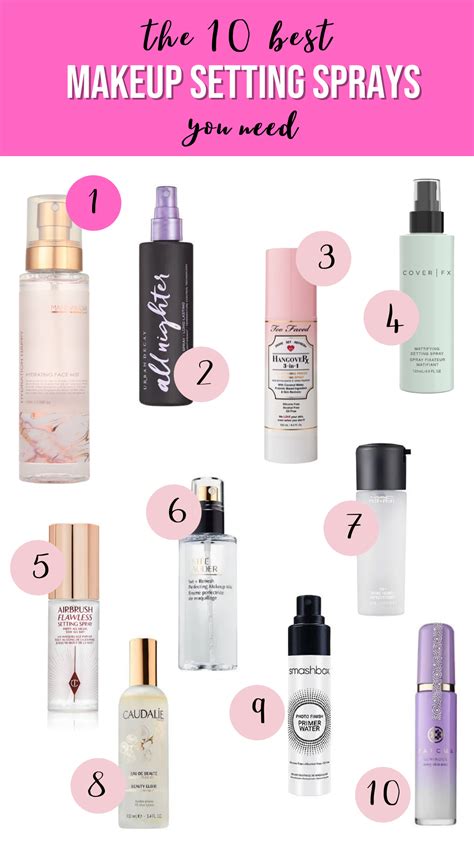
- Setting Sprays: Applying setting sprays effectively to melt products together, add hydration, and extend wear time.
- Environmental Factors: Educating artists on how humidity, temperature, and client activities can affect makeup longevity and how to adapt.
5. Client Education and Post-Application Refinement
A truly bespoke experience includes empowering the client. Workshops should teach artists how to explain the products and techniques used, offering tips for maintenance and touch-ups. Furthermore, the ability to observe the makeup in various lighting conditions and make subtle, artistic adjustments based on client feedback and the overall look is vital. This final refinement ensures the finish is not just technically perfect but also aesthetically pleasing and comfortable for the client.
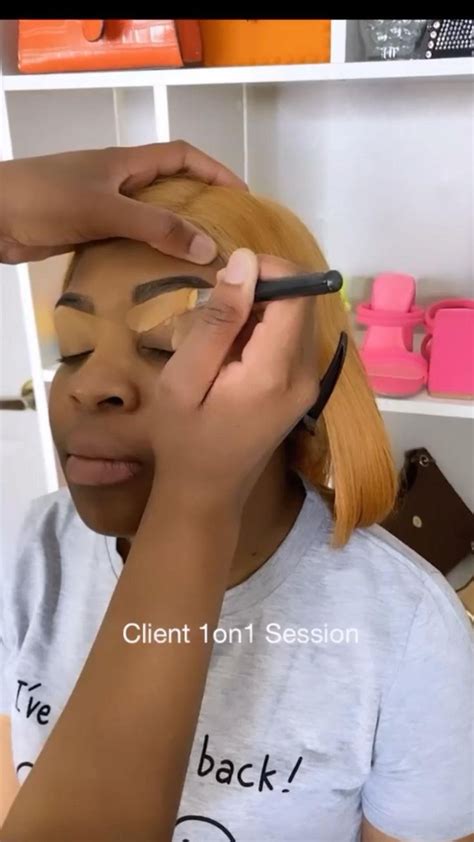
By integrating these meticulous techniques into their curriculum, makeup workshops can consistently produce artists capable of delivering truly bespoke, flawless finishes that celebrate and enhance each client’s unique beauty. It’s an investment in skill, understanding, and the ultimate client satisfaction.