

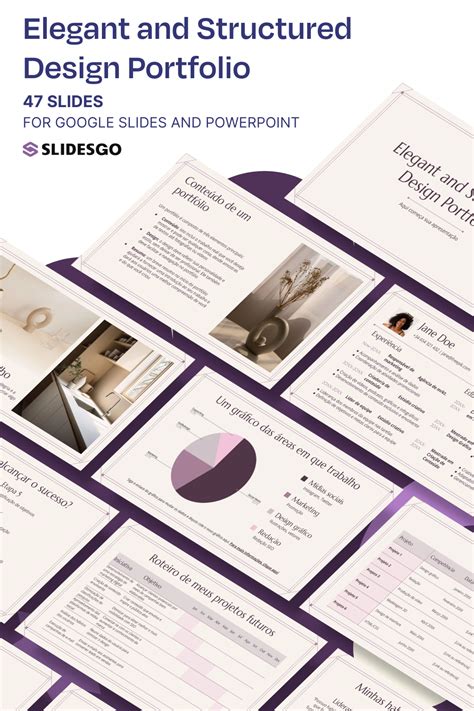
How to curate a Pro Artist Portfolio for enhanced elegance & artistic impact?
In the competitive world of art, a professional portfolio is far more than just a collection of your work; it’s a meticulously crafted narrative, a powerful statement of your artistic identity, and your most vital marketing tool. Curating a portfolio for enhanced elegance and artistic impact requires strategic thinking, discerning selection, and an unwavering commitment to quality. It’s about presenting your vision in a way that captivates, communicates, and ultimately converts interest into opportunity.
Understand Your Audience and Define Your Purpose
Before you even begin selecting pieces, consider who your portfolio is for. Are you targeting galleries, collectors, commissioners, or specific industry clients? Each audience has different expectations and interests. Tailoring your portfolio to speak directly to their needs and aesthetic preferences will significantly increase its impact. Define the core message you want to convey about your art and your practice. This clarity of purpose will guide every decision you make.
The Power of Selection: Less is More
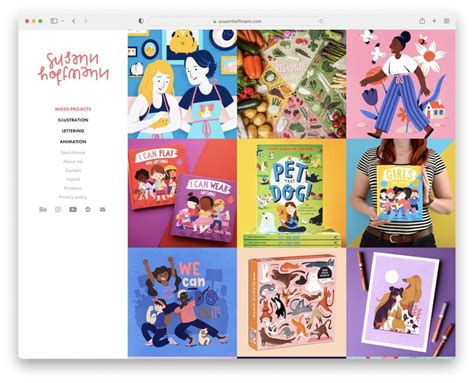
This is perhaps the most crucial step. Resist the urge to include every piece you’ve ever created. Instead, focus on a concise collection of your absolute strongest and most cohesive works. Aim for quality over quantity. Each piece should showcase your unique voice, technical mastery, and thematic consistency. If a piece doesn’t elevate the overall impression of your portfolio, it shouldn’t be included. Think of your portfolio as a curated exhibition of your very best work.
High-Quality Presentation is Non-Negotiable
No matter how brilliant your artwork, poor presentation can undermine its perceived value. This applies to both digital and physical portfolios. Ensure your images are high-resolution, professionally photographed, and color-accurate. For physical portfolios, use archival quality prints, pristine matting, and a clean, elegant binding. Pay attention to details like consistent branding, legible fonts, and a professional artist statement and bio.

Crafting a Compelling Narrative
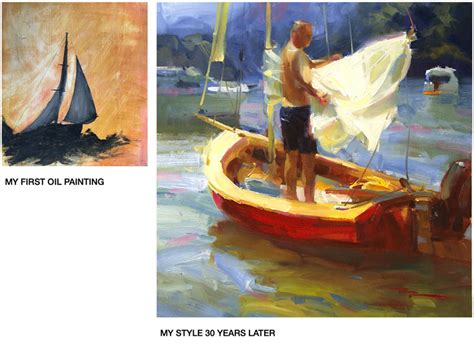
Your portfolio should tell a story. Grouping related works or showcasing a series can highlight your artistic journey, conceptual depth, and stylistic evolution. Provide context for your work through concise, engaging descriptions that illuminate your process, inspiration, and the themes you explore. An articulate artist statement and a brief, professional bio will help viewers connect with you as an artist and understand the intellectual framework behind your creations.

Digital vs. Physical Portfolios: Strategic Use
While physical portfolios offer a tactile experience, a professional digital portfolio is essential for reach and accessibility. Your website should be easy to navigate, mobile-responsive, and visually appealing, serving as your primary online presence. Use high-quality image galleries, and consider including video if relevant to your practice. Physical portfolios are ideal for in-person meetings, allowing for a more intimate and direct engagement with your work. Ensure both formats are consistent in content and presentation.

Regular Review and Refinement
Your artistic journey is continuous, and so too should be the evolution of your portfolio. Periodically review your work with fresh eyes, or seek feedback from trusted peers and mentors. Remove older pieces that no longer represent your current skill level or artistic direction, and replace them with new, stronger works. Keeping your portfolio updated ensures it always reflects your most accomplished and relevant artistic endeavors.

A beautifully curated professional artist portfolio is your most powerful advocate, speaking volumes about your dedication, skill, and unique artistic vision. By focusing on audience, thoughtful selection, impeccable presentation, and a compelling narrative, you can create a portfolio that not only exudes elegance but also leaves an unforgettable artistic impact, opening doors to new opportunities and furthering your career.