

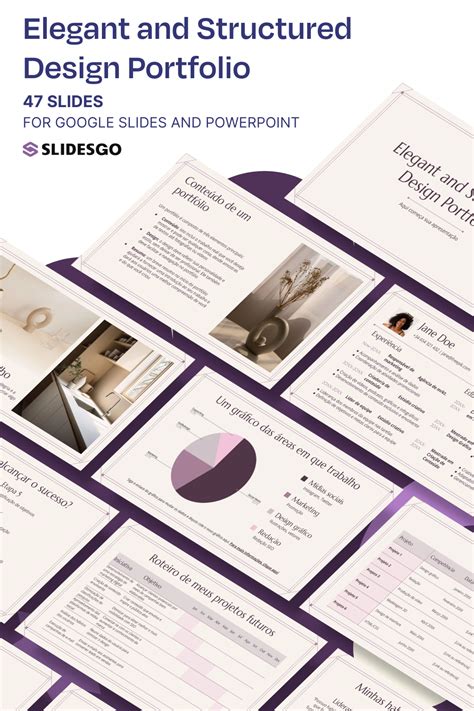
How to curate my Pro Artist Portfolio for elegance & high-impact client attraction?

Elevate Your Artistic Showcase: Beyond a Mere Collection
For professional artists, a portfolio is far more than just a collection of works; it’s a strategic marketing tool, a visual resume, and a statement of your artistic identity. To truly stand out in a competitive creative landscape, your portfolio must embody both elegance and high-impact appeal, drawing in the right clients and opportunities. This guide will walk you through the essential steps to curate a portfolio that not only showcases your talent but also speaks directly to your ideal audience.
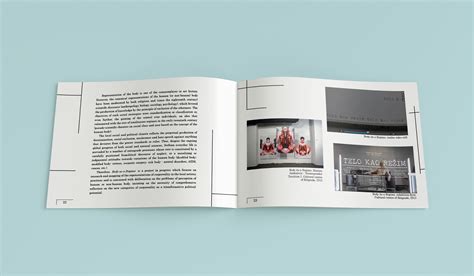
The Foundation: Defining Elegance and Purpose
1. Define Your Niche and Vision
Before selecting a single piece, clarify who you are as an artist and whom you wish to attract. Are you a minimalist sculptor, a vibrant muralist, or a detailed illustrator? Your portfolio should consistently reflect this core identity. An elegant portfolio isn’t just beautiful; it’s coherent and purposeful, demonstrating a clear artistic voice. Without a defined vision, your portfolio risks appearing scattered and unprofessional.
2. Quality Over Quantity: The Power of Selectivity
Resist the urge to include every piece you’ve ever created. An elegant portfolio is concise and impactful. Choose only your absolute best, most representative works – those that exemplify your skill, style, and the type of projects you want to undertake. Ideally, aim for 10-20 strong pieces. Each inclusion should earn its place by showcasing technical mastery, conceptual strength, or unique aesthetic appeal. Less is often more when aiming for sophistication.
3. Professional Presentation and Documentation
The best artwork can be undermined by poor presentation. Invest in high-quality photography of your physical work. Ensure proper lighting, crisp focus, and accurate color representation. For digital art, export in high resolution and appropriate file formats. Consistent framing, clean backgrounds, and a professional digital layout contribute significantly to an elegant overall impression. Treat each piece as if it were a gallery exhibit.

Crafting High-Impact Client Attraction
4. Tell a Story with Your Work
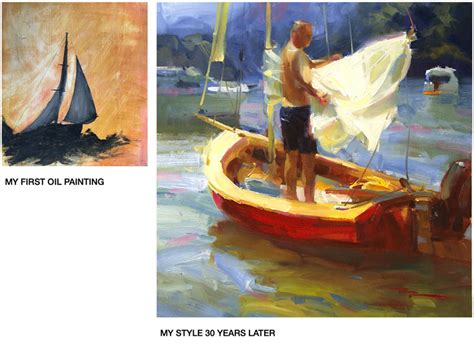
Beyond individual pieces, your portfolio should tell a compelling narrative. Arrange your work thoughtfully to create a flow that guides the viewer through your creative journey or demonstrates a progression of skill. Consider adding brief, impactful descriptions for each piece or project. These descriptions should go beyond mere titles, explaining the concept, medium, and any specific client brief or challenge you addressed. This contextualizes your work and highlights your problem-solving abilities.
5. Showcase Strategic Versatility (Not Randomness)
While coherence is key, demonstrating a controlled range can be highly attractive to clients seeking adaptable artists. If you work across different mediums or styles, group them logically. For example, have distinct sections for “Fine Art” and “Commercial Illustration,” or “Portraiture” and “Landscape.” This shows you’re capable of different challenges without making your portfolio feel disjointed. Focus on versatility that aligns with your ideal client’s needs, rather than displaying every possible style.
6. Integrate Client Testimonials and Success Stories
Social proof is incredibly powerful. Include a dedicated section for glowing testimonials from previous clients. Highlight specific positive feedback about your professionalism, communication, meeting deadlines, and, of course, the quality of your work. For larger projects, consider adding brief case studies that outline the client’s problem, your artistic solution, and the positive outcome. This builds trust and demonstrates your value beyond the artwork itself.

The Digital Edge: Optimizing Your Online Portfolio
7. Seamless User Experience (UX) and Navigation
Most clients will view your portfolio online. Invest in a professional website or a dedicated portfolio platform (like Behance, ArtStation, or your own self-hosted site). Ensure it’s easy to navigate, with clear menus and logical organization. Fast loading times, intuitive controls, and a clutter-free design are paramount. An elegant online portfolio is a joy to explore, allowing clients to quickly find what they’re looking for and appreciate your work without frustration.
8. Optimize for Search Engine Visibility (SEO)
To attract clients who are actively searching for artists like you, incorporate basic SEO principles. Use relevant keywords in your website’s meta descriptions, page titles, and image alt text (e.g., “fine art painter London,” “custom mural artist,” “character designer”). While your art speaks for itself, making it discoverable is the first step towards high-impact attraction. Regularly update your site and link it to your social media profiles.
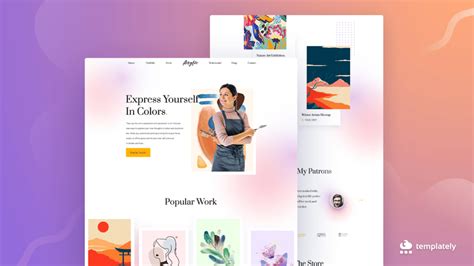
Conclusion: Your Portfolio as a Masterpiece
Curating a pro artist portfolio for elegance and high-impact client attraction is an ongoing artistic process in itself. It requires self-reflection, ruthless selectivity, professional presentation, strategic storytelling, and an understanding of your target audience. By focusing on quality, coherence, and professional delivery, your portfolio will cease to be just a collection of art; it will become a powerful testament to your unique talent, a compelling invitation for collaboration, and an undeniable magnet for your ideal clients. Invest the time and effort, and watch your artistic career flourish.