

What SEO strategy boosts visibility for elegant, detailed makeup artistry tutorials?
Captivating Your Audience: The Art of SEO for Makeup Tutorials
In the crowded digital landscape of beauty content, simply creating stunning makeup artistry tutorials isn’t enough. To truly stand out and ensure your elegant, detailed work reaches its intended audience, a strategic approach to Search Engine Optimization (SEO) is paramount. This isn’t just about showing up in search results; it’s about attracting beauty enthusiasts actively seeking the precise techniques and styles you offer, transforming casual browsers into loyal subscribers.
An effective SEO strategy for makeup artistry tutorials must marry artistic flair with technical precision, ensuring your detailed work gets the spotlight it deserves on platforms like YouTube, Google, and Pinterest. Let’s delve into the core components that will elevate your visibility.
Mastering Keyword Research for Niche Artistry
The foundation of any successful SEO strategy lies in meticulous keyword research. For elegant, detailed makeup tutorials, this means moving beyond broad terms like “makeup tutorial.” Instead, focus on long-tail, descriptive keywords that capture the essence and specificity of your artistry.
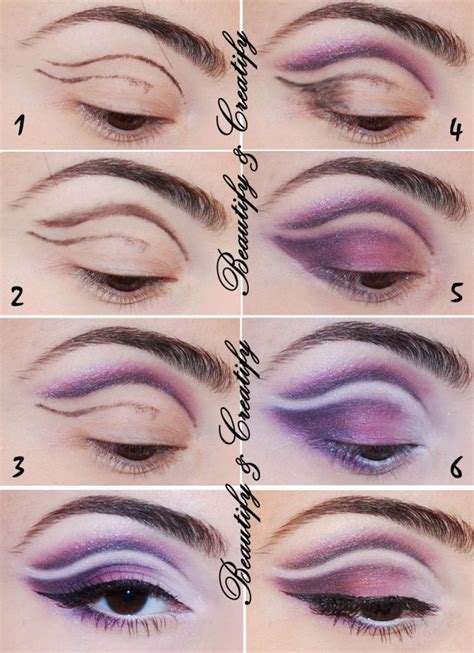
- Specificity is Key: Think about what makes your tutorials unique. Are they for “vintage Hollywood glamour makeup,” “ethereal bridal makeup look,” “detailed cut crease tutorial for hooded eyes,” or “luxury evening eye makeup step-by-step”? These longer phrases have less competition and attract highly engaged users.
- Audience Intent: Consider what problems your audience is trying to solve. Are they searching for “how to apply liquid eyeliner perfectly” or “best foundation for mature skin tutorial”?
- Tools to Use: Leverage tools like Google Keyword Planner, SEMrush, Ahrefs, or even the ‘Searches related to…’ section on Google to uncover relevant long-tail keywords. Pay attention to auto-complete suggestions on YouTube and Google.

Crafting High-Quality, SEO-Optimized Content
Search engines prioritize high-quality, comprehensive content that genuinely helps users. For makeup tutorials, this means optimizing not just your video titles but also descriptions, blog posts, and supporting text.
Detailed Video Optimization on YouTube and Beyond
- Compelling Titles: Incorporate your primary long-tail keyword naturally at the beginning of your video title (e.g., “Ethereal Bridal Makeup Tutorial: Soft Glam for Your Big Day”).
- Rich Descriptions: Write detailed descriptions (200-500 words minimum) that include keywords, timestamps for different steps, a product list with affiliate links (if applicable), and links to related tutorials or your blog. YouTube descriptions are a goldmine for SEO.
- Tags: Use a mix of broad and specific tags relevant to your tutorial. Don’t keyword stuff, but be comprehensive.
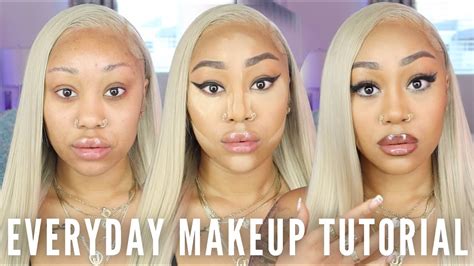
- Thumbnails: Create eye-catching, high-resolution custom thumbnails that clearly convey the style and outcome of the tutorial.
- Transcripts & Captions: Provide accurate transcripts or closed captions for your videos. This makes your content accessible and provides search engines with more text to crawl, significantly boosting your SEO.
Optimizing Supporting Blog Posts and Articles
For each video tutorial, consider creating a corresponding blog post on your website. This allows for even deeper SEO integration:
- In-Depth Guides: Expand on the video with written step-by-step instructions, product reviews, and pro tips. This creates substantial textual content for search engines.
- On-Page SEO: Optimize your blog post with proper H1, H2, and H3 header tags, incorporating keywords naturally throughout the text. Ensure your meta title and description are compelling and keyword-rich.
- Image Optimization: For any images accompanying your blog post, use descriptive alt text (e.g., “Smokey eye blending technique”).
Technical SEO for Enhanced Discoverability
Beyond content, technical elements ensure search engines can easily find, crawl, and understand your beautiful tutorials.
- Schema Markup: Implement `VideoObject` schema on your video pages or blog posts embedding videos. This tells search engines specific details about your video (thumbnail, description, duration) and can lead to rich snippets in search results, improving click-through rates. For step-by-step guides, `HowTo` schema can also be incredibly beneficial.
- Mobile-Friendliness & Page Speed: Ensure your website and blog are fast-loading and responsive on all devices. Google prioritizes mobile-friendly sites.
- Sitemap & Robots.txt: Make sure your sitemap is up-to-date and submitted to Google Search Console, and your robots.txt file isn’t blocking essential content.
![5 Types of Schema Markup and Their Examples [Updated 2025]](/images/aHR0cHM6Ly90czQubW0uYmluZy5uZXQvdGg/aWQ9T0lQLjhGRDBQZ2lRQnV6akFlaVFXOUEyS1FIYUQ0JnBpZD0xNS4x.webp)
Building Authority Through Off-Page SEO and Promotion
Even the most perfectly optimized content needs a push to gain traction. Off-page SEO focuses on activities outside your immediate control that build your site’s authority and reach.
- Social Media Engagement: Actively promote your tutorials across platforms like Instagram (reels, stories), Pinterest (optimizing pins with keywords), and TikTok. Each platform has its own discovery algorithm.
- Backlinks: Earn high-quality backlinks from other reputable beauty blogs, magazines, or influencers. This signals to search engines that your content is valuable and trustworthy. Collaborate with fellow artists, participate in expert round-ups, or guest post.
- Community Interaction: Engage with comments on your videos and blog. Respond to questions, foster a sense of community, and be present where your audience gathers online.
Analyzing Performance and Adapting Your Strategy
SEO is an ongoing process. Continuously monitor your performance to refine your strategy:
- Google Analytics & Search Console: Track traffic, keyword rankings, and user behavior on your website. Identify which tutorials are performing well and which need improvement.
- YouTube Analytics: Understand watch time, audience retention, and traffic sources for your videos.
- Competitor Analysis: Observe what successful beauty creators in your niche are doing. What keywords are they ranking for? How do they structure their content?
By consistently analyzing data, you can adapt your keyword strategy, optimize existing content, and discover new opportunities to boost your visibility.
Conclusion
Boosting the visibility of elegant, detailed makeup artistry tutorials requires a blend of artistic excellence and strategic digital marketing. By meticulously researching niche keywords, creating comprehensive and optimized content, addressing technical SEO elements, and actively promoting your work, you can ensure your beautiful creations not only inspire but also reach the vast audience they deserve. Embrace SEO not as a chore, but as an essential tool to amplify your artistry and build a thriving online presence in the competitive beauty space.