


How do you adapt workshop techniques for personalized elegance on your unique features?
From Generic Guidance to Bespoke Beauty
Makeup workshops offer invaluable foundational knowledge, teaching popular techniques and trends that can transform a look. However, the true artistry of makeup lies not in replicating a universal standard, but in adapting these techniques to celebrate and enhance your individual features. Every face is a unique canvas, and personalized elegance emerges when you learn to tailor general advice to your specific bone structure, eye shape, skin tone, and personal style.
The journey from workshop attendee to personal makeup artist involves a shift in perspective: from ‘how to do it’ to ‘how to do it for me.’ This article will guide you through the process of critically evaluating and intelligently modifying learned techniques to unlock your most authentic and stunning self.
Understanding Your Unique Canvas
Before you can adapt any technique, you must first understand the canvas you’re working with – your own face. Take time to observe your features without judgment. What is your face shape (oval, round, square, heart, long)? What is your eye shape (almond, hooded, monolid, round, downturned)? What is your skin undertone (cool, warm, neutral)? How do your lips naturally sit? Where do your natural shadows and highlights fall?
Many workshops demonstrate on models with “average” or “ideal” features, which may not align with yours. Your unique attributes are not challenges to be corrected, but characteristics to be accentuated. Use a good mirror, natural light, and even take photos to objectively assess your features. This self-awareness is the bedrock of personalized elegance.
Decoding Workshop Techniques for You
Now, let’s break down how to adapt common workshop techniques:
Foundation & Concealer: The Perfect Match
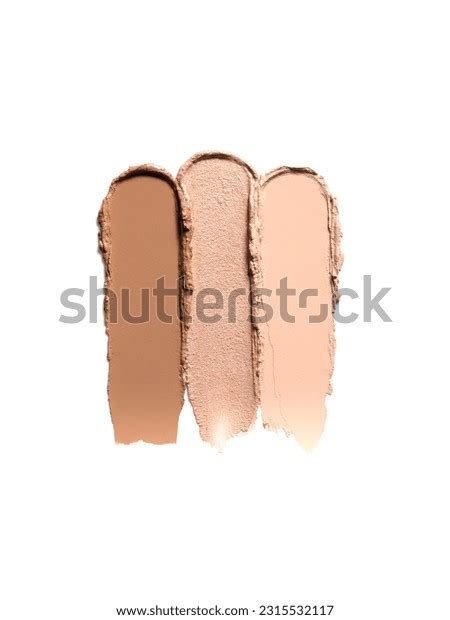
Workshops often teach a standard method of applying foundation all over the face. For personalized elegance, focus on strategic application. Instead of one uniform layer, apply foundation only where needed to even out skin tone, perhaps concentrating on the T-zone or areas with redness. For concealer, understand its purpose on your face: is it for dark circles, blemishes, or brightening specific areas? The goal is seamless integration with your natural skin, not a mask. Mix shades if necessary to create your perfect custom blend.
Eyes: Tailoring for Your Shape
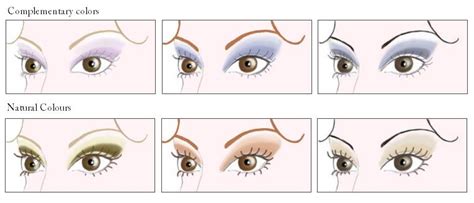
This is where personalization truly shines. A winged liner technique demonstrated on an almond eye may look entirely different on a hooded or downturned eye. For hooded eyes, try a “bat wing” liner that appears straight when open. For round eyes, extend the liner horizontally to elongate. For monolid eyes, a thinner, precise line or a “puppy liner” might be more flattering. Similarly, eyeshadow placement – where you put your transition shade, crease color, or shimmer – should be dictated by your natural eye folds and bone structure, not a generic diagram.
Brows: Framing Your Face
Brow shaping workshops teach principles of arch placement and length. However, the “ideal” brow shape varies significantly. Consider your face shape: a softer arch for a square face, a more defined arch for a round face. Your natural brow growth and hair texture also play a role. Instead of forcing a trendy shape, aim to enhance your natural brow line, filling in sparse areas and defining your existing arch to best frame your eyes and harmonize with your facial structure.
Contour & Highlight: Enhancing Your Structure
Contouring and highlighting are powerful tools, but they must be applied precisely to your unique bone structure. Workshops might show general placement for cheekbones, jawline, and nose. For a personalized approach, identify your specific high points and natural shadows. Contour under your cheekbones, not necessarily in the exact same spot as the demonstrator. Highlight on your high points – your brow bone, the bridge of your nose (if you wish to slim it), and the very top of your cheekbones. The goal is to sculpt and bring forward/recede features specific to your face, not to mimic a generic contour map.
Lips: Defining Your Pout
Lip techniques range from overlining to creating an ombre effect. For personalization, start by observing your natural lip shape. Do you have a full cupid’s bow or a less defined one? Are your top and bottom lips symmetrical? If overlining, do so subtly and only where needed to balance or enhance, rather than drastically alter. Choose colors that complement your skin tone and personal style, understanding that a shade that pops on one person might wash out another.
Experimentation and Practice: Your Personal Lab
The journey to personalized elegance is an ongoing experiment. Don’t be afraid to break “rules” or tweak techniques you learned. Try different placements, intensities, and products. What works for a makeup artist on YouTube or a workshop instructor might not be your perfect fit. Take photos of your makeup from different angles and in various lighting to see what truly works for you.
Practice regularly. The more you apply makeup with an understanding of your unique features, the more intuitive the process will become. Over time, you’ll develop a signature style that feels authentic and enhances your natural beauty, rather than trying to transform you into someone else.
Embracing Your Personalized Elegance
Ultimately, personalized elegance in makeup is about confidence and self-acceptance. It’s about using makeup as a tool to express your unique beauty, not to mask or correct perceived flaws. Your unique features – that slightly asymmetrical lip, that distinct eye shape, that specific nose contour – are what make you, you. Learning to adapt workshop techniques allows you to celebrate these features and present your most authentic, elegant self to the world.

Shift your mindset from “how should I look?” to “how can I best enhance what I have?” This powerful perspective will transform your makeup routine into a ritual of self-love and artistic expression, leading to a truly personalized and elegant aesthetic.