


Define your elegance: How to personalize tutorial techniques for enhanced artistry?

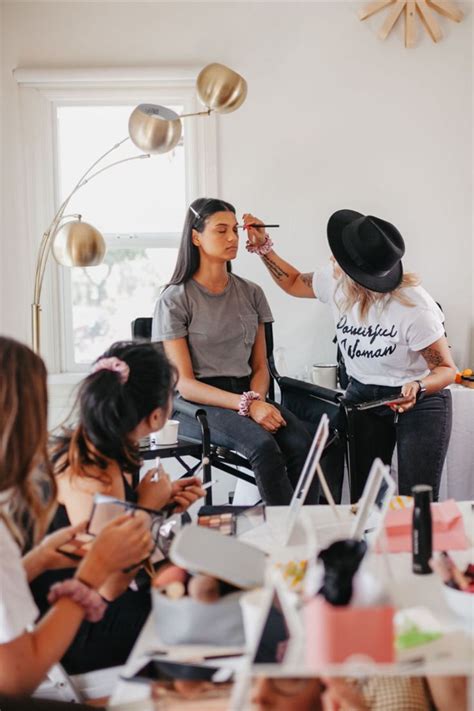
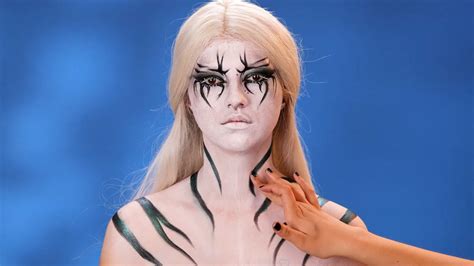
In a world overflowing with makeup tutorials, it’s easy to get lost in a sea of step-by-step guides promising universal perfection. While these tutorials are excellent starting points, true elegance in makeup isn’t about replication; it’s about personalization. It’s about taking foundational techniques and bending them to fit the unique canvas that is your face, transforming mere application into genuine artistry.
The Myth of One-Size-Fits-All Beauty
Every face tells a different story. From distinct bone structures and varied skin tones to unique eye shapes and lip contours, no two individuals are exactly alike. Relying solely on generic tutorials, designed for an average or idealized face, can often lead to results that feel unnatural or unflattering. What looks stunning on a model with almond eyes might not translate well to hooded lids, and a contour technique perfect for an oval face might not enhance a heart-shaped one.
Tutorials provide valuable skills and inspiration, offering a roadmap to understanding tools, products, and basic methods. However, they serve as a launchpad, not the final destination. The real magic happens when you move beyond imitation and begin to interpret these techniques through the lens of your own features, preferences, and personal style.
Understanding Your Canvas: The Foundation of Personalization
Before you can effectively personalize any technique, you must first become intimately familiar with your own features. This self-analysis is the cornerstone of enhanced artistry:
- Face Shape: Identify if your face is oval, round, square, heart, long, or diamond. This informs contour, blush, and highlight placement.
- Eye Shape: Understand if you have almond, round, hooded, monolid, downturned, or upturned eyes. This dictates eyeliner styles, eyeshadow application, and lash choices.
- Lip Shape: Observe if your lips are thin, full, asymmetrical, or have a distinct cupid’s bow. This guides lip liner and lipstick application.
- Skin Tone & Undertone: Knowing your skin’s surface color and underlying warmth or coolness is crucial for selecting the right foundation, concealer, and color palettes.
- Skin Type: Oily, dry, combination, or sensitive skin influences product textures and finishes.
Take time to observe your face in different lighting, noting your strongest features and areas you might want to subtly enhance or balance. This awareness empowers you to make informed decisions about adapting techniques.
Adapting Techniques: From Tutorial to Tailored Artistry
Once you know your features, you can begin to modify tutorial techniques. Here’s how:
- Eyes: For hooded eyes, focus on placing darker shadows above the crease rather than directly into it to create dimension. For close-set eyes, emphasize the outer corner with liner and shadow to create width. Instead of a standard winged liner, experiment with a ‘bat wing’ for hooded lids or a soft, smudged line for a more natural look.
- Brows: Rather than blindly following a ‘popular’ brow shape, tailor your arches to complement your face shape. A softer arch might flatter a square face, while a more defined one can balance a round face.
- Complexion: Contour and highlight according to your face shape to create desired shadows and light, rather than applying a universal ‘3’ or ‘E’ shape. Choose foundation and concealer shades that perfectly match your skin and undertone, then apply only where needed for seamless coverage.
- Lips: If you have thin lips, use liner slightly outside your natural lip line to create the illusion of fullness. If your lips are asymmetrical, use liner to balance their shape before applying color.
Product Play: Choosing What Works for YOU
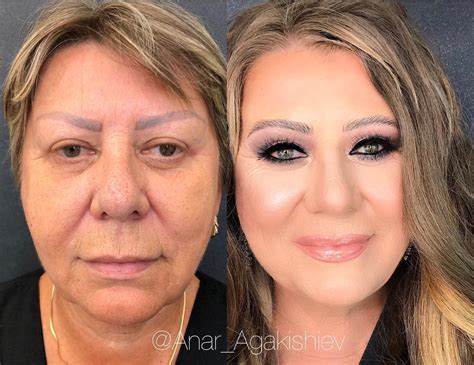
Personalization extends beyond technique to product selection. The perfect product for one person might be disastrous for another. Learn to choose products based on:
- Color Theory: Select eyeshadows that make your eye color pop, blushes that complement your skin tone, and lip colors that enhance your overall look. Don’t just pick trendy colors; pick flattering ones.
- Texture & Finish: Oily skin often benefits from matte finishes and powder products, while dry skin thrives with dewy formulations and cream products. Experiment to see what feels and looks best on your skin.
- Ingredients: Pay attention to ingredients, especially if you have sensitive or acne-prone skin. Prioritize products that align with your skin’s needs.

Practice, Experimentation, and Confidence
The journey to enhanced artistry is iterative. It requires practice, experimentation, and a willingness to step outside your comfort zone. Don’t be afraid to try new techniques, even if they don’t work out perfectly the first time. Keep a small notebook or take photos to document what works for you and what doesn’t. Over time, you’ll develop an intuitive understanding of your face and what enhances your unique beauty.
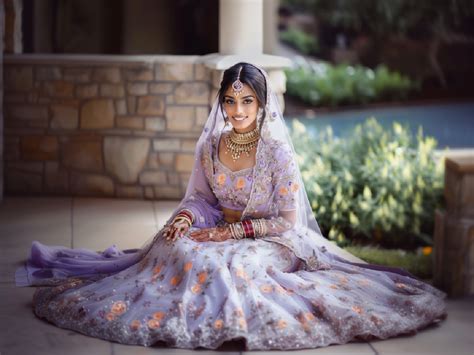
True elegance in makeup isn’t about flawless execution of someone else’s style; it’s about confidently expressing your own. It’s about knowing your features, understanding how to work with them, and developing a signature look that feels authentic to you. This process not only elevates your makeup skills but also deepens your self-awareness and self-acceptance.
Conclusion: Embrace Your Elegance
Defining your elegance through personalized makeup techniques is an empowering journey. It shifts your perspective from passively consuming content to actively creating your own beauty narrative. By understanding your unique canvas and adapting tutorial techniques to your individual needs, you transform makeup from a chore into a creative expression, revealing a more refined, authentic, and truly artistic version of yourself.