
What specific presentation choices define elegance & enhance a pro artist portfolio’s impact?
For professional artists, a portfolio is more than just a collection of work; it’s a meticulously crafted statement that reflects their artistic identity and aspirations. The choices made in its presentation can dramatically elevate its perceived value, defining elegance and amplifying its impact on gallerists, clients, and collaborators. Elegance, in this context, transcends mere aesthetics; it embodies thoughtfulness, clarity, and an undeniable air of professionalism.
The Art of Impeccable Curation
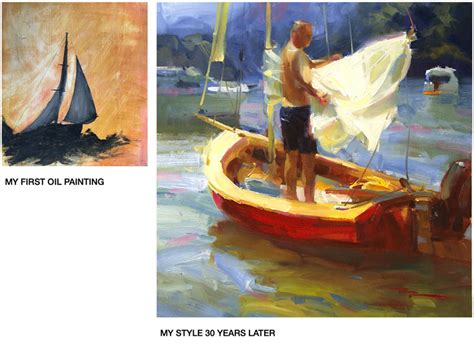
Elegance begins with discernment. A truly impactful portfolio isn’t a dump of every piece an artist has ever created; it’s a highly curated selection of their strongest, most cohesive, and most relevant works. This involves a rigorous editing process, choosing pieces that showcase technical mastery, conceptual depth, and a consistent artistic voice. Less is often more; a few outstanding pieces make a stronger impression than many mediocre ones. The chosen works should collectively tell a story, demonstrating evolution or a particular thematic focus.
Visual Quality: The Foundation of Professionalism
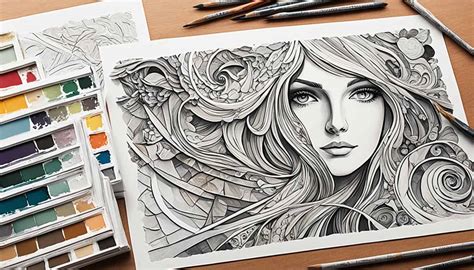
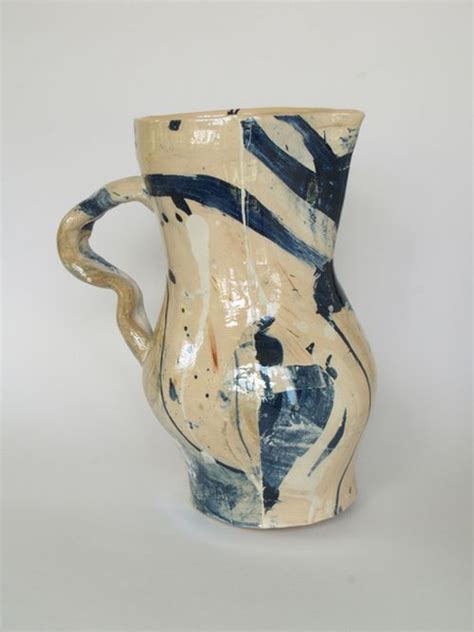
No matter the medium, the quality of the visual documentation is paramount. High-resolution photographs or scans, taken with professional lighting and accurate color representation, are non-negotiable. Blurry, poorly lit, or cropped images immediately detract from elegance and signal a lack of attention to detail. For three-dimensional works, multiple angles and detail shots can enhance understanding. The goal is to present each artwork in its best possible light, allowing its inherent beauty and skill to shine through without distraction.
Design Principles: Layout, Typography, and White Space
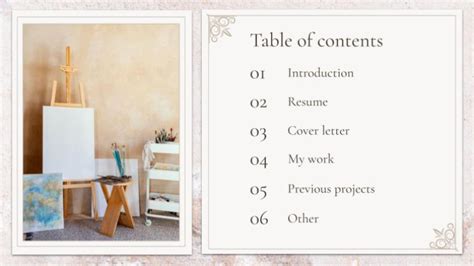
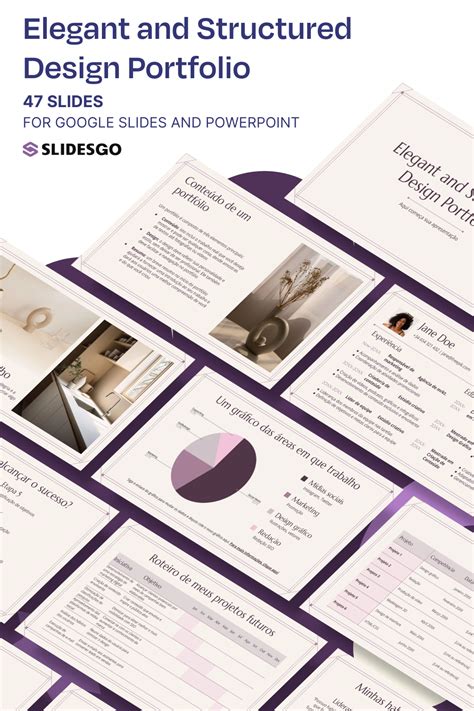
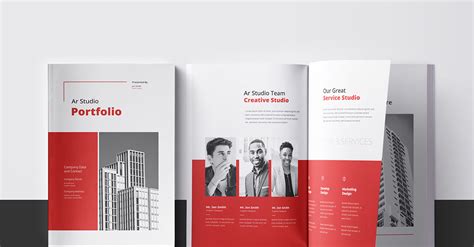
The layout and design of your portfolio platform – whether physical or digital – are crucial to conveying elegance. Clean, uncluttered layouts that prioritize white space allow individual pieces to breathe and command attention. A consistent, sophisticated typographic choice for titles, descriptions, and artist statements conveys professionalism without being distracting. Overly ornate fonts or inconsistent styles undermine an elegant presentation. Furthermore, ensure ease of navigation; a seamless user experience is inherently elegant.
Crafting a Cohesive Narrative and Brand
An elegant portfolio tells a story. This isn’t just about the individual pieces but how they relate to each other and to your overall artistic identity. Consistent branding – from your logo and color palette to your artist statement and bio – creates a unified and memorable experience. An elegant portfolio subtly communicates your unique vision and professional ethos. It’s about building a recognizable brand that resonates with your target audience, demonstrating intentionality behind every choice.
The Digital Experience: Website and User Interface
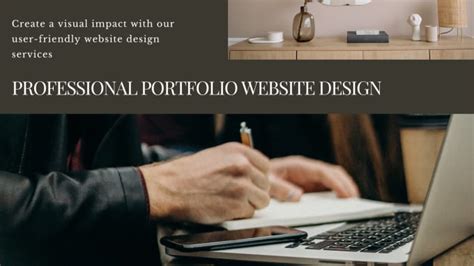
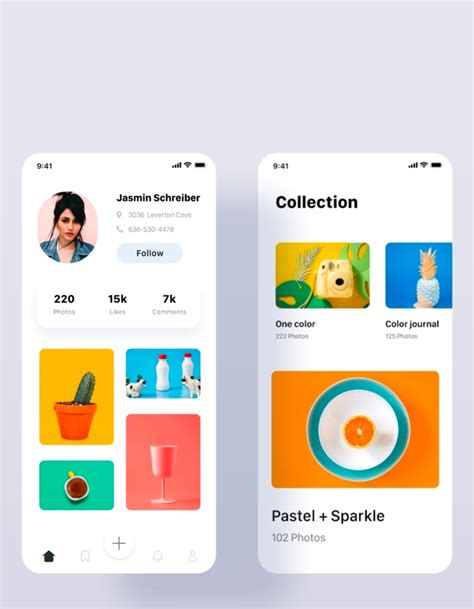
For most contemporary artists, a professional website serves as their primary portfolio. The elegance of a digital portfolio relies heavily on its user interface (UI) and user experience (UX). It should be mobile-responsive, load quickly, and be intuitive to navigate. Broken links, slow loading times, or a confusing layout are immediate deterrents. Elegant digital portfolios often feature subtle animations, well-integrated contact forms, and easy sharing options, reflecting a thoughtful approach to the viewer’s journey.
The Subtle Art of Detail and Professionalism
Finally, elegance is in the details. This includes carefully proofread text free of grammatical errors, consistent formatting for artwork information (title, medium, dimensions, year), and professional contact information. Even seemingly minor elements, like the quality of the paper for a print portfolio or the domain name of a website, contribute to the overall impression of refinement and professionalism. These choices collectively signal that the artist values their work and their audience, enhancing impact and opening doors to new opportunities.
Defining elegance in an artist’s portfolio is a multifaceted endeavor, blending thoughtful curation with impeccable presentation. It’s about more than just showcasing art; it’s about crafting an experience that speaks volumes about the artist’s dedication, professionalism, and unique vision. By meticulously considering visual quality, design principles, narrative cohesion, and user experience, artists can create a portfolio that not only impresses but truly resonates, amplifying their impact in the competitive art world.