

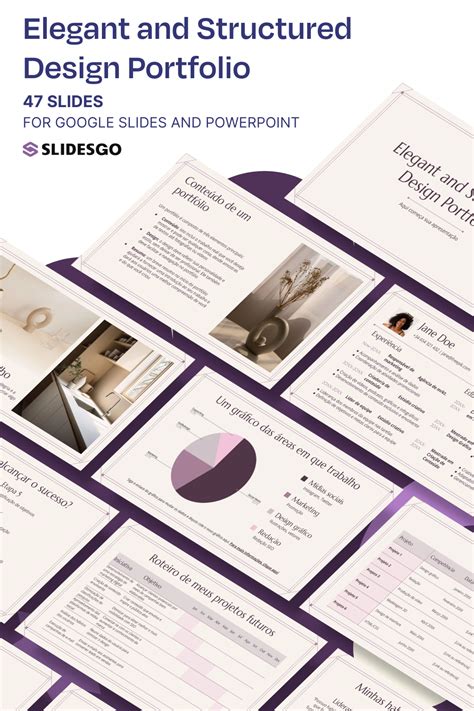
How to best curate Pro Artist Portfolio for elegant visual impact and enhanced artistry?

The Foundation of Your Artistic Legacy
For professional artists, a portfolio is far more than just a collection of work; it’s a meticulously crafted narrative, a visual statement of your skill, vision, and unique artistic voice. In a competitive creative landscape, a poorly curated portfolio can hinder opportunities, while one that exudes elegance and intentionality can open doors to commissions, exhibitions, and collaborations. This guide will walk you through the essential steps to curate a pro artist portfolio that not only impresses but truly resonates, amplifying your artistry and leaving a lasting visual impact.
Quality Over Quantity: The Golden Rule
The most common mistake artists make is including too much work. Resist the urge to showcase every piece you’ve ever created. Instead, embrace the principle of “less is more.” Focus on your absolute best, most impactful pieces – those that truly represent your current artistic direction and highest level of skill. A strong portfolio typically features 10-20 exceptional works, allowing each piece to breathe and command attention.
- Be Ruthless in Selection: Remove any work that doesn’t meet your highest standards, feels dated, or doesn’t align with your artistic goals.
- Seek External Feedback: Ask trusted peers, mentors, or even potential clients for their unbiased opinions on your selections.
- Consider Your Audience: Tailor your selection slightly based on who will be viewing the portfolio (e.g., gallery owners, art directors, private collectors).
Crafting a Cohesive Visual Narrative
An elegant portfolio tells a story without words. It has a visual flow and a consistent aesthetic that ties all the pieces together, even if they explore different themes or mediums. This cohesion isn’t about making everything look identical, but rather about presenting a unified vision of your artistry.
Consider the sequence of your pieces. There should be a logical progression or a deliberate contrast that keeps the viewer engaged. Think about how one piece leads to the next, creating a rhythm and revealing layers of your creative process.
High-Resolution Presentation is Non-Negotiable
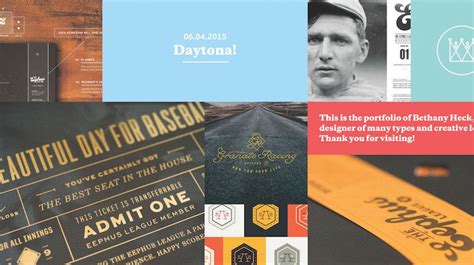
Whether digital or physical, the presentation of your work must be impeccable. For digital portfolios, this means professional, high-resolution photographs or scans of your artwork, ensuring accurate color representation and sharp detail. Invest in good lighting, a quality camera, or professional photography services if necessary. Blurry, poorly lit, or color-shifted images will immediately diminish the perceived value of your art.
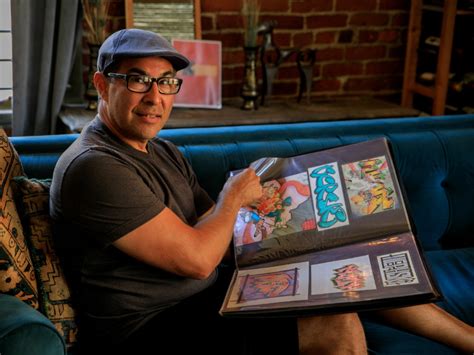
For physical portfolios, use high-quality prints, durable binders or cases, and ensure everything is clean, pristine, and well-organized. Matting and framing choices, even for display purposes, should enhance, not detract from, the artwork itself.
The Power of the Artist Statement and Project Descriptions
While your art should speak for itself, a concise and compelling artist statement provides crucial context and depth. It articulates your artistic philosophy, influences, and the core ideas behind your work. Similarly, brief project descriptions for individual pieces or series can offer insights into your process, intentions, or the stories behind the art. Keep these texts clear, professional, and free of jargon.
Digital vs. Physical: Strategic Showcase
Most artists today need both a strong online presence and, often, a concise physical portfolio. Your digital portfolio (website, online gallery, social media) should be easily navigable, mobile-responsive, and regularly updated. Platforms like ArtStation, Behance, or your own dedicated website are excellent for this purpose. Ensure loading times are fast and contact information is prominent.
A physical portfolio is still invaluable for in-person meetings, studio visits, or exhibitions. It offers a tactile experience that digital platforms cannot replicate. Tailor the format and content of each to suit its specific context and audience.
Regular Review and Refinement
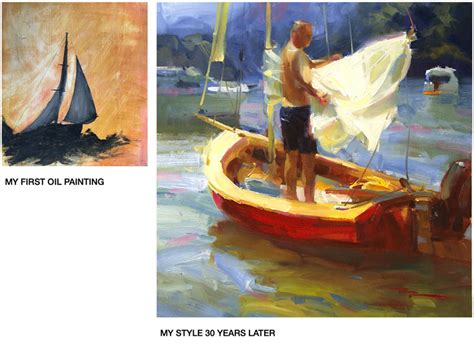
Your artistic journey is ongoing, and so too should be the evolution of your portfolio. Schedule regular reviews – perhaps quarterly or annually – to assess your portfolio with fresh eyes. As your skills develop and your style matures, certain older pieces may no longer represent your best work. Continuously update, refine, and replace pieces to ensure your portfolio always reflects your peak performance and current artistic direction. This iterative process is key to maintaining an elegant, impactful, and relevant showcase of your artistry.

Conclusion
Curating a professional artist portfolio is an art in itself. By prioritizing quality, crafting a cohesive narrative, ensuring impeccable presentation, and strategically utilizing both digital and physical platforms, you can create a portfolio that not only showcases your incredible talent but also enhances your artistry and opens up a world of opportunities. Treat your portfolio as a living, evolving entity, and it will serve as a powerful testament to your creative potential.