




Best ways to guide customers on reviewing luxury items’ artistry and quality?
In the realm of luxury goods, a purchase transcends mere acquisition; it’s an investment in unparalleled artistry, meticulous craftsmanship, and superior quality. For customers to truly appreciate and accurately review these items, they need more than just a price tag – they need guidance. Empowering clients to articulate the nuances of a luxury product enhances their satisfaction and builds a more informed, discerning community.
Understanding the Pillars of Luxury: Artistry and Craftsmanship
Guiding customers begins with laying a foundational understanding of what constitutes true luxury. Artistry encompasses the creative vision, design philosophy, and aesthetic appeal, while craftsmanship refers to the skill, precision, and dedication applied during creation. Educate customers on the importance of original design, unique motifs, and the story behind the piece.

Detail the journey from raw materials to finished product. For example, in haute horlogerie, explain the complexity of a movement, the hand-finishing of components, or the rarity of materials like ethically sourced exotic leathers. Provide examples of specific techniques, such as saddle-stitching, intricate marquetry, or gem-setting methods, to help them identify and value these details.
The Tangible and Intangible Aspects of Quality
Materials: The Foundation of Excellence
Customers should be guided to scrutinize the materials used. Explain the difference between various grades of leather, precious metals, or gemstones. Highlight factors like grain, consistency, luster, and ethical sourcing. For textiles, discuss thread count, fiber origin, and weaving techniques that contribute to drape and durability.
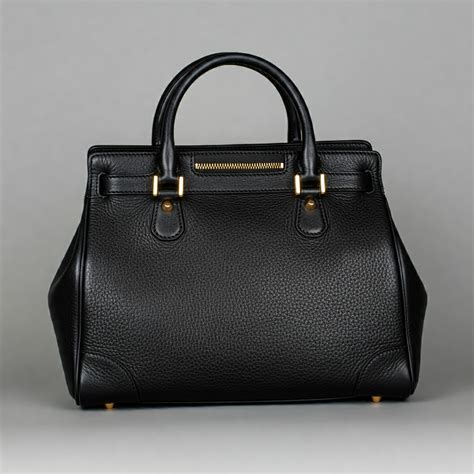
Encourage a multi-sensory approach. How does the silk feel against the skin? What is the subtle aroma of a fine leather bag? Does the weight of a watch feel balanced and substantial? These sensory cues are vital indicators of material quality and authenticity.
Construction and Finish: Marks of Superiority
Beyond materials, the construction and finish are critical. Guide customers to look for perfect alignment of seams, flawless stitching, and seamless transitions between different components. Explain how techniques like hand-polishing, edge painting, or precise engraving elevate a piece from good to exceptional. The interior of a luxury item often tells as much a story as its exterior – point out the quality of linings, internal pockets, and hidden compartments.
Empowering the Reviewer: Structure and Prompts
To solicit meaningful reviews, provide customers with a framework. Instead of a generic “Rate this product,” offer specific prompts:
- “What aspects of the design or aesthetics impressed you most?”
- “Describe the quality of the materials used (e.g., leather, metal, fabric) and how they feel.”
- “Were there any specific craftsmanship details (stitching, finishing, alignment) that stood out?”
- “How does this item’s quality compare to other luxury items you own or have experienced?”
- “Does the product live up to the brand’s reputation for artistry and quality?”
Consider offering a ‘deep dive’ review template or a checklist that guides them through inspecting various elements. Showcase examples of detailed, insightful reviews from other customers to set a benchmark and inspire thoroughness. Educating customers through videos demonstrating how to spot quality indicators or inviting them to ‘meet the artisan’ virtual events can also bridge the gap between perception and tangible appreciation.
The Role of Transparency and Brand Storytelling
Luxury brands thrive on authenticity. Guide customers by being transparent about sourcing, production processes, and the individuals behind the creations. Share the brand’s heritage, its values, and the inspiration behind collections. This storytelling adds immense value, allowing customers to connect emotionally with the artistry and understand the human effort and passion invested in each item. This narrative context makes their review richer, as they are evaluating not just an object, but a piece of a legacy.

Ultimately, guiding customers on reviewing luxury items’ artistry and quality is about transforming them into connoisseurs. It’s an investment in their understanding, fostering a deeper appreciation that resonates beyond the initial purchase, leading to more informed reviews and lasting brand loyalty.