


Best methods to gather authentic, detailed reviews on product artistry & elegant design?

Capturing the Essence: Why Design Feedback Matters
In a competitive marketplace, product functionality is often just one piece of the puzzle. The artistry, craftsmanship, and elegant design of a product increasingly influence purchasing decisions and customer loyalty. However, gathering nuanced, authentic, and detailed feedback on these subjective qualities can be challenging. Standard star ratings or general satisfaction surveys rarely scratch the surface of what makes a design truly resonate. This article explores the most effective methods to elicit meaningful insights into product aesthetics and design.
Moving beyond generic feedback requires a strategic approach that encourages customers to articulate their subjective experiences. Understanding how visual appeal, tactile qualities, and overall elegance impact user perception is crucial for refining future product iterations and enhancing brand value.
Strategic Survey Design & Questioning
Crafting Open-Ended Prompts
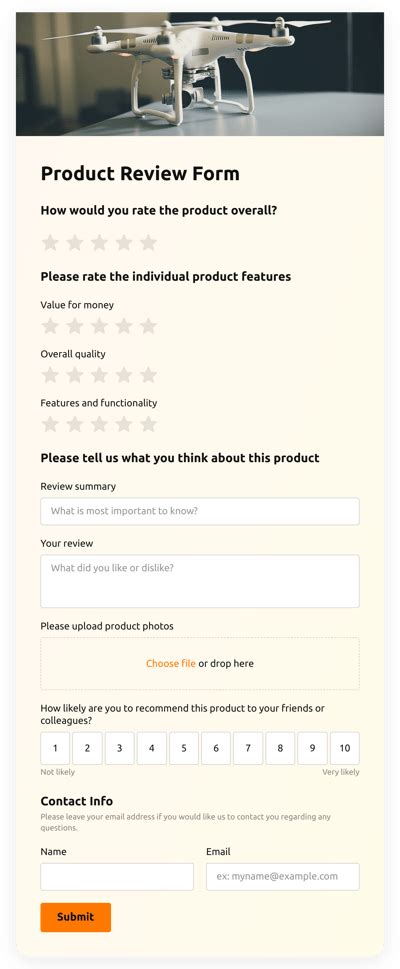
One of the most direct ways to gather detailed feedback on design is through well-crafted survey questions. Instead of simple yes/no or multiple-choice options, utilize open-ended prompts that encourage descriptive answers. Ask questions like: “What specific design elements did you find most appealing or unique?”, “How did the product’s finish, texture, or materials contribute to your overall impression?”, or “Describe how the product’s aesthetic fits into your home or lifestyle.” These questions prompt customers to think critically and articulate their subjective experience.
Utilizing Visual Scales and Comparisons
Beyond traditional Likert scales, consider incorporating visual scales where customers can rate design attributes against a spectrum of images, or even compare your product’s design to competitors (without naming them directly). This can help users who struggle to put their feelings into words to still provide valuable visual preferences. Presenting different design iterations or color palettes and asking for preferences can also yield actionable data.

Leveraging User-Generated Content (UGC)
Encouraging Photo & Video Submissions
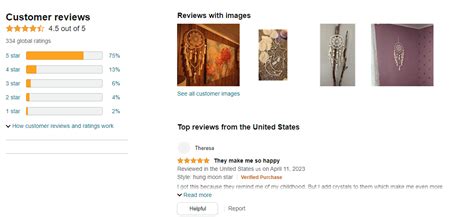
Visual proof is often the best form of feedback for design. Actively encourage customers to submit photos and videos of their products in use or displayed in their environment. Prompt them with specific requests: “Show us how the product’s design enhances your space,” or “Highlight your favorite aesthetic feature in a short video.” Offering incentives like discounts, contests, or features on your brand’s social media can significantly boost participation. UGC provides authentic, real-world context for how your design is perceived and appreciated.
Showcasing Visual Reviews
Create dedicated sections on your product pages or social media channels where you prominently display customer photos and videos. This not only encourages more submissions but also allows potential buyers to see the product’s design through the eyes of real users, building trust and showcasing its versatility and aesthetic appeal.
Direct Engagement: Focus Groups & Interviews
In-Depth Qualitative Insights
For truly deep dives into product artistry, focus groups and one-on-one interviews are invaluable. These methods allow for probing questions, follow-up inquiries, and observation of non-verbal cues. Facilitators can guide discussions specifically around design language, material choices, ergonomic elegance, and the emotional response evoked by the product’s appearance. This qualitative data can uncover subtleties that surveys might miss, such as a particular curve or finish that evokes a strong positive (or negative) feeling.
Observational Studies
Observing users as they unbox, interact with, and integrate the product into their lives can reveal profound insights into design. Pay attention to their initial reactions to the packaging, how they handle the product, and what features they naturally gravitate towards. These observations, combined with post-interaction interviews, provide a holistic view of the design’s impact.

Product Testing Programs & Influencer Collaborations
Curated Reviewer Panels
Establish a panel of discerning customers or individuals with an appreciation for design. Provide them with products and specific prompts to evaluate aesthetic features, craftsmanship, and overall elegance. These “design evangelists” can offer highly detailed and articulate feedback, often with an understanding of design principles that the average customer might not possess. Their insights can be crucial for fine-tuning premium products.
Partnering with Design-Focused Influencers
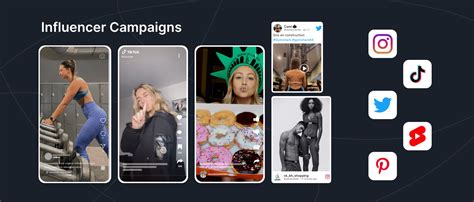
Collaborating with influencers, bloggers, or content creators who specialize in home decor, lifestyle, fashion, or product aesthetics can generate highly authentic and detailed reviews. These individuals have an audience that values design and are skilled at articulating their impressions visually and verbally. Their reviews, often featuring high-quality photography and videography, can highlight your product’s artistry in a compelling and credible way.
Website & Post-Purchase Feedback Prompts
Contextual Feedback Widgets
Integrate discrete feedback widgets or pop-ups on product pages, especially after a user has spent time viewing high-resolution images or 360-degree views. Prompt them with questions like: “What did you think of the product’s visual style?” or “How important is the material finish to your purchase decision?” Timing these prompts to specific engagement points ensures relevance.
Follow-Up Emails with Visual Prompts
In your post-purchase email sequences, include images of the product and ask for specific feedback on its look, feel, and how it has integrated into the customer’s life. Instead of just asking for a general review, direct them to comment on the “craftsmanship,” “elegance,” or “unique design elements.”
Conclusion
Gathering authentic, detailed reviews on product artistry and elegant design goes beyond traditional feedback mechanisms. It requires a thoughtful, multi-faceted approach that combines strategic questioning, visual engagement, direct qualitative methods, and targeted outreach. By implementing these methods, businesses can gain invaluable insights into the subjective impact of their designs, fostering continuous improvement and deeper connections with an audience that values aesthetics as much as functionality.