



Best prompts for exquisite craftsmanship & aesthetic detail in reviews?

In the vast ocean of product reviews, many often focus solely on functionality and basic utility. However, for products where artistry, quality of construction, and visual appeal are paramount – think handmade furniture, artisanal jewelry, high-end electronics, or bespoke fashion – a superficial review simply doesn’t do justice. To truly inform potential buyers and appreciate the creator’s effort, reviews need to delve into the exquisite craftsmanship and aesthetic details. But how can reviewers be guided to articulate these nuances effectively?
Cultivating a Keen Eye: Prompts for Visual Detail
The first step in appreciating craftsmanship is careful observation. Encourage reviewers to become visual detectives, noticing elements often overlooked. These prompts aim to sharpen their descriptive abilities for what they see.
- Material Mastery: How do the materials look and feel? Describe their texture, sheen, grain, and color depth. Are there any inconsistencies or flaws? How do they contribute to the overall impression of quality?
- Finish & Surface Treatment: Is the finish smooth, matte, glossy, or textured? Are there any brush strokes, sanding marks, or imperfections? How does the finish enhance or detract from the material’s natural beauty? Consider the uniformity and application.
- Symmetry & Balance: Does the product exhibit pleasing symmetry or intentional asymmetry? How are the different components balanced visually? Does it feel harmonious or does any part seem disproportionate?

Beyond Sight: Engaging All Senses for a Fuller Picture
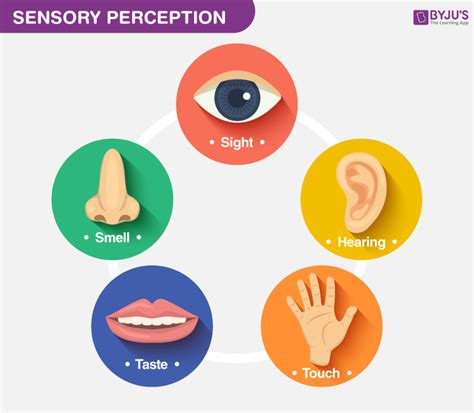
Craftsmanship isn’t just about what you see; it’s also about what you feel, and sometimes even what you hear or smell. Encouraging sensory descriptions adds a rich layer to any review.
- Tactile Experience: How does the product feel in your hands? Is it weighty or light? Smooth or rough? Does it feel robust and solid, or delicate? Describe the sensation of holding, touching, or wearing it.
- Auditory Feedback: For items with moving parts (e.g., hinges, clasps, buttons, mechanisms), what sounds do they make? Is there a satisfying click, a smooth glide, or a cheap rattle? Even the sound of a lid closing can speak volumes about construction quality.
- Olfactory Nuances: Does the product have a distinct smell? For natural materials like leather, wood, or certain textiles, this can be a key part of their appeal. Is the scent pleasant, neutral, or off-putting?
Deconstructing Construction: Prompts for Structural Integrity
True craftsmanship lies not just in superficial beauty but in the underlying structure and method of creation. These prompts guide reviewers to look into the ‘how’ and ‘why’ behind the product’s construction.
- Joinery & Seams: How are different parts joined together? Are the seams clean, tight, and inconspicuous? Look for evidence of strong, thoughtful construction (e.g., dovetail joints, seamless welding, precise stitching). Are there any gaps or visible glue?
- Hardware & Fittings: If the product includes hardware (zippers, buckles, fasteners, hinges), describe its quality. Does it feel sturdy? Operate smoothly? Does its finish match or complement the rest of the product?
- Durability & Longevity Indicators: Based on the materials and construction, how durable does the product seem? Are there any potential weak points? Does it feel built to last, or designed for temporary use?

The Art of Design: Prompts for Aesthetic Impact and Design Philosophy
Aesthetic detail goes beyond individual components; it’s about the holistic design and the emotional response it evokes. Help reviewers articulate the product’s overall artistic merit.
- Form & Function Harmony: How well does the product’s design serve its purpose? Does its beauty enhance its usability, or does form sometimes hinder function?
- Design Language & Style: What aesthetic style does the product embody (e.g., minimalist, ornate, rustic, modern, vintage)? How consistently is this style applied throughout? Does it feel original or derivative?
- Emotional Connection: Does the product evoke any particular feelings or associations? Does it feel luxurious, comforting, exciting, or unique? How does its beauty impact your overall experience?

Craftsmanship’s Narrative: The Story Behind the Piece
Sometimes, understanding the effort, skill, and philosophy behind a product can deepen the appreciation for its craftsmanship and aesthetic detail. While not always directly observable, these prompts encourage a more holistic view.
- Attention to Detail: Beyond the major components, where can you see meticulous attention to small details? (e.g., engraved logos, subtle textures, thoughtfully placed accents, clean internal wiring).
- Value & Worth: Considering all aspects of craftsmanship and aesthetic detail, does the product feel like it offers good value for its price? Does its quality justify its cost, or exceed expectations?
By employing these prompts, reviewers can move beyond superficial assessments to provide rich, descriptive, and truly insightful evaluations that highlight the exquisite craftsmanship and aesthetic beauty of a product. This not only benefits potential buyers but also honors the dedication and skill of the creators behind these meticulously crafted items.