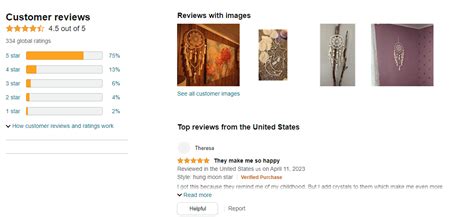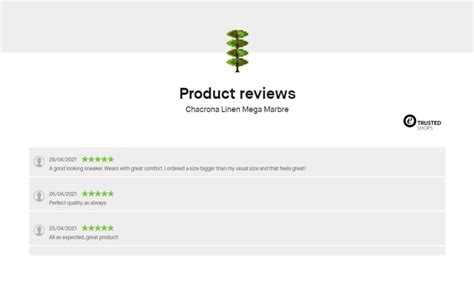





Beyond features, how do reviews articulate the experiential elegance of curated designs?

In a marketplace saturated with products, the conventional approach to reviews often fixates on quantifiable features: processor speed, screen resolution, material composition. While these specifications are undoubtedly crucial for understanding a product’s objective capabilities, they frequently fall short when attempting to convey the deeper, more nuanced value of truly curated designs. For products where aesthetics, tactility, and the overall user journey are paramount, a simple feature list can feel cold and incomplete. The challenge then becomes: how do product reviews transcend mere data points to articulate the inherent “experiential elegance” that defines thoughtful curation?
The Limitations of the Spec Sheet
Imagine trying to describe the comfort of a meticulously designed ergonomic chair or the immersive pleasure of a high-fidelity audio system solely through its technical specifications. While the chair’s lumbar support measurements or the speaker’s frequency response curves provide factual data, they fail to capture the subjective sensation of sinking into it after a long day or the thrill of hearing a favorite song with newfound clarity. Many products, particularly those in luxury goods, home decor, fashion, and even intuitive software interfaces, are not just about what they do, but how they make you feel and interact with your world.
The “why” behind a design choice – the deliberate selection of materials, the subtle curve of a handle, the seamless flow of a user interface – is an integral part of its value. Feature lists strip away this context, reducing a carefully crafted experience to a series of bullet points. This reductionism often leaves potential consumers with an incomplete picture, unable to truly grasp the product’s unique character or its potential to enrich their lives.

Defining Experiential Elegance in Curated Design
Experiential elegance isn’t just about superficial beauty; it’s a holistic sensation derived from impeccable design, thoughtful functionality, and an intuitive interaction that feels natural and refined. It encompasses the sensory details – the weight of an object in hand, the sound it makes, the texture of its surface – as much as its aesthetic appeal and seamless performance. Curated designs imply intentionality; every element is chosen and placed with purpose, contributing to a cohesive and often delightful experience. This deliberate orchestration elevates a product from merely functional to genuinely inspiring.
A review that captures this elegance delves into how these elements coalesce to create a distinct atmosphere or feeling. It’s about the quiet satisfaction of a magnetic clasp clicking perfectly into place, the effortless glide of a well-engineered drawer, or the harmonious visual balance of a room designed around a singular piece. These are the intangible qualities that transform a product from a commodity into a cherished item, often justifying a higher price point for discerning consumers.
The Language of Lived Experience
So, how do reviewers articulate these elusive qualities? They move beyond objective measurement into subjective description, employing evocative language that appeals to the senses and emotions. Instead of merely stating a material, they describe its “silky smoothness” or its “robust, reassuring heft.” Rather than listing an action, they narrate the “seamless transition” or the “intuitive flow” of an interaction. Metaphors, analogies, and personal anecdotes become powerful tools to translate an abstract feeling into relatable terms for the reader.
A review focusing on experiential elegance might describe the way a speaker fills a room with “warm, rich tones” that create a “cozy ambiance,” rather than just listing its wattage. It might detail how a piece of furniture doesn’t just “sit” in a room but “anchors” the space with its “timeless presence” and “inviting comfort.” This type of language doesn’t just inform; it transports the reader, allowing them to vicariously experience the product and imagine it within their own context.

Beyond Description: Storytelling and Emotional Resonance
The most compelling reviews often weave a narrative. They tell a story of how the product integrated into the reviewer’s life, how it solved a subtle problem, or how it simply brought unexpected joy. This storytelling approach allows for the communication of emotional resonance – the feeling of pride, calm, excitement, or satisfaction that a well-designed object can evoke. A reviewer might share how a particular kitchen gadget transformed their daily routine from a chore into a pleasure, or how a piece of art ignited a forgotten memory.
These narratives highlight the human element of design. They reveal how designers, through their careful curation, have anticipated needs and desires, crafting solutions that resonate on a deeper, emotional level. When a review conveys that a product isn’t just used, but truly experienced, it taps into the aspirations and values of potential buyers, creating a connection that transcends mere utility.

The Impact on Consumers and Creators
For consumers, reviews that articulate experiential elegance are invaluable. They provide the qualitative context necessary to make informed decisions, especially for products where personal preference and lifestyle integration are key. They help differentiate between merely good and truly exceptional, guiding buyers towards items that will genuinely enhance their daily lives and surroundings. Such reviews cultivate a more discerning consumer base, appreciative of thoughtful design.
For designers and brands, these reviews offer crucial feedback that goes beyond bug reports or feature requests. They illuminate whether their design intentions have translated into the desired user experience. Understanding how users feel about a product’s nuances can inspire further innovation and refinement, reinforcing the value of investing in meticulous curation and human-centered design principles. It validates the art and science behind their craft.

Conclusion
Ultimately, the most effective product reviews for curated designs serve as bridges between the tangible and the intangible. They acknowledge the essential role of features while daring to explore the subjective realm of aesthetics, emotion, and sensory engagement. By employing rich descriptive language, narrative storytelling, and an acute sensitivity to the nuances of user interaction, reviewers can paint a vivid picture of a product’s experiential elegance. In doing so, they not only guide consumers to make more meaningful purchases but also elevate the discourse around design, celebrating the profound impact of intentionality and craftsmanship in our everyday objects.