
Beyond watching: How to truly apply workshop artistry for elegant, personalized looks?
Attending a makeup workshop is an exhilarating experience. You watch skilled artists transform faces, learn about new products, and get a glimpse into professional techniques. But often, the challenge begins when you try to recreate those flawless looks on yourself. The mirror reflects something different, the techniques don’t quite translate, and the elegant artistry seems to disappear. This article will guide you beyond passive observation, showing you how to truly internalize and apply workshop knowledge to craft personalized, stunning looks.
Deconstructing the “Watch and Learn” Myth
Simply watching a demonstration, no matter how captivating, only scratches the surface of true learning. A professional artist applies makeup with intent, understanding the underlying principles of light, shadow, color theory, and facial anatomy. Without grasping these foundational elements, replicating a look becomes a game of ‘follow-the-leader’ rather than an act of informed artistry. The model in the workshop likely has different bone structure, skin type, and eye shape than you do, making a direct copy impractical and often unflattering.
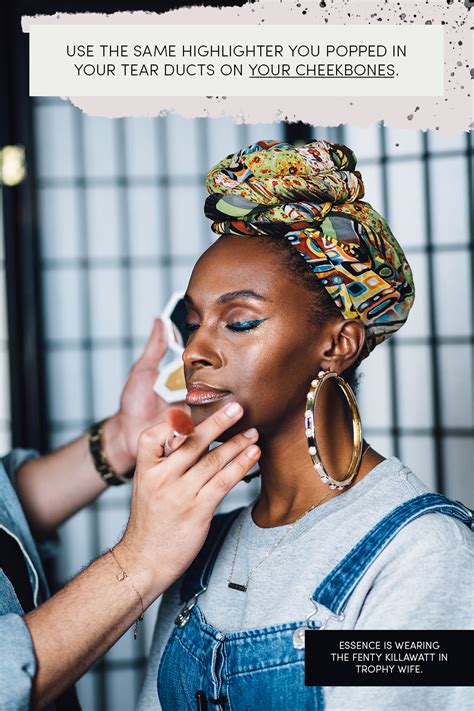
The key to bridging this gap lies in active engagement. During a workshop, don’t just observe; question the ‘why’ behind each stroke. Why is that specific brush used? Why is the contour placed there? What effect is the artist trying to achieve? Understanding the intention allows you to adapt the technique, rather than just mimic it.
Maximizing Your Workshop Experience: Active Learning Strategies
To truly absorb and later apply workshop artistry, you need to be an active participant, even when it’s a demonstration. Take detailed notes, not just on products, but on techniques, angles, pressure, and the reasoning behind each step. Many workshops offer hands-on components; seize these opportunities to practice immediately under expert guidance. This instant feedback loop is invaluable for correcting mistakes and solidifying new skills.
Focus on understanding the core principles being taught. For example, if the artist is demonstrating a cut crease, analyze why the crease is defined, how it creates depth, and where it should ideally sit on different eye shapes. Don’t just try to copy the exact lines they draw on the model.
Translating Artistry to Your Canvas: The Power of Personalization
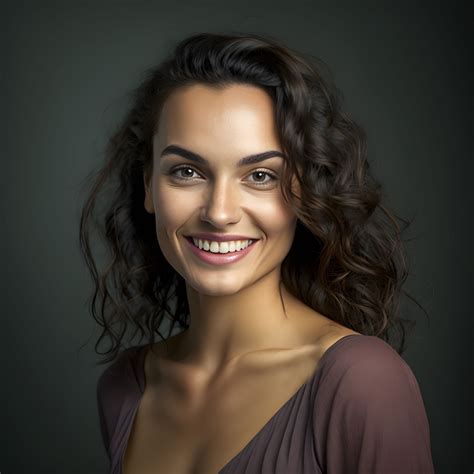
Your face is your unique canvas, and true artistry lies in enhancing its individual beauty. This means adapting workshop techniques to your specific features. Start by critically analyzing your own face: What is your face shape? Where do your cheekbones naturally recede? What is your eye shape – hooded, almond, round? What is your skin tone and undertone?
For instance, if a workshop teaches a dramatic winged liner, but you have hooded eyes, a direct replica might not work. Instead, understand the principle of elongating the eye and create a ‘bat wing’ or a softer, smudged line that lifts your outer corner without getting lost in the hood. Similarly, contouring techniques need to be adjusted based on your face shape to create natural shadows and highlights.
Product selection also plays a crucial role in personalization. While workshops introduce new products, remember that not every product works for everyone. Consider your skin type (oily, dry, combination), concerns (acne, redness), and lifestyle. An elegant look doesn’t necessarily mean using expensive products; it means using the right products for you in the right way.
Cultivating Your Signature Style: Elegance Through Experimentation
Elegance in makeup isn’t about following trends blindly; it’s about refining a look that feels authentic and beautiful on you. This process requires experimentation and consistent practice. Dedicate time to recreate workshop looks on yourself, tweaking and adjusting until they resonate with your features and personal style. Take photos from different angles to see what works and what doesn’t.
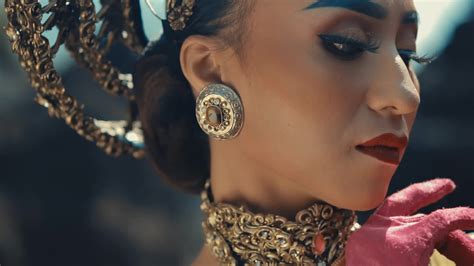
Think about balance. An elegant look often involves a focal point – perhaps a strong lip or a defined eye – with the rest of the makeup kept softer. Avoid overdoing it. Learn when to stop and how to blend seamlessly. The goal is to enhance, not mask, your natural beauty. Over time, you’ll develop a signature style that incorporates the techniques you’ve learned but is distinctly yours.
Conclusion: The Journey of Continuous Artistic Growth
Transforming workshop insights into elegant, personalized looks is an ongoing journey of learning, practice, and self-discovery. It moves beyond the passive role of a spectator to become an active artist on your own canvas. Embrace the process, be patient with yourself, and allow the artistry you’ve witnessed to inspire your unique expression of beauty. Your makeup workshops are not just events; they are springboards for your personal makeup mastery.