




Bridal artistry: How to select a veil that perfectly complements your gown and hairstyle?
The wedding veil is often considered the crowning glory of a bridal ensemble, a timeless accessory that adds an ethereal touch, drama, and tradition to the bride’s walk down the aisle. Far from being a mere afterthought, selecting the right veil is a crucial step in achieving a cohesive and breathtaking bridal look. It’s about more than just personal preference; it’s about understanding how this delicate piece of fabric interacts with the lines of your gown and the intricacies of your hairstyle.
The Essential Harmony: Gown and Veil
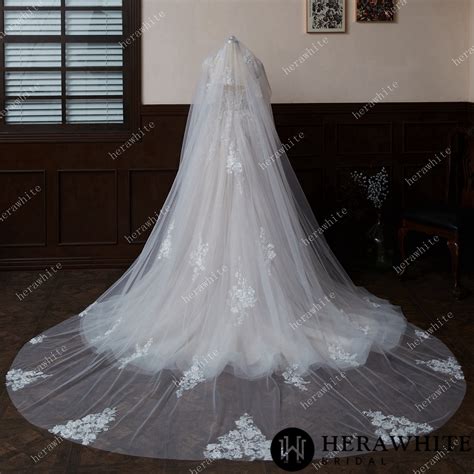
Your wedding gown sets the stage for your entire bridal aesthetic, and your veil must dance in harmony with it. Consider the silhouette of your dress: a dramatic ball gown often pairs beautifully with a long, cathedral-length veil for maximum impact, while a sleek, modern sheath might call for a shorter, more understated option like a birdcage or fingertip veil. The goal is to enhance, not overshadow, the gown’s design.
Pay close attention to your gown’s embellishments. If your dress is heavily beaded, laced, or features intricate embroidery, a simpler veil with minimal detailing will prevent visual clutter. Conversely, a minimalist gown can be beautifully elevated by a veil with a delicate lace trim, scattered pearls, or subtle sparkle, adding texture and interest without competing. Always match the shade of your veil to your dress – even subtle differences in white or ivory tones can be noticeable.
Frame Your Face: Complementing Your Hairstyle
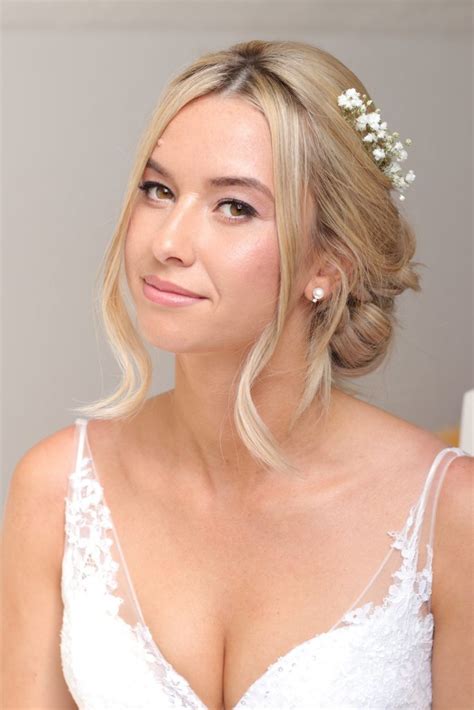
Your chosen wedding hairstyle plays a pivotal role in veil selection and placement. An elaborate updo might be best showcased with a veil attached underneath the bun or chignon, allowing the intricate details of your hair to shine. For brides opting for flowing, down-dos or half-up styles, a veil that drapes softly over the shoulders or is secured with a decorative comb might be ideal.
The placement of the veil on your head can dramatically alter your look. High placement can add height and drama, while lower placement at the crown or nape of the neck offers a softer, more romantic feel. If you plan to wear a tiara, headband, or other hairpiece, ensure your veil can be comfortably and securely anchored without detracting from the accessory. Always discuss your veil and hairstyle ideas with your stylist well in advance.
Deciphering Veil Lengths and Styles
The world of wedding veils offers a dazzling array of lengths and styles, each imparting a distinct vibe. Common lengths include: the chic Birdcage (covering just the face), Shoulder (grazing the shoulders), Elbow (reaching the elbow), Fingertip (extending to the fingertips), Waltz (between fingertip and floor), Chapel (floor-length, extending slightly), and Cathedral (dramatically trailing beyond the gown). Your venue and the formality of your wedding can help guide this choice; a cathedral veil might be too cumbersome for an intimate garden wedding, for example.
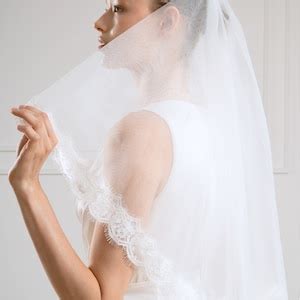
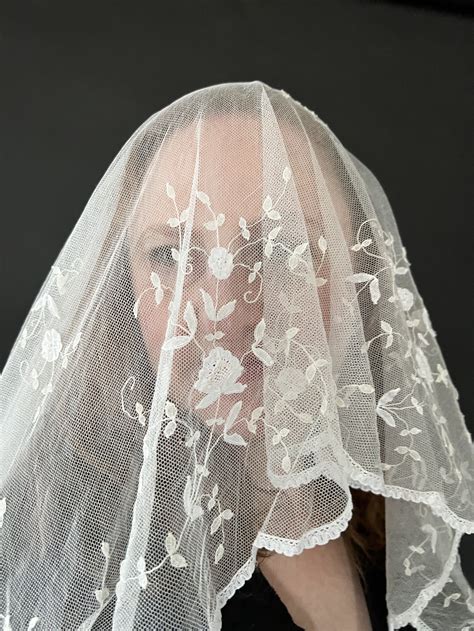
Beyond length, consider the style. A Mantilla veil, often edged with lace, frames the face beautifully and offers a traditional, Spanish-inspired look. A Blusher veil offers a classic, romantic touch, allowing you to be unveiled at the altar. Two-tier veils provide versatility, offering both a blusher and a longer layer. Drop veils create a seamless, ethereal look without visible gathers. Each style carries its own unique charm and impact on your overall silhouette.

Materials, Embellishments, and Personal Touch
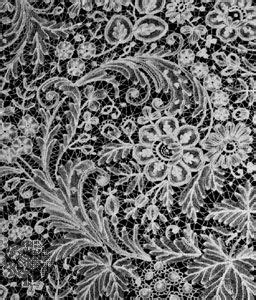
The fabric and embellishments of your veil are just as important as its length and style. Tulle is the most common material, ranging from soft and flowing to stiffer varieties that hold more shape. Silk tulle offers a luxurious drape, while illusion tulle is nearly invisible, creating an ethereal floating effect. Consider lace trims that echo the lace on your gown, or subtle beading that catches the light without overwhelming the eye.
Don’t be afraid to try on veils with different levels of embellishment, even if you think you know what you want. Sometimes, a plain veil can be the perfect complement to an ornate dress, or a subtly embellished veil can add just enough sparkle to a simpler gown. This is where your personal style and comfort come into play, ensuring the veil feels like an authentic extension of you.
The Final Fitting: Bringing It All Together
The most critical step in selecting your veil is to try it on with your actual wedding gown, shoes, and any other hair accessories. This will give you the most accurate representation of your complete look. Move around, sit down, and practice walking to ensure the veil feels comfortable and doesn’t snag or pull. Take photos from different angles to see how it photographs and to get an objective view.
Listen to the advice of your bridal consultant or stylist, but ultimately, trust your instincts. The perfect veil will make you feel confident, beautiful, and utterly bridal. It’s the piece that will tie your entire look together, adding that final, magical touch to your special day.
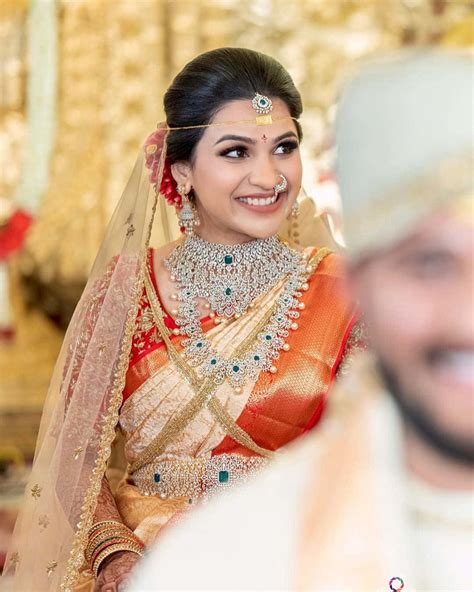
Choosing your wedding veil is an exciting part of the bridal journey. By considering your gown’s style, your chosen hairstyle, and exploring the diverse world of veil lengths and embellishments, you can confidently select a veil that not only complements your entire look but also enhances the magic of your wedding day, creating a truly unforgettable vision.