




Crafting review prompts to elicit feedback on design, materials, and artisanal quality?
The Art of Eliciting Meaningful Product Feedback
In the competitive landscape of high-quality products, generic five-star ratings simply don’t cut it. To truly understand customer satisfaction and drive continuous improvement, businesses need rich, detailed feedback that delves into the nuances of their offerings. Crafting effective review prompts is paramount to unlocking this invaluable insight, especially when your products are distinguished by their design, the quality of their materials, and exceptional artisanal craftsmanship.
Why Specific Prompts Matter
Customers often want to share their experiences but may not know how to articulate them effectively. Vague prompts like “How was your product?” yield vague responses. Conversely, well-constructed prompts act as guides, encouraging users to consider specific aspects of their purchase. This specificity is crucial for designers, material sourcing teams, and artisans alike, providing actionable data they can use to refine and perfect their creations.

Unpacking Design Feedback: Aesthetics, Functionality, and Experience
Design encompasses more than just how something looks; it’s about the overall user experience, ergonomics, and the emotional connection a product fosters. When seeking feedback on design, consider prompts that touch upon these multifaceted elements.
Prompts for Design Evaluation:
- Visual Appeal: “What was your first impression of the product’s aesthetic? Does it match the photos, and how does it fit with your personal style or home decor?”
- Functionality & Usability: “How intuitive was the product to use or set up? Did you encounter any unexpected delights or frustrations in its practical application?”
- Ergonomics & Comfort: “If applicable, how does the product feel in hand or interact with your body? Is it comfortable, well-balanced, and easy to manipulate?”
- Problem Solving: “How well does this product solve the problem or fulfill the need you purchased it for? Were there any features that particularly stood out or fell short?”

Evaluating Materials: Quality, Durability, and Sensory Experience
For products where materials are a significant selling point – be it genuine leather, sustainable wood, or high-performance fabrics – detailed feedback on their quality is non-negotiable. Customers often have a keen sense of touch and an expectation of durability.
Prompts for Material Quality Assessment:
- Tactile & Sensory Feel: “Describe the feel of the materials. Are they smooth, rich, sturdy, or soft? How do they contribute to the overall premium impression of the product?”
- Perceived Durability: “Based on your initial impressions or usage, how durable do the materials seem? Do they feel robust enough to withstand regular use?”
- Finish & Craftsmanship of Materials: “Are there any specific aspects of the material’s finish – like stitching, grain, or polish – that you particularly appreciate or notice?”
- Sustainability & Sourcing (if relevant): “If you considered the sustainability aspects, how well do you feel the materials align with your expectations for ethical or environmentally friendly sourcing?”
Assessing Artisanal Quality: Craftsmanship and Attention to Detail
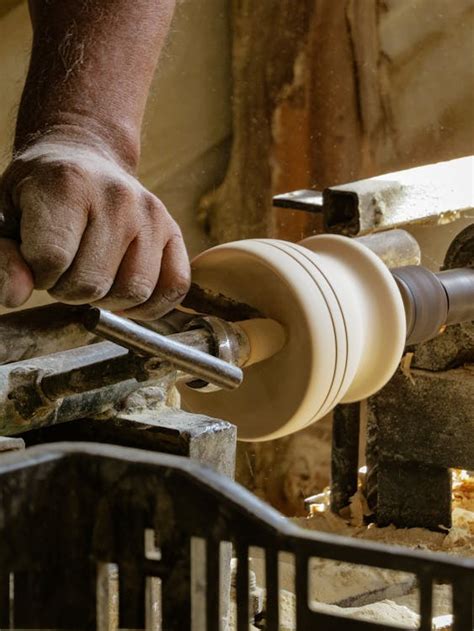
The ‘artisanal quality’ is what often sets handcrafted or meticulously manufactured items apart. This speaks to the skill, precision, and care invested in the product’s creation. Capturing feedback here requires prompts that highlight these subtle yet significant details.
Prompts for Artisanal Quality & Craftsmanship:
- Attention to Detail: “What small details, if any, caught your eye and impressed you about the craftsmanship? (e.g., seams, joints, engravings, hand-painted elements).”
- Consistency & Precision: “How would you describe the overall level of finish and precision in the product’s construction? Does it feel expertly made?”
- Uniqueness & Character: “Does the product possess a unique character or feel handmade? How does this artisanal touch contribute to its value for you?”
- Longevity of Craft: “Based on the construction, do you anticipate this product will age gracefully or hold up well over time due to its build quality?”
Best Practices for Implementing Feedback Prompts
Beyond the specific questions, the method of deployment also influences the quality of feedback. Always strive for a balance between detail and user effort.
- Keep it Concise: While detailed, avoid overwhelming users with too many mandatory questions. Offer optional fields for deeper dives.
- Use Open-Ended Questions: These encourage descriptive answers rather than simple ‘yes/no’ responses.
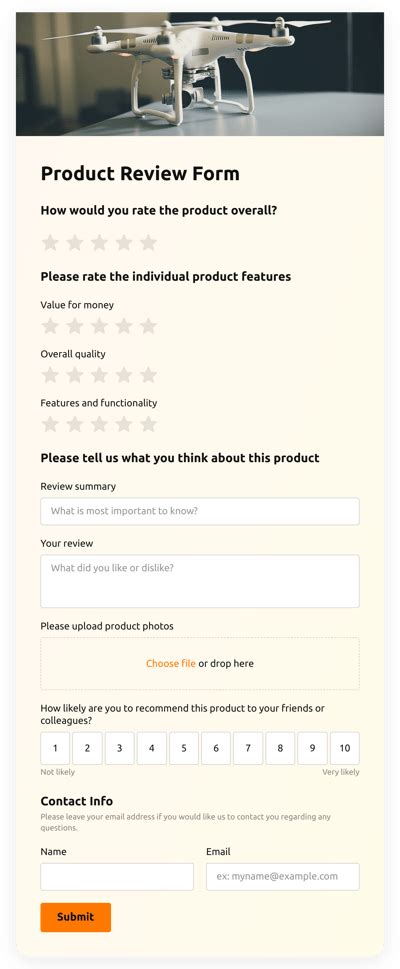
- Combine with Ratings: Pair specific questions with a 1-5 star rating system for each category (design, materials, craftsmanship) to get both quantitative and qualitative data.
- Follow-Up Opportunities: Consider offering a way for customers to upload photos or videos to visually support their feedback, especially for design and material issues.
- Timing is Key: Send review requests after the customer has had sufficient time to use and experience the product.

Conclusion
By strategically crafting review prompts that specifically target design, materials, and artisanal quality, businesses can transform generic feedback into a powerful tool for innovation and customer satisfaction. This meticulous approach not only helps refine existing products but also fosters a deeper connection with customers who feel heard and valued. Invest in thoughtful prompts, and you invest in the continuous excellence of your brand.