



Curate Pro Artist Portfolio for enhanced artistry & defined elegance?

The Cornerstone of an Artist’s Professional Journey
In the vibrant and competitive world of art, a professional artist portfolio is far more than a mere collection of works; it’s a powerful narrative tool, a visual resume, and a statement of your artistic identity. For the serious artist aiming for enhanced artistry and defined elegance in their professional presentation, curating a portfolio is a strategic endeavor. It’s about showcasing not just what you create, but who you are as an artist, your vision, your skill, and your unique contribution to the art world.
A well-crafted portfolio doesn’t just display talent; it communicates professionalism, invites engagement, and opens doors to galleries, commissions, and collaborations. It bridges the gap between your creative practice and your career aspirations, presenting your work in the best possible light and leaving a lasting impression on viewers.
Strategic Selection: Quality Over Quantity
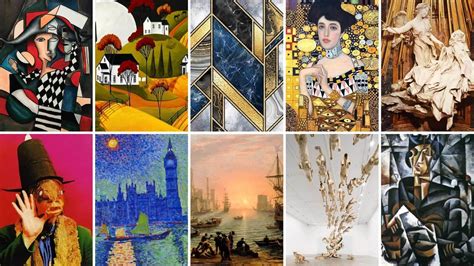
The foundation of an impactful portfolio lies in judicious selection. Resist the urge to include every piece you’ve ever created. Instead, focus on your strongest, most cohesive works that best represent your current style, thematic interests, and technical proficiency. Aim for consistency in aesthetic or conceptual direction to demonstrate a clear artistic voice.
Consider the purpose of your portfolio: are you applying for a gallery exhibition, seeking a specific commission, or aiming to attract a particular type of client? Tailor your selection to align with these goals, highlighting pieces that resonate most with your target audience. Often, fewer, exceptionally strong pieces are more effective than a large, inconsistent collection.

The Art of Presentation: Defined Elegance in Display
Once you’ve meticulously selected your pieces, the presentation becomes paramount. High-quality imagery is non-negotiable; professional photography or scanning that accurately captures color, texture, and detail is crucial. Blurry, poorly lit, or badly cropped images can severely detract from even the most brilliant artwork.
Beyond the images themselves, the overall layout and design of your portfolio should exude professionalism and elegance. Whether digital or physical, ensure clean lines, logical flow, and unobtrusive branding. Provide essential contextual information for each piece: title, year, medium, dimensions, and a brief conceptual statement if relevant. This adds value and depth to the visual experience.

Digital vs. Physical: A Synergistic Approach
In today’s interconnected world, a strong online presence is indispensable. A dedicated artist website, perhaps supplemented by platforms like Behance or ArtStation, allows for global reach and constant accessibility. Ensure your digital portfolio is user-friendly, responsive across devices, and professionally designed. It serves as your 24/7 storefront and introduction.
However, don’t underestimate the power of a physical portfolio for specific, high-stakes interactions – gallery visits, art fairs, or client meetings. A beautifully bound physical book or well-organized presentation case can offer a tactile, immersive experience that a screen cannot replicate, showcasing scale and texture in a direct way. Maintain consistency in content and branding between your digital and physical presentations.

Crafting Your Narrative: Beyond the Visuals
Your portfolio should not only show your work but also tell your story. Include a concise yet compelling artist statement that articulates your artistic philosophy, influences, and creative process. This helps viewers understand the deeper meaning behind your art.
A professional artist biography detailing your education, exhibitions, awards, and significant achievements adds credibility and establishes your professional standing. These textual elements transform your portfolio from a mere collection into a coherent narrative, deepening the viewer’s engagement and appreciation for your unique artistic journey.
Regular Review and Evolution: A Living Document
A professional artist portfolio is not a static entity; it’s a living document that should evolve with your artistic practice. Regularly review and update your portfolio to include your strongest new works, remove older pieces that no longer represent your best, and refine your statements and bio. Seek feedback from trusted peers, mentors, or art professionals to gain fresh perspectives.
Tailor your portfolio for different opportunities. A portfolio for a public art commission might emphasize large-scale works and community engagement, while one for a fine art gallery might focus on conceptual depth and technical mastery. This adaptability ensures your portfolio remains a relevant and powerful tool for career advancement.
The Power of a Polished Portfolio
Curating a professional artist portfolio for enhanced artistry and defined elegance is an investment in your career. It’s an exercise in self-reflection, strategic planning, and meticulous presentation that culminates in a compelling representation of your creative talent. A polished portfolio elevates your brand, attracts the right opportunities, and solidifies your position as a serious and dedicated professional in the art world. Embrace the process, and let your portfolio speak volumes about your artistic journey and aspirations.