

Curated reviews: What prompts encourage users to detail true artistry & elegance?
Beyond the Basics: Unlocking Aesthetic Appreciation in Reviews
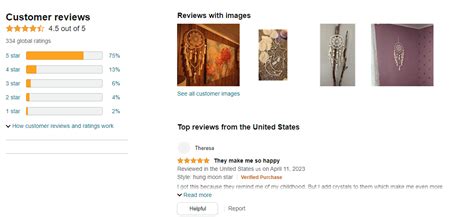
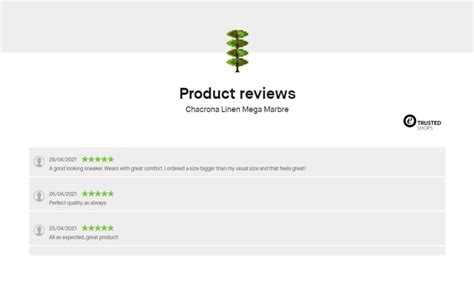
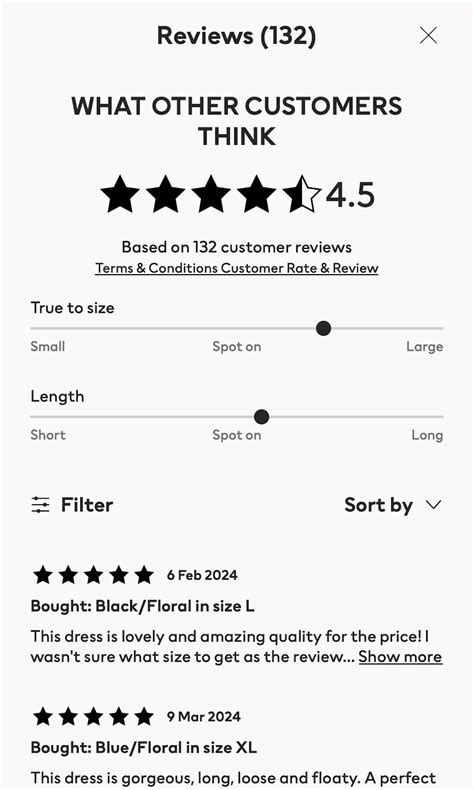
In the vast landscape of online product reviews, quantitative metrics like star ratings and simple pros-and-cons lists often dominate. While these are useful for quick decision-making, they frequently fall short when it comes to capturing the intricate details, the sensory experiences, and the sheer artistry that define truly elegant products. For businesses curating high-end, artisan, or design-focused items, encouraging users to articulate true artistry and elegance in their feedback is paramount. It elevates the product’s perceived value and creates a richer, more persuasive narrative for potential buyers.
The challenge lies in moving users beyond surface-level observations to delve into the ‘why’ and ‘how’ of a product’s aesthetic impact. This requires a deliberate shift from generic questions to those that prompt reflection, evoke emotion, and invite descriptive language. When users articulate what makes something beautiful or elegant, they don’t just review a product; they tell a story, share an experience, and become a brand’s most authentic advocates.
Crafting Prompts That Inspire Profound Detail
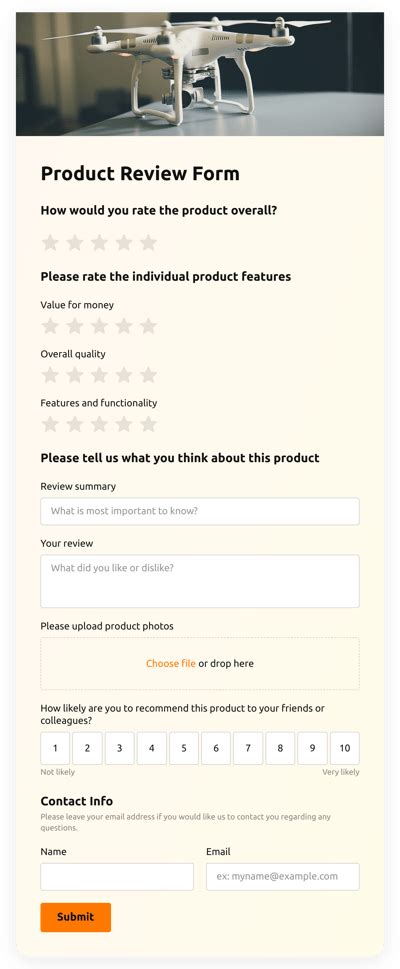
To elicit reviews that sing praises of artistry and elegance, prompts must be designed with intention. Instead of asking “Do you like it?”, consider questions that guide users to explore specific facets of design, craftsmanship, and sensory appeal. The goal is to make the reviewer pause, observe, and translate their subjective experience into objective, descriptive language.
Evoking Sensory and Emotional Responses
One powerful strategy is to tap into the senses. Artistry and elegance are often felt before they are rationally understood. Prompts should encourage users to describe textures, colors, sounds, and even smells, where applicable. For example:
- “Describe the tactile experience of holding/using this item. What does its material convey?”
- “How does the visual design of this product make you feel? Does it evoke tranquility, excitement, sophistication?”
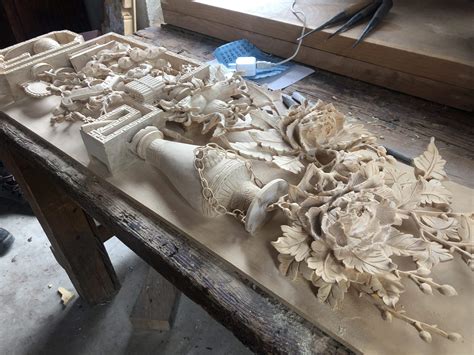
- “What specific details in its craftsmanship stood out to you? Was it the stitching, the finish, the unique joinery?”
Guiding Towards Design Principles and Craftsmanship
Many users may not have the vocabulary of a designer or artisan, but they can still appreciate good design if prompted correctly. Questions should gently lead them to notice elements that contribute to elegance:
- “Consider the lines and form of the product. How do they contribute to its overall aesthetic appeal?”
- “In what ways does the design demonstrate thoughtfulness or meticulous attention to detail?”
- “How does the choice of materials enhance its perceived quality and elegance?”
Contextualizing Elegance Through Personal Narrative
Elegance often shines brightest within a personal context. Encourage users to share how the product integrates into their lives or spaces, and how it elevates their daily experience. This personal narrative adds depth and relatability to the review.
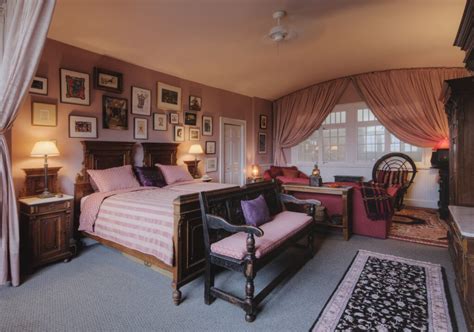
- “Where have you placed this item, and how has it transformed the ambiance of that space?”
- “Does this product align with a particular aesthetic or lifestyle you aspire to? How so?”
- “Imagine explaining the beauty of this product to a friend – what would you highlight first?”
Leveraging Exemplars and Community
Sometimes, users simply need a reference point. Showcasing exemplary detailed reviews (with permission) can serve as a guide for others, demonstrating the kind of depth and description that is valued. Additionally, fostering a community where detailed reviews are acknowledged and celebrated can incentivize higher-quality contributions. Gamification elements, like ‘most descriptive reviewer’ badges, can also play a role.

Measuring the Impact of Curated Prompts
The success of these detailed prompts isn’t just about getting more words; it’s about the quality and richness of those words. Businesses should analyze the content of reviews, looking for recurring themes, specific descriptive language, and emotional resonance. A/B testing different prompts can reveal which questions most effectively unlock the desired level of detail and appreciation for artistry and elegance. Iteration based on these insights is key to continually refining the review-gathering process.

Conclusion
Encouraging users to detail true artistry and elegance in their reviews is an investment in a brand’s narrative and perceived value. By moving beyond utilitarian questions and embracing prompts that inspire sensory description, emotional connection, and an appreciation for craftsmanship, businesses can transform their review sections into compelling showcases of their products’ true beauty and sophistication. These curated insights not only inform future customers but also provide invaluable feedback for product development and brand storytelling, creating a richer, more authentic online presence.