


Curating tutorials: How to build an elegant, personalized makeup skill set effectively?
Beyond Generic: Why Personalization is Key
In a world overflowing with makeup tutorials, it’s easy to get lost. While countless videos promise a flawless face, blindly following every trend or technique can lead to frustration, wasted products, and a makeup look that doesn’t quite feel like ‘you’. The secret to truly elegant and effective makeup lies not in replication, but in curation and personalization. This article will guide you through building a bespoke makeup skill set that enhances your unique features and reflects your individual style.
Understanding Your Unique Canvas
Before you even think about brushes and palettes, the first step is to know yourself. Your face is your canvas, and understanding its nuances is paramount to building a personalized skill set.

Self-Assessment Checklist:
- Face Shape: Is it oval, round, square, heart, or long? This influences contouring, blush placement, and brow shaping.
- Skin Type & Concerns: Oily, dry, combination, sensitive? Are you dealing with acne, redness, or hyperpigmentation? This dictates product choice and application technique.
- Eye Shape: Hooded, almond, monolid, round? Each requires specific eyeliner and eyeshadow approaches.
- Features & Proportions: Are your lips full or thin? Brows sparse or bushy? How do your features relate to each other?
- Personal Style: Do you lean towards natural, dramatic, vintage, or modern looks? What colors do you love?
Take notes on these aspects. This detailed self-assessment will be your filter for selecting relevant tutorials.
Finding Your Trusted Guides: Navigating the Tutorial Landscape
With your self-assessment in hand, it’s time to seek out tutorials. Not all creators are equal, and not all advice is right for you. Look for diversity in creators – those who share similar features or skin tones, as well as professional artists who offer universal techniques.
Where to Look:
- YouTube Channels: Search for specific concerns (e.g., “makeup for hooded eyes over 40” or “foundation for oily skin”).
- Beauty Blogs & Websites: Often provide detailed written instructions and product recommendations.
- Professional Makeup Artists: Follow reputable artists on social media for insights and masterclasses.
- Brands: Many makeup brands offer tutorials on how to use their products effectively.
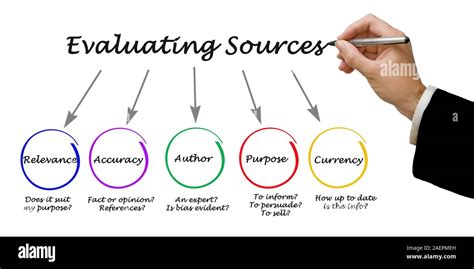
Prioritize creators who explain the ‘why’ behind their techniques, not just the ‘how’. Understand that different techniques work for different people, and what looks good on one person might not translate directly to another.
Crafting Your Bespoke Curriculum
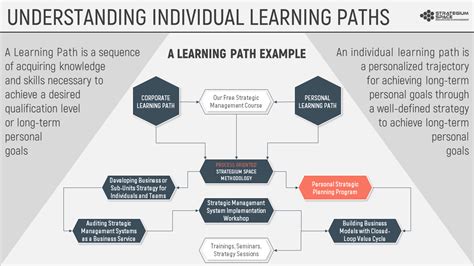
Now, the real curation begins. Instead of watching random videos, build a structured learning path based on your self-assessment and goals. Think of it as creating your own personalized makeup school curriculum.
Strategic Selection & Filtering:
- Start with Fundamentals: Master basics like skincare prep, foundation matching and application, concealer, and simple brow filling. These are the building blocks.
- Address Your Challenges: If your biggest struggle is winged eyeliner, focus on tutorials specifically for your eye shape. If you have rosacea, seek out color-correcting and concealing techniques.
- Build in Layers: Once you’ve mastered the basics and addressed core challenges, you can explore more advanced techniques like contouring, highlighting, intricate eyeshadow looks, or lip art.
- Experiment with Styles: Choose tutorials that align with your personal style. If you rarely wear dramatic looks, don’t spend all your time on intense cut creases.
Create playlists or bookmarks for tutorials you want to try. Don’t overwhelm yourself; focus on one or two new skills at a time until you feel confident.
Practice, Experiment, and Document Your Progress
Watching tutorials is only half the battle; applying the knowledge is where true skill develops. Dedicate time for practice, just like any other skill.
Effective Practice Strategies:
- Dedicated Sessions: Set aside 30-60 minutes specifically for practicing a new technique. Don’t rush it.
- Mirror, Mirror: Use a good quality mirror, ideally with adjustable lighting, to see your work clearly.
- Experiment & Adapt: Don’t just copy. Try applying a technique differently – perhaps a lighter hand, a different brush, or a slightly modified product placement. See what works best for your features.
- Document Your Journey: Take photos of your practice sessions, especially before and after. Keep a small journal of what worked, what didn’t, and what products you used. This visual and written record is invaluable for tracking progress and refining your approach.

The Continuous Evolution of Your Craft
Makeup is an art form that constantly evolves, both in terms of trends and your personal skill set. Building an elegant, personalized skill set isn’t a one-time event but an ongoing journey of learning and refinement.
Refinement & Adaptation:
- Regular Review: Periodically review your skills. Are there areas that still feel challenging? Are there new techniques you’d like to try?
- Stay Inspired: Follow new artists, explore different cultures’ beauty standards, and stay open to new products and innovations.
- Embrace Imperfection: Not every look will be perfect, especially when experimenting. View ‘mistakes’ as learning opportunities.
- Discard What Doesn’t Serve You: Just as you curate tutorials, curate your techniques. If a certain method or product doesn’t work for you, let it go. Your personalized skill set should empower you, not constrain you.
By diligently curating tutorials and practicing thoughtfully, you’ll not only develop a profound understanding of makeup but also cultivate a truly elegant and authentic personal style that enhances your natural beauty.