
Develop review prompts eliciting specific, detailed feedback on luxury craftsmanship?

The Imperative of Detailed Feedback for Luxury Brands
In the realm of luxury, a product’s value extends far beyond its utility; it’s intricately tied to its story, exclusivity, and, most critically, its craftsmanship. For discerning consumers, the tactile experience, the precision of stitching, the luster of materials, and the heritage behind its creation are paramount. Generic reviews like “it’s good” or “I love it” simply don’t cut it. Luxury brands require specific, detailed feedback to truly understand how their meticulous artistry resonates, identify areas for subtle refinement, and reinforce their commitment to unparalleled quality. The challenge lies in developing review prompts that empower customers to articulate these nuanced observations.

Understanding the Nuances of Luxury Craftsmanship
Before crafting effective prompts, it’s essential to dissect what constitutes ‘luxury craftsmanship.’ It’s a multi-faceted concept encompassing:
- Materials: The origin, quality, texture, and finish of raw materials (e.g., full-grain leather, precious metals, conflict-free gemstones, rare woods, fine silks).
- Technique: The skill, precision, and traditional or innovative methods employed in creation (e.g., hand-stitching, intricate joinery, complex mechanical movements, meticulous polishing).
- Attention to Detail: Every seam, clasp, engraving, and edge finish. Consistency, symmetry, and flawlessness.
- Durability & Longevity: The product’s ability to age gracefully, maintain its integrity, and withstand the test of time, often improving with use.
- Sensory Experience: How it feels to touch, the subtle scent of leather, the satisfying weight, the smooth glide of a zipper, the sound of a watch’s movement.
- Heritage & Narrative: The story of its making, the artisan’s skill, and the brand’s legacy.
Strategies for Crafting Eliciting Prompts
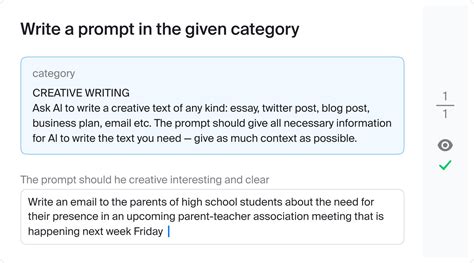
To move beyond superficial praise, prompts must guide reviewers to focus on specific attributes and sensory details. Here are key strategies:
1. Focus on Sensory Experiences
Encourage customers to describe how the product engages their senses. Luxury is inherently experiential.
- Instead of: “Do you like the material?”
- Try: “Describe the texture and feel of the [material, e.g., leather, cashmere]. Is it soft, supple, firm? How does it feel against your skin?”
- Try: “What subtle scents do you notice from the product, particularly the [specific component, e.g., leather, wood]?”
- Try: “How does the weight and balance of the [product] feel in your hand or on your person? Does it feel substantial, delicate, perfectly weighted?”
2. Break Down Components & Details
Direct attention to specific elements that showcase craftsmanship, rather than the product as a whole.

- Instead of: “Is the quality good?”
- Try: “Examine the stitching on the [specific area, e.g., strap, seam]. Is it uniform, tight, and free of loose threads? Describe its precision.”
- Try: “Detail your observations on the [hardware, e.g., clasp, buckle, zipper]. Does it operate smoothly, feel solid, and show a flawless finish?”
- Try: “How would you describe the finish and consistency of the [material, e.g., polished metal, wood grain]? Are there any imperfections or variations that stand out?”
3. Prompt for Comparison & Expectations
Luxury products often come with high expectations. Ask how the product meets or exceeds these.
- Try: “Compared to other luxury items you own, how does the [product’s specific attribute, e.g., finish, material quality] stand out or compare?”
- Try: “Did the actual craftsmanship meet or exceed your expectations based on the product description and brand reputation? Please elaborate on any particular aspects.”
4. Encourage Usage & Longevity Feedback
For items meant to last, early feedback on how they perform and age is valuable.

- Try: “After [X period] of use, how has the [material, e.g., leather] developed a patina? Describe any changes in its appearance or feel.”
- Try: “How has the product’s construction held up to daily use? Are all components (e.g., joints, seams, clasps) as secure and functional as day one?”
5. Use Open-Ended Questions with Specific Keywords
Structure questions that require descriptive answers, embedding terms related to craftsmanship.
- “What specific aspects of the product’s hand-finishing or artisanal details impressed you most?”
- “Please elaborate on the precision and consistency of the [specific element, e.g., watch movement, embroidery].”
- “Describe how the craftsmanship contributes to the overall sense of luxury and exclusivity you experience with this item.”
Examples of Specific Prompts by Product Type
For Leather Goods (Bags, Wallets, Belts):
- “Describe the grain, suppleness, and aroma of the leather. How does it feel to the touch?”
- “Examine the edges. Are they perfectly burnished, painted, or rolled? How smooth and even is the finish?”
- “Assess the interior lining and pockets. Is the stitching as neat and precise here as on the exterior?”
For Fine Jewelry & Watches:
- “Comment on the clarity, cut, and setting of any gemstones. How secure do they appear?”
- “For watches, describe the detail of the dial, the movement of the hands, and the feel of the crown and pushers. Is the ‘click’ satisfying and precise?”
- “Examine the engraving (if applicable). Is it crisp, deep, and perfectly aligned?”
For Luxury Apparel (Tailoring, Knitwear):
- “Detail the internal construction: the lining, interlining, and any hand-stitching visible inside. Does it contribute to the garment’s drape and comfort?”
- “Describe the feel and drape of the fabric. Is it consistent with your expectations for premium quality [material type]?”
- “How are the buttons attached? Do they feel secure and substantial? Are buttonholes perfectly finished?”
Beyond the Prompts: Maximizing Feedback Value
While well-crafted prompts are crucial, consider additional strategies:
- Visual Aids: Encourage users to upload high-resolution photos or videos that highlight specific details of craftsmanship they are describing.
- Follow-Up Questions: If a review is still too general, a moderator could ask specific follow-up questions privately or publicly (if appropriate).
- Educational Content: Provide brief guides within the review interface on what to look for in luxury craftsmanship (e.g., a mini-glossary of terms like ‘burnishing,’ ‘patina,’ ‘haute horlogerie’).
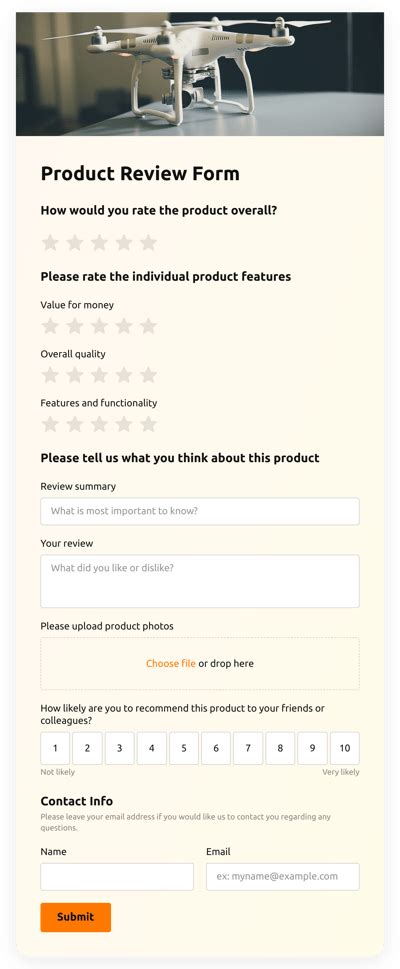
- Tiered Feedback: Allow for a general star rating, but also include a separate section for ‘Craftsmanship Detail’ where specific questions are mandatory.

Conclusion
Eliciting specific, detailed feedback on luxury craftsmanship is an art that requires a deep understanding of what makes these products exceptional. By moving beyond generic questions and focusing on sensory experiences, component breakdown, comparisons, and longevity, brands can empower their customers to become eloquent advocates and insightful critics. This granular feedback is invaluable for not only perfecting product lines but also for validating the brand’s dedication to the enduring principles of true luxury: quality, precision, and artistry.