

For ‘Artistry Enhanced, Elegance Defined,’ how should I curate & present my Pro Artist Portfolio?

Crafting Your Narrative: The Essence of Curated Excellence
Your professional artist portfolio is far more than a collection of your best works; it is a meticulously crafted narrative that speaks volumes about your artistic journey, technical prowess, and unique vision. For a portfolio to truly embody ‘Artistry Enhanced, Elegance Defined,’ every piece must serve a purpose, contributing to a cohesive story that captivates and persuades. The initial step lies in ruthless self-editing, selecting only the pieces that resonate most with your intended audience and professional goals. Ask yourself: Does this piece showcase my highest skill level? Does it align with the direction I want my career to take? Does it communicate my distinct artistic voice?
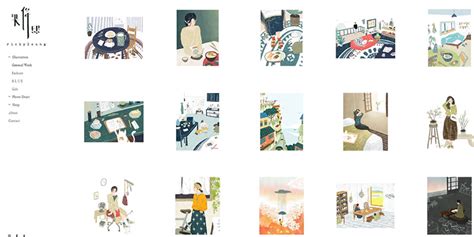
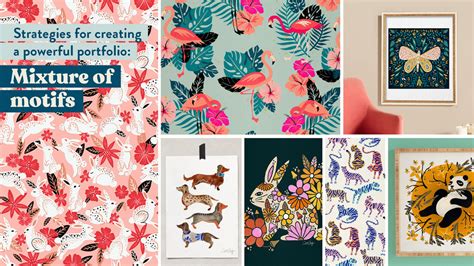
Prioritize quality over quantity. A smaller, impeccably curated selection of ten outstanding pieces will always be more impactful than a sprawling collection of fifty works with varying quality. Think about the flow and rhythm of your portfolio. Arrange your pieces in a sequence that creates a compelling visual journey, perhaps starting with a strong statement piece, demonstrating versatility, and ending with another memorable work.
Defining Elegance Through Presentation
Elegance in a portfolio extends beyond the artwork itself to its presentation. This applies equally to both physical and digital formats. For physical portfolios, consider the materials: archival quality prints, tasteful framing or matting, and a sophisticated presentation case. Consistency in branding – from your chosen font to your color palette – reinforces a professional image. Every element, from the binding to the clarity of your contact information, contributes to the overall impression of refinement.
Digital Portfolio Best Practices
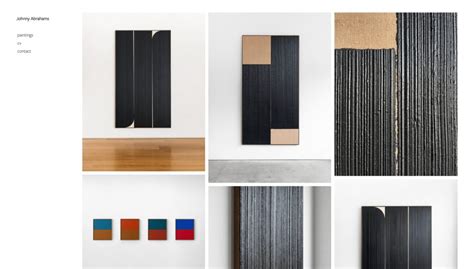
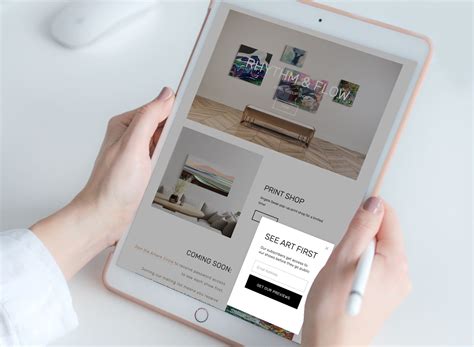
- High-Resolution Imagery: Ensure all images are professionally photographed, color-corrected, and high-resolution, optimized for web viewing without sacrificing detail.
- Intuitive Navigation: Your website or digital platform should be clean, user-friendly, and easy to navigate. Viewers should find what they’re looking for effortlessly.
- Consistent Branding: Maintain a consistent visual identity across your website, social media, and any other online presence.
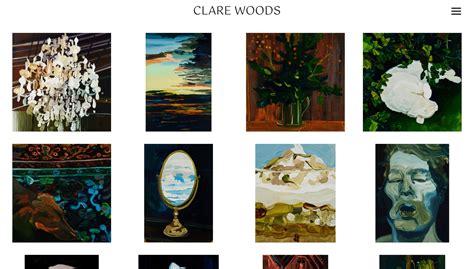
- Artist Statement & Bio: Include a concise, compelling artist statement and a professional bio that contextualizes your work and journey.
- Contact Information: Make it easy for potential clients or collaborators to reach you.
The Power of Context and Storytelling
Each piece in your portfolio should be accompanied by relevant contextual information. This doesn’t mean a lengthy essay for every artwork, but rather concise details that enhance understanding. For paintings or sculptures, include title, medium, dimensions, and year of creation. For digital art or design, you might add a brief project description, client, and tools used. This information grounds your artistry in professionalism and clarity.
Consider including a brief, impactful artist statement that articulates your philosophy, inspirations, and the conceptual framework behind your work. This helps viewers connect with your art on a deeper level, transforming a visual encounter into a more profound experience. Your statement is an opportunity to define your unique contribution to the art world and reinforce the ‘enhanced artistry’ you promise.
Feedback, Refinement, and Continuous Evolution
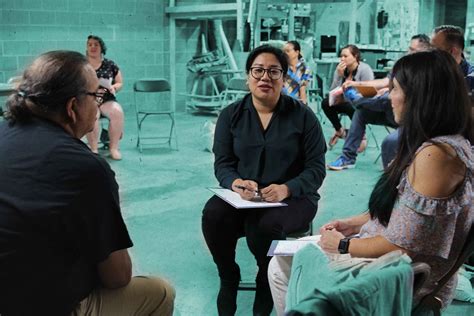
No portfolio is ever truly finished; it’s a living document that evolves with your career. Seek feedback from trusted mentors, peers, or industry professionals. An outside perspective can reveal blind spots or suggest improvements you hadn’t considered. Be open to constructive criticism and use it as a tool for refinement. Regularly review and update your portfolio to reflect your latest achievements and artistic growth. This commitment to continuous improvement is a hallmark of true professionalism and ensures your portfolio always projects an image of ‘Artistry Enhanced, Elegance Defined,’ ready to capture new opportunities and define your place in the art world.