



For luxury items, what review elements best convey exceptional craftsmanship and aesthetic appeal?

Reviewing luxury items goes far beyond evaluating functionality or basic utility. For products where price tags often soar into the thousands or even millions, consumers are seeking more than just an item; they are investing in an experience, a statement, and a testament to human ingenuity. To truly capture the essence of exceptional craftsmanship and undeniable aesthetic appeal, a luxury review must delve deeper, dissecting the intangible qualities that elevate an object from mere possession to cherished heirloom.
Beyond the Price Tag: The Nuance of Luxury Reviews
Unlike everyday consumer goods, luxury items demand a different critical lens. Their value is intrinsically tied to artistry, scarcity, legacy, and the emotional connection they forge with their owner. A compelling review must transcend objective specifications, painting a vivid picture of the product’s soul and its place in the pantheon of fine goods. This requires a nuanced approach, focusing on specific elements that resonate with the discerning luxury buyer.
The Foundation: Materiality and Sensory Experience
The journey into a luxury item’s appeal begins with its raw components. A review should meticulously detail the quality, sourcing, and treatment of materials. Is it full-grain leather that will develop a rich patina over time, or a rare alloy meticulously chosen for its specific properties? Describe the feel of the material—its texture, temperature, and pliability. Discuss its sound—the satisfying click of a watch clasp, the soft thud of a well-engineered car door, or the gentle rustle of silk. The weight and balance are also critical; a truly luxurious item often possesses a reassuring heft that speaks to its solid construction and premium components. These sensory descriptions transport the reader, allowing them to vicariously experience the product before even touching it.
Precision and Perfection: Evidencing Craftsmanship
Craftsmanship is the silent language of luxury, often invisible to the untrained eye but immediately discernible to the connoisseur. A powerful review illuminates this by focusing on minute details. Are the stitches perfectly aligned and consistently spaced on a leather bag? Are the edges of a metal component flawlessly polished, free from any burrs or imperfections? Describe the joinery in a piece of furniture, the hand-finishing on a timepiece movement, or the seamless integration of different materials. Mention the traditional techniques employed, such as hand-stitching, engraving, marquetry, or gem-setting, which signify a dedication to time-honored artistry and skilled human labor. This section assures the reader that every aspect has been executed with obsessive attention to detail.

The Art of Design: Communicating Aesthetic Appeal
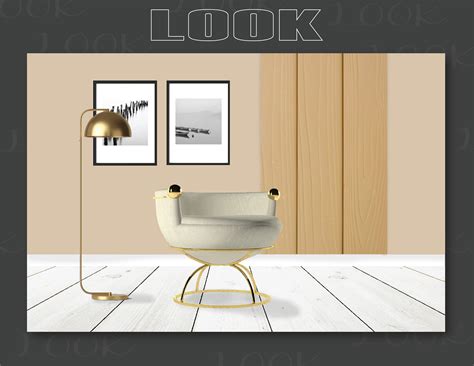
Aesthetics are subjective, yet great design possesses universal principles. For luxury items, this means articulating why something looks good. Reviewers should analyze the form, proportion, and balance of the item. Is it elegantly minimalist, strikingly architectural, or organically sculptural? Discuss the design language—is it iconic, timeless, or avant-garde? How does the color palette contribute to its overall visual harmony? Point out unique design elements that distinguish it, whether it’s a signature motif, an innovative clasp mechanism, or a beautifully sculpted contour. The aesthetic appeal often lies in its ability to evoke emotion, tell a story, or subtly communicate status and taste. Use descriptive adjectives that paint a picture of its visual impact.
Narrative and Heritage: The Story Behind the Luxury
Luxury is frequently interwoven with history and narrative. A review benefits immensely from exploring the brand’s heritage, the designer’s inspiration, or the story behind a specific collection. Was it inspired by a historical event, a cultural movement, or a groundbreaking artistic vision? Discuss the exclusivity—is it a limited edition, custom-made, or part of a rare series? Explaining the legacy and the timelessness of a design helps justify its long-term value and its potential to become an heirloom. This narrative adds layers of meaning and emotional depth, transforming a mere object into a piece of history or art.

The Reviewer’s Lens: Language and Detail
Ultimately, the effectiveness of conveying craftsmanship and aesthetic appeal rests on the reviewer’s command of language and observational acuity. Use evocative and precise language to describe nuances that might otherwise be missed. Employ comparisons to establish context—how does this piece stand against its competitors, or previous iterations from the same brand? Contextualize the value proposition beyond the monetary cost, discussing aspects like longevity, exclusivity, artistry, and emotional resonance. A skilled reviewer doesn’t just state facts; they interpret them, providing insight into why these details matter to the luxury consumer.

In conclusion, a review that truly celebrates exceptional craftsmanship and aesthetic appeal in luxury items transcends a simple pros and cons list. It requires a deep dive into the tangible and intangible, meticulously detailing material quality, sensory experiences, the precision of creation, the artistry of design, and the rich narrative that underpins its existence. By focusing on these elements, reviewers can provide an immersive and insightful perspective that justifies the investment and elevates the appreciation for these extraordinary objects.