


How can a Pro Artist Portfolio blend enhanced artistry with elegant design for maximum client impact?

For any professional artist, a portfolio is more than just a collection of work; it’s a meticulously crafted narrative, a visual resume, and a powerful sales tool. In today’s competitive creative landscape, merely having great art isn’t enough. The way that art is presented—its design—is equally crucial in captivating potential clients and making a lasting impression. The true art lies in harmonizing enhanced artistic skill with sophisticated design to create a portfolio that resonates deeply and drives opportunities.
The Dual Pillars: Artistry and Design
At its core, a professional artist’s portfolio must showcase exceptional artistry. This refers to the technical skill, conceptual depth, originality, and emotional resonance of the work itself. Without strong, compelling art, even the most beautifully designed portfolio will fall flat. However, stellar artistry alone, poorly presented, can easily be overlooked. This is where elegant design steps in, acting as the crucial frame that elevates the masterpiece.
Design encompasses everything from the layout, typography, and color palette to the overall user experience (for digital portfolios) or tactile quality (for physical ones). Its purpose is to guide the viewer’s eye, create a professional impression, and ensure that the art is seen in its best possible light, free from distractions and presented with clarity and impact.
Showcasing Enhanced Artistry
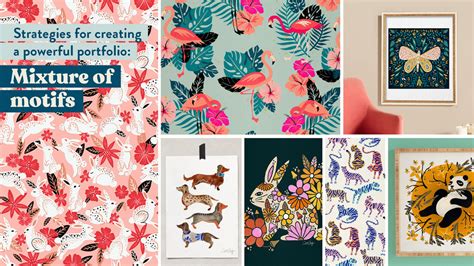
To ensure your artistry shines, begin with ruthless curation. Select only your absolute best, most relevant, and most cohesive pieces. Quality over quantity is paramount. Each piece should demonstrate your unique style, technical proficiency, and problem-solving abilities pertinent to the clients you wish to attract. Consider including a diverse range of work if it showcases versatility within your niche, but avoid anything that doesn’t represent your current capabilities or desired direction.
High-quality reproduction is non-negotiable. Whether scanning paintings, photographing sculptures, or capturing digital work, ensure images are sharp, color-accurate, and well-lit. Poor photography can instantly diminish the perceived value of even the most exquisite artwork. Furthermore, consider providing context for each piece – a brief description, the medium, dimensions, or the story behind its creation can deepen engagement and demonstrate conceptual thinking.
Embracing Elegant Design Principles
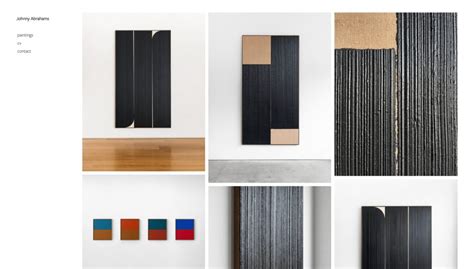
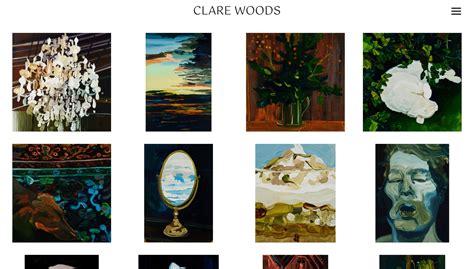
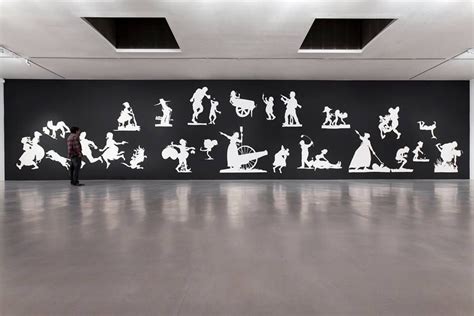
Elegant design simplifies, organizes, and elevates. Start with clean, uncluttered layouts that allow your artwork to breathe. Utilize ample negative space around each piece to prevent visual overwhelm and direct focus. A strong visual hierarchy will guide the viewer through your portfolio logically, ensuring they see your most important work first.
Choose a refined typography that is legible and complements your artistic style without competing with it. A limited, harmonious color palette can establish a sophisticated brand identity that subtly ties your portfolio together. Consistency across all elements—from image presentation to text formatting—builds professionalism and reinforces your brand. Think about the overall user experience: Is it intuitive? Is it enjoyable? Does it reflect the quality of your work?
The Seamless Blend: Where Art Meets Design
The true magic happens when artistry and design become indistinguishable. This means presenting your art not just beautifully, but strategically. For instance, if you’re a concept artist, consider showing process work or sketches alongside finished pieces to demonstrate your creative journey. If you’re a fine artist, perhaps a clean, gallery-like presentation with minimal text allows the art to speak for itself, relying on the quality of your images and the layout to convey professionalism.
Use design elements to enhance, not overshadow, your art. For a muralist, a mock-up of their work in a relevant environment can speak volumes. For a graphic designer, showing the application of their branding across various mediums adds significant impact. The goal is to create a cohesive experience where the viewer is immersed in your capabilities, with design facilitating their journey through your artistic world.
Maximizing Client Impact and Engagement
A portfolio designed for impact is ultimately designed with the client in mind. Understand your target audience: What kind of work are they looking for? What problems can you solve for them? Tailor your portfolio’s content and design to appeal directly to those needs. If you’re aiming for editorial commissions, include work that tells stories. If you want corporate clients, demonstrate professionalism and reliability.
Ensure your portfolio is easily accessible, whether it’s a responsive website, a well-organized PDF, or a thoughtfully bound physical book. For digital portfolios, clear navigation and obvious calls to action (e.g., ‘Contact Me’, ‘View More Work’) are essential. Ultimately, a portfolio that seamlessly blends enhanced artistry with elegant design doesn’t just show what you can do; it communicates your professionalism, your attention to detail, and your respect for the client’s time, making a compelling case for collaboration.

Practical Tips for Implementation
- Get Feedback: Share your portfolio with trusted peers, mentors, or even potential clients to get objective opinions on both your art and its presentation.
- Digital vs. Physical: While a strong online presence is crucial, consider the impact of a physical portfolio for in-person meetings. The tactile experience can add a unique dimension.
- Stay Updated: Your portfolio is a living document. Regularly review and update it with your newest and best work, removing anything that no longer aligns with your goals.
- Consider Your Narrative: Think about the story you want your portfolio to tell. Does it communicate your unique voice and vision effectively?
In conclusion, a professional artist’s portfolio is a strategic masterpiece in itself. By consciously blending enhanced artistry—showcasing your absolute best, most relevant work with integrity—and elegant design—presenting it with clarity, sophistication, and a keen understanding of your audience—you create a powerful tool that not only highlights your talent but also establishes you as a serious, professional, and sought-after artist in your field. This harmonious blend is the key to unlocking maximum client impact and securing the opportunities you deserve.