

How can I tailor workshop techniques to my unique facial features for an elegant, enhanced look?
Beyond Generic: Embracing Your Unique Beauty Blueprint
In the vast world of makeup, it’s easy to get lost in trends and universal tutorials. However, true elegance in makeup artistry lies in understanding and celebrating your unique facial features. Generic workshop techniques, while foundational, truly shine when adapted to your individual anatomy. This article will guide you on how to tailor these methods to create a sophisticated, enhanced look that feels authentic to you.
Understanding Your Facial Anatomy: The First Step to Customization
The journey to personalized makeup begins with a deep dive into your own face. Forget what you think you “should” look like and instead focus on what is there. Identify your face shape – is it oval, round, square, heart, long, or diamond? Observe your eye shape: almond, hooded, monolid, upturned, or downturned? Pay attention to your lip structure, nose profile, and the natural arch of your eyebrows. Each of these elements contributes to your overall canvas.
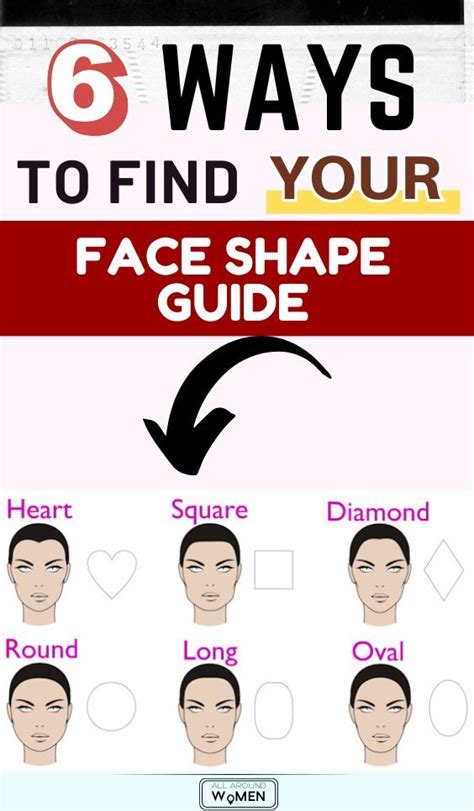
Understanding these fundamental aspects allows you to move beyond one-size-fits-all advice. For instance, a contouring technique that works wonders for a square face might not be suitable for a round face, and an eyeliner style perfect for almond eyes could overwhelm hooded lids. Self-assessment is crucial here; spend time with a mirror, perhaps even taking photos from different angles to get an objective view.
Core Workshop Techniques for Personalized Enhancement
Once you have a clear understanding of your features, you can begin to modify standard makeup techniques. Here’s how common workshop teachings can be customized:
Contouring and Highlighting: Sculpting to Your Shape
Workshop contouring often teaches general placement for cheekbones, jawline, and forehead. To personalize this, assess your face shape. For a round face, focus on creating more definition along the perimeter and below the cheekbones. For a long face, contouring the hairline and under the chin can shorten the appearance. Highlighting should also be strategic: use it to bring forward features you wish to emphasize, like the high points of your cheekbones, bridge of your nose, or cupid’s bow, always considering their unique placement on your face.
Eye Makeup: Accentuating Your Gaze
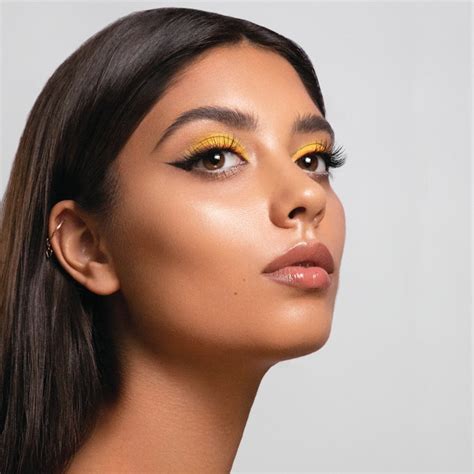
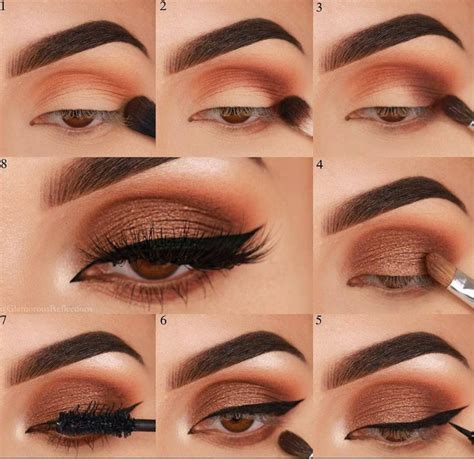
Eyeliner, eyeshadow, and mascara techniques are highly dependent on eye shape. For hooded eyes, focus on techniques that create lift and dimension above the crease. For round eyes, extending liner outwards can elongate them. Monolid eyes benefit from gradient shadows applied vertically and tightlining. Always consider the natural tilt and spacing of your eyes when applying shadows and liner to ensure symmetry and balance.
Brow Shaping: Framing Your Expression
Your eyebrows are the natural frame for your eyes and can dramatically alter your face. Rather than following a trendy brow shape, consider what complements your face shape and eye area. A higher arch might lift a rounder face, while a softer, straighter brow could balance a longer face. Ensure your brow color and intensity also harmonize with your hair color and skin tone for a natural, elegant finish.
Lip Artistry: Enhancing Your Pout
Lip lining and lipstick application can transform your mouth. If you have naturally thin lips, over-lining slightly with a nude pencil and adding a touch of gloss in the center can create an illusion of fullness. For asymmetrical lips, a precise liner can help correct and balance the shape before filling in with color. The goal is to enhance your natural lip line, not to drastically alter it.
Strategic Color Theory: The Power of Palette
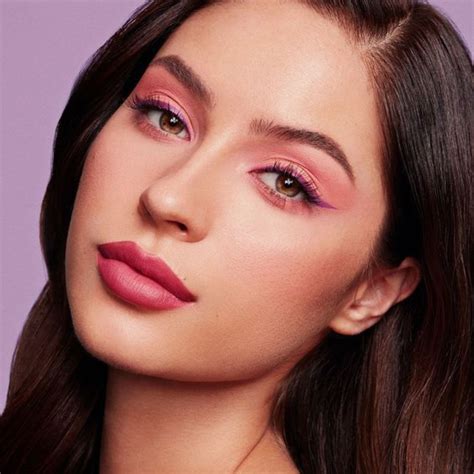
Beyond application, choosing the right colors is paramount. Understand your skin’s undertone (warm, cool, or neutral) to select foundation, concealer, and blush shades that seamlessly blend and enhance. For eyeshadows and lip colors, consider how they interact with your eye color and overall complexion. A color wheel can be a useful tool to find complementary and analogous colors that make your features pop elegantly.
Practical Application and Continuous Practice
Translating workshop knowledge into personalized skill requires practice and experimentation. Dedicate time to trying out different variations of techniques in front of a good mirror. Don’t be afraid to make mistakes; they are part of the learning process. Take photos in various lighting to objectively assess your work. Consider attending specialized workshops that focus on individual consultations, or even booking a one-on-one session with a professional makeup artist who can provide tailored feedback.
Refine your techniques regularly. Your face might change subtly over time, and your preferences for an “elegant, enhanced look” may evolve. Continuous learning and adaptation are key to maintaining a sophisticated and current beauty routine.
Conclusion: Your Face, Your Rules
Tailoring workshop techniques to your unique facial features is not about hiding imperfections but about enhancing your natural beauty. By understanding your anatomy, customizing application methods, and strategically choosing colors, you can achieve an elegant and truly enhanced look that celebrates your individuality. Embrace the journey of discovery, and let your unique features guide your artistry for a truly personalized beauty statement.