



How can Pro Artist Portfolio curation elevate artistry & define elegance for client appeal?

In the fiercely competitive art world, raw talent alone is rarely enough to secure consistent work and establish a thriving career. While an artist’s inherent skill is the foundation, it is the strategic presentation of that skill – through a professionally curated portfolio – that truly elevates artistry, defines elegance, and ultimately dictates client appeal. A portfolio is not merely a collection of works; it is a meticulously crafted narrative, a visual resume, and a powerful marketing tool that speaks volumes about an artist’s vision, professionalism, and unique aesthetic.
Beyond the Brushstroke: Showcasing Artistry Through Selection
True artistry extends beyond the individual piece; it encompasses an artist’s distinctive voice, technical mastery, and creative evolution. Portfolio curation is the art of distilling this essence into a coherent, impactful presentation. It involves a rigorous selection process, focusing on quality over quantity. Each piece chosen must be a testament to the artist’s highest capabilities, demonstrating consistency, versatility (where appropriate), and a clear sense of purpose. This careful selection ensures that only the strongest, most representative works are highlighted, allowing potential clients to immediately grasp the artist’s unique style and competence.
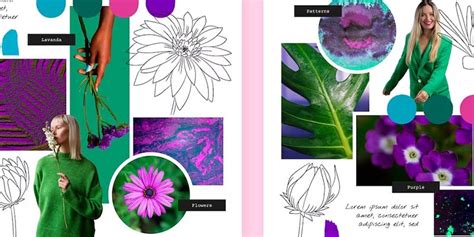
Defining Elegance: The Art of Presentation
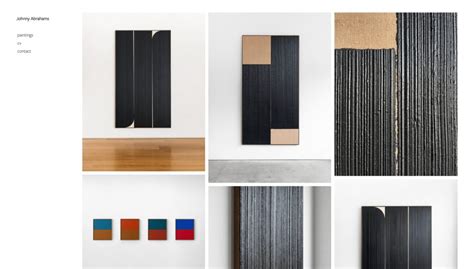
Elegance in a portfolio is not about ostentation but about refined presentation. It’s a harmonious blend of thoughtful layout, pristine imagery, and an intuitive user experience. An elegant portfolio communicates professionalism and attention to detail, reassuring clients that the artist approaches their work with similar diligence. This includes high-resolution photographs or scans of artwork, a clean and uncluttered design, consistent branding, and concise, articulate descriptions that provide context without overshadowing the visual elements. The overall aesthetic should reflect the artist’s brand – whether minimalist, bold, traditional, or contemporary – ensuring a cohesive and sophisticated visual language.
This level of polish signals respect for the client and for the art itself, creating a memorable and positive impression that distinguishes the artist in a crowded market.

Captivating Clients: The Strategic Edge of a Polished Portfolio
For potential clients, a professional artist portfolio serves as the primary decision-making tool. It’s where they assess not only the artist’s skill but also their ability to deliver on a project, their reliability, and their aesthetic alignment. A well-curated portfolio:
- Builds Trust: Demonstrating a consistent level of high-quality work instills confidence in a client that the artist can meet their expectations.
- Communicates Value: An elegant presentation often correlates with perceived higher value, allowing artists to command appropriate fees for their expertise.
- Attracts Ideal Clients: By showcasing specific styles or thematic strengths, artists can strategically appeal to clients who seek that particular aesthetic, leading to more fulfilling and aligned collaborations.
- Streamlines the Hiring Process: Clients can quickly ascertain if an artist’s style and quality match their needs, making the decision-making process more efficient.

Key Pillars of Effective Portfolio Curation
1. Strategic Selection: Less is More
Focus on your absolute best 10-20 pieces. These should represent your peak performance, most relevant style, and desired future work. Remove anything that doesn’t meet your highest standards or doesn’t align with the type of commissions you seek.
2. Cohesive Narrative: Tell a Story
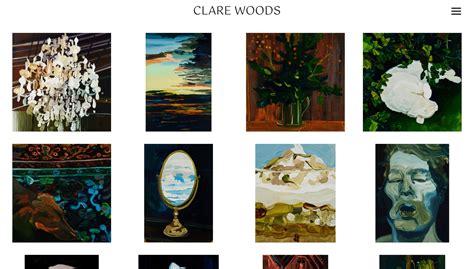
Arrange your work in a logical flow. This could be chronological, by series, by medium, or by theme. The goal is to guide the viewer through your artistic journey or highlight a specific specialization, making the overall presentation feel unified and intentional.
3. High-Quality Presentation: Visual Excellence
Invest in professional photography or scanning for your artwork. Poor lighting, blurry images, or distracting backgrounds can undermine even the most brilliant art. Ensure your digital platform or physical book is clean, easy to navigate, and visually appealing.
4. Targeted Approach: Know Your Audience
Consider who you are trying to attract. If you specialize in portraiture, feature your best portraits. If you’re aiming for editorial work, include pieces with a strong narrative or conceptual bent. Tailoring your portfolio to specific niches can significantly increase your success rate.

Conclusion: Your Portfolio as a Legacy
In essence, a professionally curated portfolio is more than just a collection of art; it is a meticulously crafted statement of an artist’s identity, skill, and aspirations. By rigorously selecting their best work, presenting it with elegance, and strategically targeting their audience, artists can transcend mere talent. They can elevate their artistry into a compelling brand, define a professional elegance that resonates deeply, and ultimately secure the kind of client appeal that transforms passion into a sustainable, successful career. Your portfolio is your most powerful advocate – make sure it speaks volumes about the incredible artist you are.