
How can product guides best convey the nuanced luxury of artisanal goods?
Capturing the Soul of Craft: Beyond the Description
Artisanal goods, by their very nature, defy simple categorization. They are not merely products but embody stories, traditions, human touch, and countless hours of dedicated craftsmanship. The challenge for product guides is to transcend basic specifications and truly communicate the nuanced luxury inherent in these items – a luxury rooted not just in price, but in authenticity, heritage, and the unique connection between maker and material. To do this effectively, guides must engage the reader on multiple sensory and emotional levels, painting a vivid picture that justifies the perceived value and unique appeal of each piece.
The Art of Storytelling: Weaving Narratives into Guides
At the heart of every artisanal good is a compelling story. Product guides should move beyond bullet points and immerse the reader in this narrative. Detail the origin of materials, the inspiration behind the design, the journey of the maker, and the cultural context from which the craft emerges. Who made it? What challenges did they overcome? What traditions do they uphold? Sharing anecdotes, maker profiles, and even short video clips (referenced in the guide) can transform a static product description into an engaging historical and personal account. This narrative approach builds a profound emotional connection, allowing the customer to appreciate the item not just for what it is, but for what it represents.
Highlighting Craftsmanship and Material Excellence
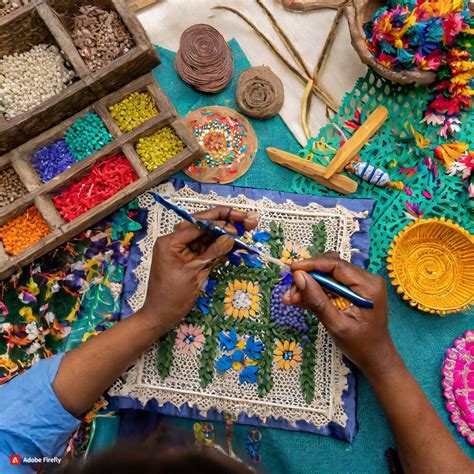
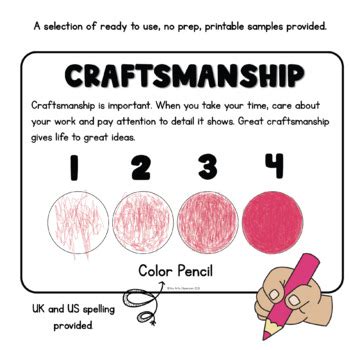
True luxury in artisanal goods often lies in the meticulous details of their creation and the superior quality of their components. Product guides should provide an in-depth look at the crafting process. Are traditional techniques employed? What tools are used? How many steps are involved? Showcase the unique properties of the materials – their rarity, sustainability, or distinctive characteristics. For instance, explaining why a certain type of wood is chosen, or the intricate stitching technique used on leather goods, elevates the perceived value. High-resolution imagery with zoom capabilities, alongside detailed descriptions of textures and finishes, are crucial for conveying this level of detail.
Engaging the Senses: Describing the Indescribable
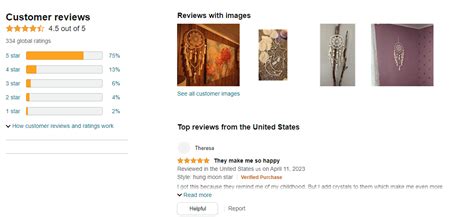
While product guides are primarily visual and textual, the nuanced luxury of artisanal goods often involves tactile and even olfactory experiences. Guides should attempt to bridge this gap through evocative language. Describe the feel of a hand-stitched leather bag, the scent of natural wood, the subtle variations in a hand-dyed textile, or the satisfying weight of a ceramic piece. Use descriptive adjectives that appeal to the imagination, allowing the reader to mentally interact with the product. Reviews from other customers that highlight these sensory aspects can also be integrated, adding authenticity and social proof to the claims.
Beyond Static Images: Dynamic and Immersive Visuals
Static photographs, while essential, can only go so far. To convey nuanced luxury, product guides should incorporate a range of dynamic visual elements. High-definition video showcasing the product in use, or a short film demonstrating the making process, can dramatically enhance understanding and appreciation. 360-degree product views allow customers to explore every angle and detail. Lifestyle photography, placing the artisanal good within a sophisticated context, helps customers envision how the item fits into their own luxurious lifestyle. These immersive visuals help to convey scale, texture, and the unique imperfections that often characterize handcrafted items.
The Maker’s Voice: Authenticity and Connection
An often-overlooked element in product guides is the direct voice of the maker. Including quotes, interviews, or even a personal message from the artisan can forge a deeper connection with the customer. This personal touch underscores the authenticity of the product and highlights the passion and dedication infused into each creation. When customers feel a direct link to the human hands and heart behind an item, the perceived luxury and uniqueness are significantly amplified. This transparency builds trust and reinforces the narrative of true artisanal craftsmanship.
Conclusion: A Holistic Approach to Storytelling and Sensation
Conveying the nuanced luxury of artisanal goods in product guides requires a holistic, multi-sensory approach that combines compelling storytelling, meticulous detailing of craftsmanship, evocative language, and dynamic visuals. By focusing on the journey, the materials, the maker, and the inherent character of each piece, guides can transform a simple product into a cherished narrative, allowing customers to truly understand and value the profound luxury that only genuine artisanal creations can offer. This comprehensive strategy not only educates but also inspires, fostering a deeper appreciation for the art of making.