




How can product guides enhance reviews, showcasing craftsmanship and elegant features?

The Untapped Power of Comprehensive Product Guides
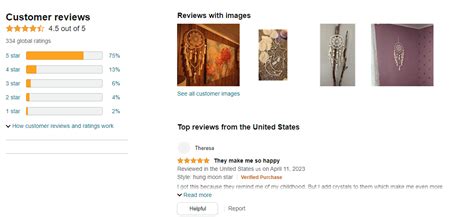
In today’s competitive marketplace, product reviews are paramount. They serve as social proof, influencing purchase decisions more than any other marketing material. But what if those reviews could go deeper, transcending basic functionality to articulate the true essence of a product – its meticulous craftsmanship and elegant features? This is where well-designed product guides come into play, acting as a crucial bridge between product intent and consumer perception, ultimately elevating the quality and depth of reviews.
Beyond the Specs: Unveiling Meticulous Craftsmanship
Many products, especially in premium segments, are the culmination of hours of design, precise engineering, and the use of superior materials. Standard product descriptions often fall short in conveying this intricate detail. Product guides, however, can meticulously walk a potential buyer or reviewer through the journey of creation, highlighting:
- Material Selection: Explain why a specific type of leather, metal alloy, or wood was chosen, detailing its durability, aesthetic qualities, or sustainable sourcing.
- Construction Techniques: Describe unique assembly methods, hand-finishing processes, or innovative manufacturing steps that contribute to the product’s longevity and unique feel.
- Attention to Detail: Point out subtle design elements, polished edges, seamless joints, or custom-designed components that speak volumes about the brand’s commitment to quality.
When reviewers are armed with this detailed knowledge, their commentary moves beyond ‘it looks good’ to ‘the hand-stitched leather strap feels incredibly supple and the precision-machined casing exudes quality,’ providing rich, persuasive insights for other consumers.

Illuminating Elegant Features and Thoughtful Design
Elegant features are not just about aesthetics; they often represent intuitive functionality, enhanced user experience, and innovative problem-solving. A product guide can systematically break down these features, explaining their purpose, how they work, and the benefits they offer. This includes:
- Intuitive Interfaces: Detail the logic behind a user interface, explaining why certain controls are placed where they are, or how a specific workflow streamlines operation.
- Integrated Technologies: Explain the sophistication behind smart features, connectivity options, or proprietary technologies that enhance performance or convenience.
- Ergonomics and Usability: Describe how the product’s form factor contributes to comfort, ease of use, or adaptability in various scenarios.
- Aesthetic Choices: Articulate the design philosophy – the inspiration behind a particular color palette, texture, or silhouette – connecting form with function and brand identity.
By offering this depth, guides transform abstract ‘good design’ into concrete examples that reviewers can reference, enabling them to articulate precisely why a feature is elegant and how it enriches their interaction with the product.

Empowering Reviewers for Richer Feedback
The primary benefit of a robust product guide is the empowerment it offers to reviewers. Instead of generic comments, reviewers can utilize the guide’s language and explanations to:
- Use Specific Terminology: Employ the brand’s own descriptions for materials, components, and features, lending credibility and precision to their reviews.
- Evaluate Against Intent: Understand the designer’s intent for certain features or design choices, allowing them to assess how well the product delivers on those promises.
- Identify and Appreciate Nuances: Spot and articulate the subtle qualities – the perfect weight balance, the satisfying click of a button, the seamless integration of components – that make a product truly stand out.
This level of detail not only makes reviews more informative but also more persuasive, as potential buyers gain a clearer picture of the product’s true value proposition.
Strategies for Creating Impactful Product Guides
To maximize their impact on reviews, product guides should be:
- Accessible and Engaging: Available in multiple formats (webpage, PDF, video), easy to navigate, and visually appealing with high-quality images and diagrams.
- Comprehensive yet Concise: Provide all necessary details without overwhelming the reader. Use clear headings, bullet points, and short paragraphs.
- Story-Driven: Weave in the narrative of the product’s development, the passion behind its creation, and the problems it aims to solve.
- Targeted: Consider the audience. Is it a technical guide for enthusiasts or a more general overview for casual users?
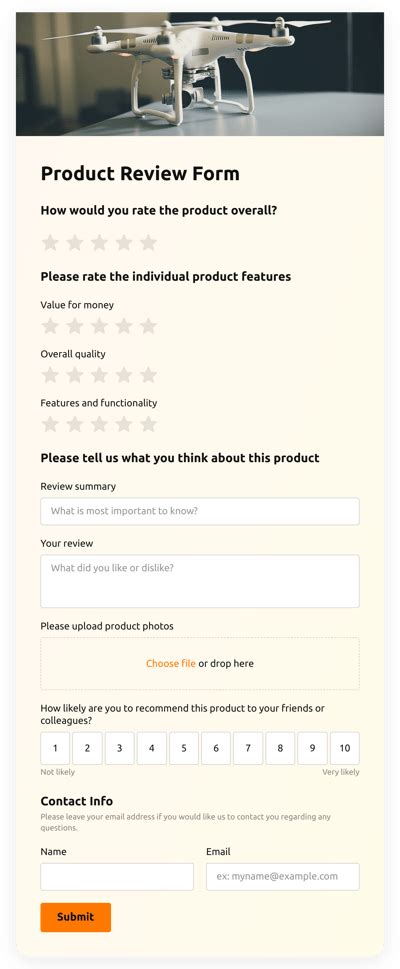
- Integrated with the Review Process: Brands can subtly encourage reviewers to consult guides by linking to them directly within review prompts or product pages.

Conclusion: Elevating Reviews, Elevating Brands
Product guides are far more than just instruction manuals; they are powerful marketing and educational tools that can profoundly influence the depth and quality of consumer reviews. By meticulously detailing craftsmanship and elegantly presented features, these guides equip reviewers with the vocabulary and understanding needed to articulate a product’s true value. In turn, this leads to richer, more insightful reviews that resonate deeply with potential buyers, fostering greater trust, enhancing brand perception, and ultimately driving informed purchasing decisions. Investing in a well-crafted product guide is an investment in the integrity and future success of your product and brand.