


How can tutorials refine advanced blending for truly enhanced artistry?

Unlocking the Power of Seamless Transitions
In the world of makeup artistry, blending is often cited as the cornerstone of a polished and professional look. While basic blending creates a smooth transition between colors, advanced blending techniques elevate this skill to an art form, allowing for intricate designs, seamless gradients, and truly breathtaking finishes. For aspiring artists and seasoned enthusiasts alike, mastering these advanced nuances can seem daunting. This is where the strategic use of high-quality tutorials becomes indispensable, acting as a guided pathway to refining your skills and transforming your artistic vision into reality.
Beyond the Basics: What Defines Advanced Blending?
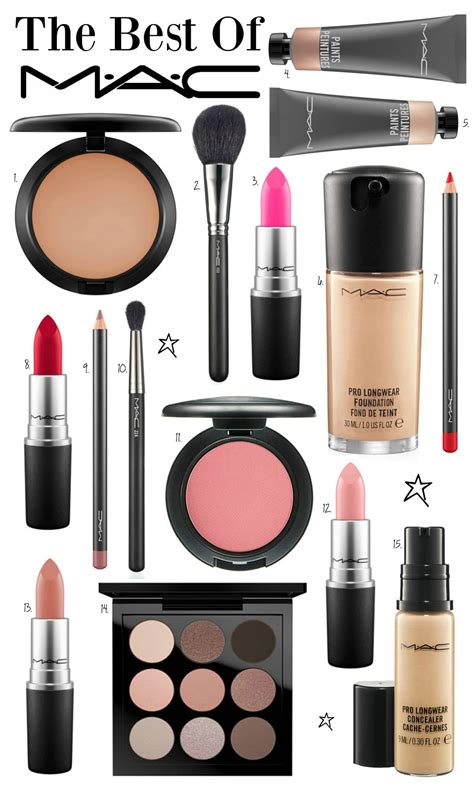
Advanced blending isn’t just about moving product around; it’s about precision, intention, and an understanding of color theory, texture, and light. It involves creating complex gradients with multiple shades, achieving crisp edges alongside soft transitions (like in a cut crease), or expertly merging different product types such as creams, powders, and liquids without muddiness. This level of control allows for sculpting features, correcting imbalances, and crafting illusions that go far beyond a simple wash of color.
The distinction between adequate and exceptional makeup often lies in the subtlety and fluidity of its blends. Poor blending can leave harsh lines, patchy areas, or an overall unfinished appearance, undermining even the most creative concepts. Conversely, masterful blending makes the makeup look effortless, as if the colors and textures naturally meld into one another, enhancing the wearer’s features with an almost ethereal quality.
The Tutorial Advantage: Structured Learning for Complex Skills
Traditional learning methods might offer a broad overview, but tutorials provide the granular detail necessary for advanced techniques. They break down complex processes into digestible, step-by-step instructions, often accompanied by visual demonstrations that are crucial for learning physical skills like makeup application. Here’s how tutorials specifically aid in refining advanced blending:
1. Demystifying Intricate Techniques
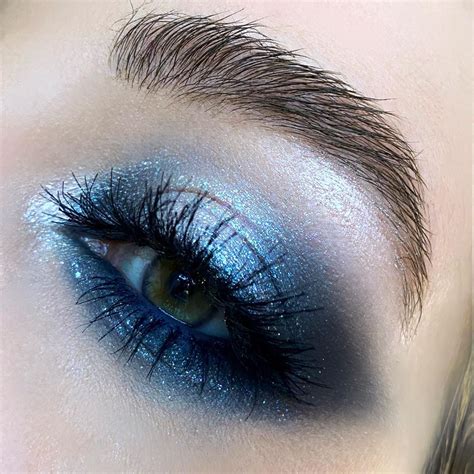
Complex looks such as a multi-dimensional smoky eye, a dramatic sunset blend, or a nuanced contour often involve a sequence of specific steps and product applications. Tutorials meticulously walk you through each layer, explaining the ‘why’ behind using particular brush strokes, product amounts, and application orders. This clarity is vital for understanding, for instance, how to build intensity without losing transparency or how to create a seamless gradient from a dark outer corner to a light inner corner.
2. Product and Tool Mastery
Advanced blending heavily relies on using the right tools and understanding product formulations. Tutorials often recommend specific brush types for different blending tasks (e.g., a fluffy brush for diffusing edges, a dense brush for packing color). They also illustrate how different product consistencies – from creamy concealers to finely milled powders – behave when blended and how to adapt your technique accordingly. Learning these nuances from an expert can save countless hours of trial and error.
3. Real-Time Problem Solving and Troubleshooting
One of the greatest benefits of video tutorials, in particular, is witnessing the artist troubleshoot common blending issues in real-time. They might show how to correct a patchy blend, soften a harsh line that appeared unexpectedly, or re-intensify a color that got lost in the blending process. Observing these solutions provides invaluable practical knowledge that theory alone cannot convey, equipping you with strategies to overcome your own challenges.
4. Cultivating Inspiration and Innovation
Beyond technical instruction, tutorials serve as a wellspring of creative inspiration. By exposing you to diverse styles, color palettes, and innovative approaches from various artists, they encourage experimentation. You learn not just to replicate a look, but to understand the underlying principles, enabling you to adapt techniques, combine elements, and ultimately develop your unique artistic signature. This pushes you beyond mere imitation into genuine artistry.
Finding Your Blending Gurus: Tips for Effective Tutorial Engagement
To maximize the benefits of tutorials, seek out those that:
- Offer clear, well-lit visuals and concise explanations.
- Focus on specific techniques rather than just a full face of makeup.
- Provide product recommendations but also explain adaptable alternatives.
- Demonstrate on diverse skin tones and eye shapes.
- Encourage practice and offer tips for self-assessment.
Engage actively by pausing, replaying sections, and practicing alongside the tutorial. Don’t be afraid to experiment and deviate once you grasp the core principles.
Conclusion: The Path to Masterful Artistry
Advanced blending is a skill that distinguishes good makeup from truly exceptional artistry. While innate talent plays a role, it is through diligent practice and focused learning that mastery is achieved. Tutorials provide that critical structure and visual guidance, demystifying complex techniques, refining tool usage, and offering solutions to common pitfalls. By leveraging these powerful educational resources, you can undoubtedly elevate your blending capabilities, unlocking new levels of precision, creativity, and professional artistry in your makeup applications.