




How can we encourage reviews detailing craftsmanship & aesthetic impact?

The Undervalued Art of Detailed Product Reviews
In the vast landscape of online shopping, product reviews serve as a critical compass for consumers. Yet, many reviews tend to focus on functionality, price, or delivery speed, often overlooking the nuanced aspects of craftsmanship and aesthetic appeal. For products where design, materials, and artisan skill are paramount – think furniture, jewelry, bespoke clothing, or artisan goods – this oversight leaves a significant gap. Encouraging reviews that delve into these qualitative attributes is not just about helping shoppers; it’s about valuing the artistry and effort behind exceptional products, fostering a deeper connection between creator and consumer.

Why Detailed Craftsmanship and Aesthetic Reviews Matter
Reviews highlighting craftsmanship offer insights into durability, material quality, and the attention to detail in a product’s construction. They can speak to the feel of a fabric, the precision of a weld, or the balance of a design. Aesthetic reviews, on the other hand, articulate how a product looks, feels in a space, or complements a personal style. These are subjective yet crucial elements that elevate a product beyond its basic utility. For consumers, such reviews provide a richer, more holistic understanding, enabling them to make more confident and satisfying purchasing decisions, especially for items with a significant emotional or financial investment. For brands, these reviews validate their commitment to quality and design, building trust and distinguishing them in a crowded market.
Overcoming the Challenge: Why These Details Are Often Missed
The primary reason most reviews lack these specifics is simple: people aren’t explicitly prompted to consider them, or they find it challenging to articulate subjective experiences. Many review platforms offer star ratings for broad categories or open text fields without guidance. Consumers, driven by convenience, often default to quick summaries or focus on easily quantifiable aspects. There’s also a perception that discussing aesthetics is purely subjective and therefore less “helpful” than objective facts. Breaking this pattern requires a concerted effort from brands and review platforms to guide consumers towards a more descriptive and analytical approach.
Strategies for Brands: Guiding the Reviewer’s Eye
Brands are uniquely positioned to encourage more nuanced reviews. The first step is to integrate specific prompts into their review request processes. Instead of a generic “What did you think?”, ask: “How would you describe the finish and texture of the material?” or “Does the design exceed your aesthetic expectations, and how does it fit into your space?”
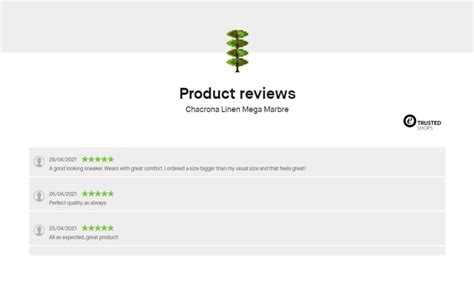
Visual examples can also be highly effective. Brands could feature excerpts from exemplary reviews that showcase detailed descriptions, implicitly setting a standard. Educating customers about the terminology used to describe craftsmanship and aesthetics can empower them to articulate their thoughts better. Consider a short guide on your product page or in the follow-up email that prompts the review, suggesting language for describing aspects like joinery, stitching, patina, or ergonomic curves.
Furthermore, offering incentives for detailed, high-quality reviews – perhaps through a tiered loyalty program or a special discount – can motivate consumers to invest more time and thought. Actively responding to such detailed reviews, acknowledging the specific points mentioned, also encourages others to follow suit, showing that their efforts are valued.
Strategies for Review Platforms: Structuring for Depth
Review platforms and marketplaces have a crucial role in enabling and structuring the capture of detailed feedback. This involves moving beyond basic star ratings to incorporating dedicated sections or prompts for craftsmanship and aesthetic impact. Imagine a dropdown or checkbox system for aspects like “Material Quality,” “Finish Details,” “Design Cohesion,” or “Visual Appeal.”
Guided free-text fields with placeholder questions are another powerful tool. For instance, a box labelled “Share your thoughts on craftsmanship” could include a prompt like, “Describe the materials, construction quality, and attention to detail you noticed.” Similarly, for “Aesthetic Impact,” a prompt might ask, “How does this product look and feel in your home or on your person? What details stand out?”
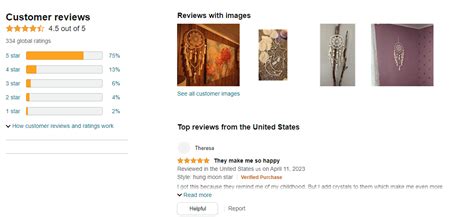
Allowing reviewers to upload high-quality photos or even short video clips that specifically highlight craftsmanship or aesthetic features can also enrich the review landscape. Platforms could then curate and prominently display these types of detailed reviews, making them easily discoverable through advanced filtering options (e.g., “filter by craftsmanship details” or “reviews on aesthetic appeal”).

The Future of Product Feedback: A Collaborative Effort
Cultivating a culture of detailed reviews regarding craftsmanship and aesthetic impact is a collaborative endeavor. It requires brands to thoughtfully prompt and educate, platforms to structure and facilitate, and consumers to appreciate the value of their unique perspectives. When successful, this approach enriches the shopping experience for everyone. Consumers gain deeper insights, brands gain valuable feedback and a stronger reputation, and the products themselves receive the appreciation their design and construction deserve. By encouraging this level of detail, we move beyond transactional feedback to a more qualitative, appreciative understanding of the products that enrich our lives.