
How can we solicit user reviews that genuinely reflect product elegance?

Understanding Product Elegance in Reviews
In a marketplace saturated with products, mere functionality is often not enough to capture the hearts and minds of consumers. What truly differentiates a product, elevates its status, and fosters a loyal following is often its elegance – a harmonious blend of aesthetics, intuitive usability, and an overall sense of refined quality. However, traditional user review mechanisms, often reliant on star ratings and feature checklists, frequently fall short in capturing this elusive yet critical aspect. The challenge lies in designing systems that encourage users to articulate not just what a product does, but how it makes them feel, how seamlessly it integrates into their lives, and the subtle beauty they perceive in its design.
Defining Product Elegance Beyond Functionality
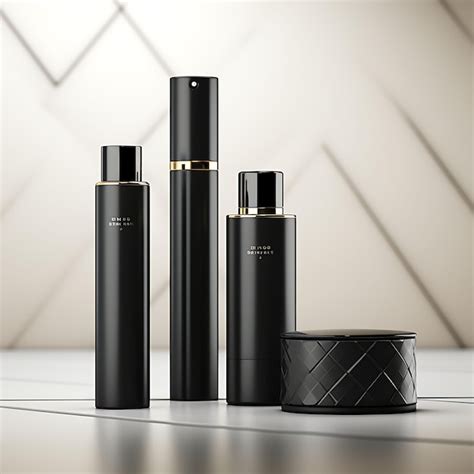
Before we can solicit reviews that reflect elegance, we must first understand what it truly entails. Product elegance isn’t solely about luxurious materials or a high price tag. It encompasses a product’s aesthetic appeal, its tactile quality, the simplicity of its interface, the seamlessness of its performance, and the emotional connection it forges with the user. It’s the ‘aha!’ moment of intuitive interaction, the quiet satisfaction of a well-crafted object, or the subtle beauty that enhances daily life. It’s often subjective, yet universally recognized when experienced.
The Limitations of Traditional Review Methods
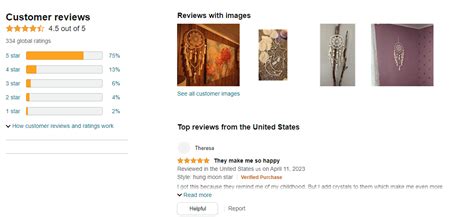
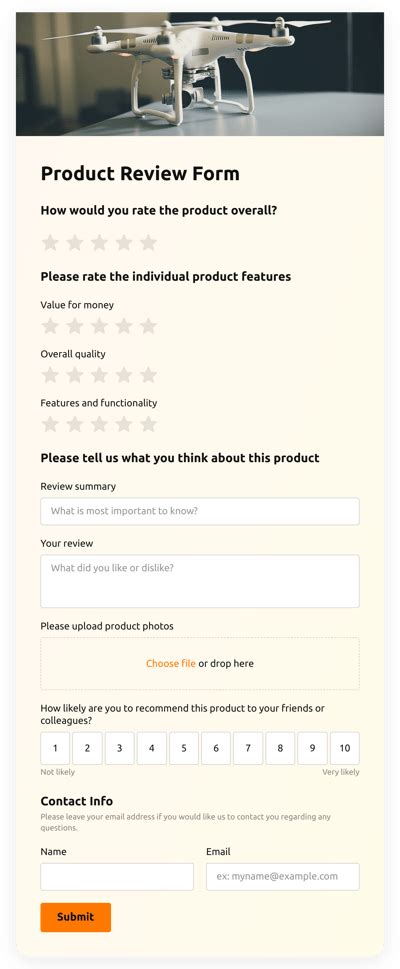
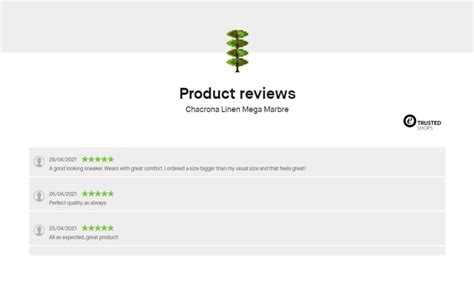
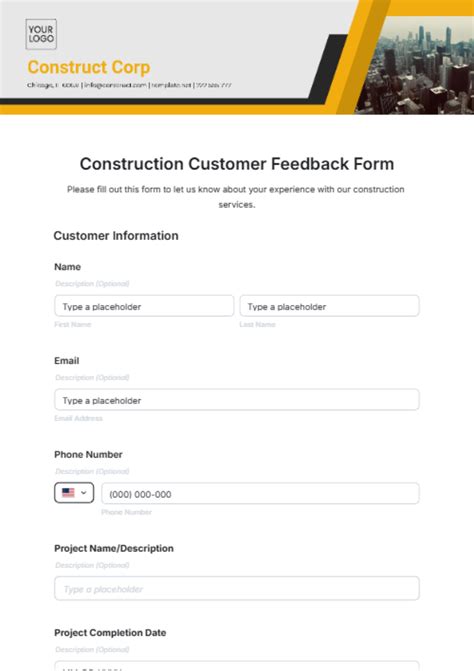
Standard review forms typically prompt users to rate features, performance, or value for money. While valuable, these quantitative measures rarely scratch the surface of elegance. A five-star rating might indicate satisfaction, but it doesn’t explain why a user finds a product beautiful, enjoyable, or effortless. Open-ended text boxes are often underutilized or filled with generic praise, as users aren’t explicitly guided on how to express more profound, subjective experiences. This leaves product teams with a wealth of data on functionality but a drought of insights into the emotional and aesthetic impact their products have.
Crafting Prompts for Deeper Insights
To genuinely capture product elegance, the review solicitation process must evolve. It begins with the questions we ask. Instead of focusing on ‘what,’ we need to inquire about ‘how’ and ‘why.’ Prompting users with carefully designed questions can unlock more descriptive and insightful feedback.
Ask Open-Ended, Evocative Questions
Guide users to describe their experience rather than just rate it. Examples include:
- “What is one aspect of the product’s design that truly delights you?”
- “How does using this product make you feel, and why?”
- “Describe the overall aesthetic or ‘feel’ of the product. Is it elegant, modern, robust, minimalistic?”
- “In what ways does the product’s design simplify your interaction or enhance your environment?”
- “Could you share a specific moment where the product’s elegance shone through?”
Such questions invite narratives, allowing the user’s personal perception of elegance to emerge.

Encourage Multimedia Submissions
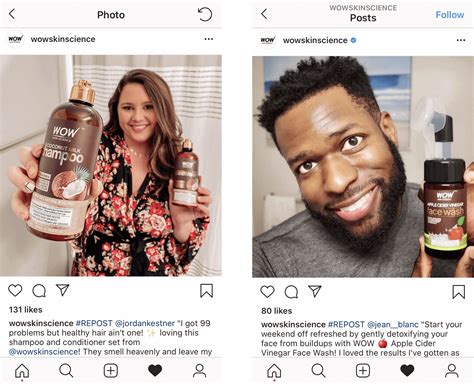
A picture is worth a thousand words, especially when describing visual elegance. Encourage users to submit photos or short videos showcasing the product in its environment, highlighting specific design elements they appreciate. Seeing a product beautifully integrated into a user’s home or workspace can convey elegance far more effectively than text alone. Offer simple upload tools and perhaps even prompts for what to photograph, such as ‘show us your favorite design detail’ or ‘how does this product fit into your daily aesthetic?’
Fostering a Culture of Detailed Feedback
Beyond individual prompts, building a community and incentivizing quality can dramatically improve the depth of reviews.
Reward Thoughtful Contributions
Consider implementing systems that recognize and reward particularly insightful or well-articulated reviews. This could be through points, badges, discounts, or featuring their reviews prominently. When users see that their thoughtful feedback is valued, they are more likely to invest time in crafting detailed responses that go beyond surface-level observations.
Leverage Contextual Review Opportunities
Timing is everything. Prompt for reviews at natural breakpoints in the user journey where product elegance might be most apparent. For example, after an onboarding process that showcases intuitive design, after a week of seamless use, or after a positive interaction that highlights the product’s reliability and refined performance. Asking for feedback when the positive experience is fresh can lead to richer descriptions.
Utilizing AI and Analytics for Uncovering Elegance
Even with better prompting, a large volume of qualitative data can be challenging to analyze manually. Leveraging Artificial Intelligence and Natural Language Processing (NLP) tools can help identify recurring themes, sentiments, and keywords related to elegance within free-form text. These tools can highlight mentions of ‘sleek design,’ ‘smooth operation,’ ‘beautiful finish,’ ‘seamless integration,’ or ‘joy to use,’ providing aggregated insights into what aspects of elegance resonate most with users.

Conclusion: Elevating Review Quality for Enhanced Perception
Soliciting reviews that genuinely reflect product elegance requires a shift from passive data collection to active, empathetic engagement. By designing thoughtful prompts, encouraging multimedia contributions, fostering a culture of detailed feedback, and employing smart analytics, businesses can uncover a richer tapestry of insights. This not only provides invaluable feedback for product development but also generates authentic, evocative user-generated content that can powerfully communicate the unique elegance of a product to prospective customers, enhancing brand perception and driving deeper connection.