


How do I bridge tutorial theory to real-world artistry for personalized elegance?

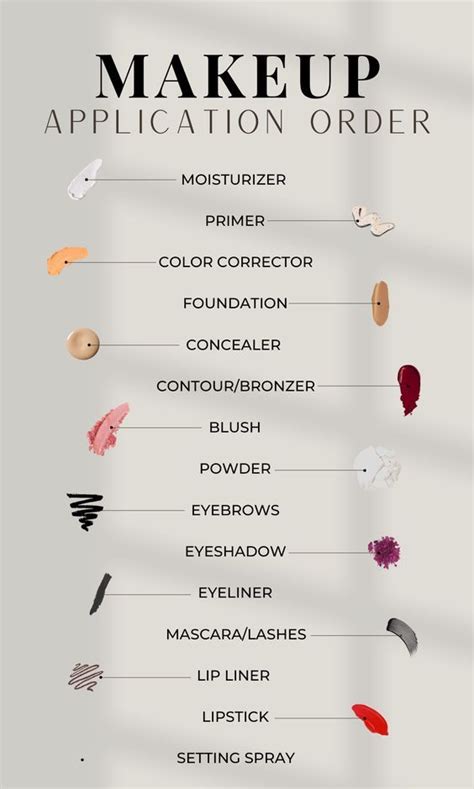
Many aspiring makeup enthusiasts find themselves at a crossroads: armed with a plethora of online tutorials, yet struggling to translate those perfected on-screen looks onto their unique face in everyday life. The gap between theoretical steps and real-world application can feel vast, often leading to frustration rather than the desired personalized elegance. This article will guide you through practical methods to bridge that divide, transforming generalized instructions into bespoke artistry that truly celebrates your individuality.
Understanding Your Unique Canvas
The first and most crucial step in personalized artistry is intimate knowledge of your own face. Tutorials often assume a universal canvas, but your skin type, undertone, facial structure, eye shape, and lip contours are distinctly yours. Before attempting any look, spend time analyzing these features. Are your eyes hooded or almond? Is your skin oily, dry, or combination? What is your skin’s natural undertone (warm, cool, or neutral)? Understanding these elements is paramount to adapting any technique effectively.

Deconstructing Tutorials for Transferable Skills
Instead of merely replicating a tutorial’s final look, focus on deconstructing the underlying techniques. What brush strokes are being used? How is product being applied and blended? What is the purpose behind each step (e.g., contouring to create shadow, highlighting to bring forward)? Identify the core principles—like color placement, blending methods, or product layering—rather than just the specific eyeshadow shades or lipstick color. This analytical approach empowers you to apply the ‘how’ to any ‘what’.
Intentional Practice and Adaptation
Practice is essential, but it must be intentional. Move beyond simply copying. Once you’ve grasped a technique from a tutorial, immediately ask: “How can I adapt this for my features or my desired outcome?” For instance, if a tutorial shows a sharp winged liner, how can you soften it for your eye shape, or make it more subtle for a daytime look? Experiment with different products, tools, and application points. Don’t be afraid to deviate and see what works best for you.
Tailoring to Lifestyle and Occasion
Real-world artistry isn’t just about your features; it’s also about your life. A dramatic evening look from a tutorial might not suit your office environment, nor your preference for a minimalist aesthetic. Consider your daily routine, your work, and the events you attend. Learn to scale down, scale up, or entirely reimagine tutorial concepts to fit various occasions. This involves knowing how to simplify steps, choose more subtle colors, or enhance specific elements for impact, depending on the context.
The Art of Personalization: Color, Texture, and Balance
Personalized elegance truly shines when you integrate color theory, texture play, and overall balance. A color that pops on a tutorial model might clash with your skin undertone or hair color. Experiment with different shades within the same family or explore complementary colors that flatter you. Understand how different textures (matte, shimmer, satin) interact with your skin and reflect light. Most importantly, strive for balance—ensuring no single feature overwhelms another, creating a harmonious and polished appearance.

Embrace Experimentation and Self-Reflection
Developing your unique signature style is an ongoing journey of experimentation and self-reflection. Try new things, even if they initially seem outside your comfort zone. Document what works and what doesn’t. Take photos of your makeup from different angles and in various lighting conditions. Ask yourself: “Does this make me feel confident? Does it enhance my natural beauty? Does it align with my personal aesthetic?” This iterative process refines your skills and deepens your understanding of what personalized elegance means for you.
Seeking Objective Feedback and Refining Your Artistry
Sometimes, an objective eye can offer invaluable insights. Don’t hesitate to seek constructive feedback from a trusted friend, family member, or even a professional makeup artist. They might spot areas for improvement or suggest alternative approaches you hadn’t considered. Use this feedback not as criticism, but as an opportunity to further refine your techniques and solidify your personalized artistic vision. Your journey from following instructions to confidently creating your own looks is a testament to practice, patience, and a deep appreciation for your unique beauty.