



How do I curate my portfolio for enhanced artistry & elegant presentation?
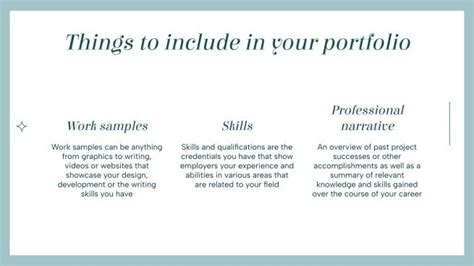
A professional artist’s portfolio is more than just a collection of works; it’s a meticulously crafted narrative, a testament to your artistic journey, and your most potent marketing tool. Curating it effectively means balancing your artistic voice with the expectations of galleries, clients, and collaborators. This guide will walk you through the process of enhancing both the artistry and elegance of your portfolio presentation.
Define Your Artistic Narrative and Audience
Before you even begin selecting pieces, ask yourself: What story do I want my portfolio to tell? What is my unique artistic voice, and how do I want to communicate it? Understanding your core message and the specific audience you’re targeting (e.g., fine art galleries, commercial clients, art schools) will significantly inform your selection process. Your portfolio should showcase a coherent vision, demonstrating consistency in your approach, themes, or technical skills, even if your style evolves.
The Art of Selection: Quality Over Quantity
This is arguably the most critical step. Your portfolio should feature only your absolute best work – pieces that exemplify your highest skill level, resonate with your artistic narrative, and are relevant to your current goals. Be ruthless in your editing. It’s far better to present 10 stellar pieces than 20 mixed-quality ones. Consider:
- Impact: Does the piece grab attention and leave a lasting impression?
- Relevance: Does it align with your current artistic direction and the opportunities you seek?
- Technical Mastery: Does it showcase your proficiency in your chosen medium and techniques?
- Completeness: Is the artwork fully resolved and representative of your best effort?
As a general rule, aim for 10-20 pieces that collectively represent your artistic voice and capabilities without overwhelming the viewer.
Visual Flow and Elegant Arrangement
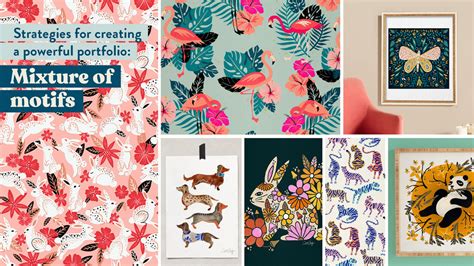
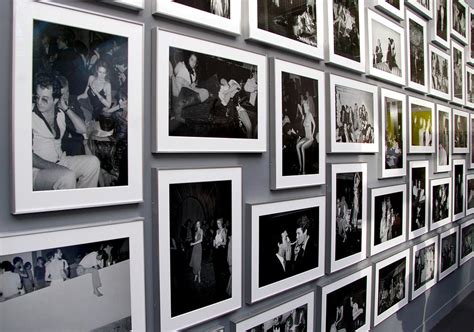
The order in which your pieces are presented profoundly impacts the viewer’s experience. Think of your portfolio as a visual journey. Start strong, maintain interest through the middle, and finish memorably. There are several ways to arrange your work:
- Chronological: Showcases your artistic development (often better for academic applications).
- Thematic: Groups works by subject matter, concept, or series.
- Aesthetic/Formal: Arranges works based on visual similarities like color palette, composition, or medium.
- Impact-driven: Starts and ends with your strongest pieces, placing slightly weaker (but still good) works in the middle.
Ensure there’s a natural progression and enough breathing room between pieces. Avoid jarring transitions that could disrupt the viewer’s engagement.
Impeccable Presentation: Photography & Documentation
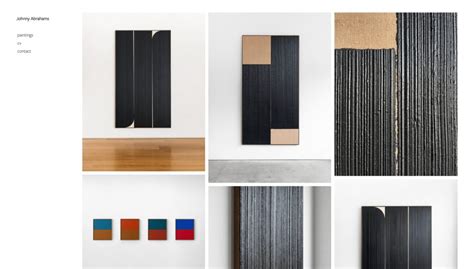
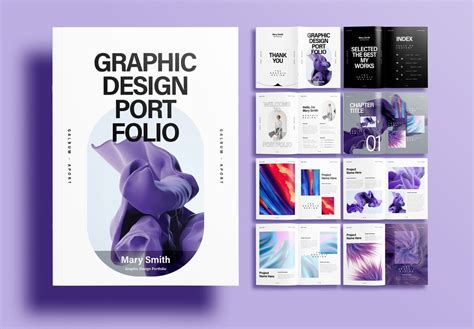
No matter how brilliant your artwork, poor documentation can undermine its impact. For a digital portfolio, high-resolution, color-accurate photographs are non-negotiable. Invest in professional photography or learn to do it yourself with proper lighting (natural, even light is often best) and a neutral background. Ensure all images are consistently cropped, clean, and free of distracting glare or shadows.
For each piece, provide concise and accurate information:
- Title
- Year created
- Medium
- Dimensions (H x W x D, in inches or cm)
- (Optional) A brief descriptive statement if context is crucial

Beyond the Art: Branding & Professionalism
Your portfolio should reflect professionalism in every detail. This extends beyond the artwork itself:
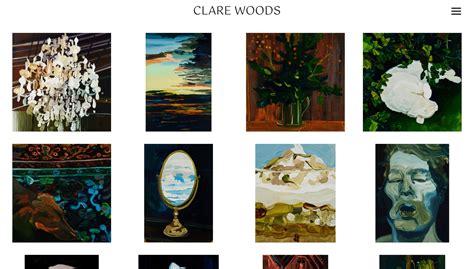
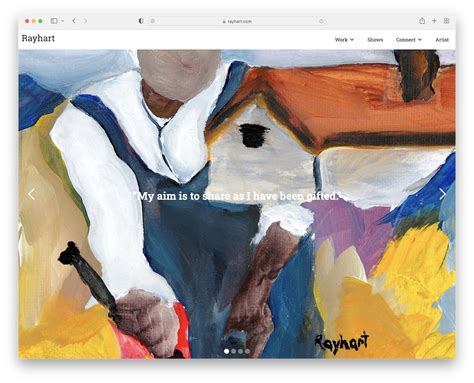
- Website/Platform: Choose a clean, user-friendly platform (e.g., Squarespace, ArtStation, personal website) that allows your art to shine without visual clutter. Ensure it’s mobile-responsive.
- Artist Statement & Bio: Include a concise (150-250 words) artist statement that articulates your intentions and a professional artist biography outlining your education, exhibitions, and achievements.
- Contact Information: Make it easy for potential clients or collaborators to reach you with clear contact details.
- Consistency: Maintain consistent branding (logo, color scheme, font choice) across your portfolio, website, and social media.
- Proofread: Double-check all text for typos or grammatical errors. A polished presentation includes flawless writing.

Continuous Refinement and Feedback
Your portfolio is not a static entity; it should evolve as your art does. Periodically review your work, remove older pieces that no longer represent your best, and add new ones. Seek feedback from trusted peers, mentors, or art professionals. An outside perspective can reveal blind spots and offer invaluable insights into how your portfolio is perceived. By consistently curating with an eye towards artistic integrity and elegant presentation, your portfolio will become a powerful ambassador for your creative vision and professional aspirations.