



How do I curate my Pro Artist Portfolio for maximum elegance and impactful artistry?
For any professional artist, a portfolio isn’t just a collection of works; it’s a meticulously crafted narrative, a visual resume, and a powerful statement of artistic intent. Curating a portfolio that exudes elegance and delivers impactful artistry is crucial for attracting the right opportunities, clients, and collaborators. It requires strategic selection, thoughtful presentation, and a deep understanding of your unique artistic voice.
Define Your Narrative and Niche
Before selecting a single piece, take time for introspection. What story do you want your art to tell? What themes consistently emerge in your work? Identifying your core artistic philosophy and target audience is the bedrock of a truly impactful portfolio. Whether you specialize in abstract expressionism, hyperrealist portraiture, or conceptual sculpture, clarity about your niche will guide your curation process, ensuring every included piece reinforces your unique brand.
The Art of Selection: Less is More
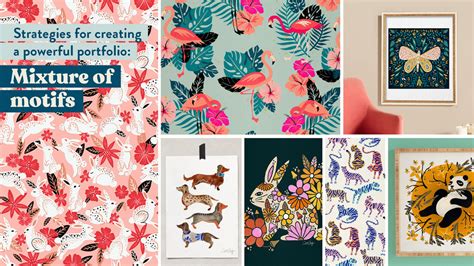
One of the most common pitfalls is including too many pieces. For maximum elegance and impact, prioritize quality over quantity. Select only your strongest, most representative works – those that best showcase your skill, vision, and technical mastery. Aim for a cohesive body of work, even if it spans different series or periods. A tightly edited portfolio with 10-15 exceptional pieces is far more compelling than 50 mediocre ones. Consider the context each piece provides to the overall narrative.
Ensure that the selected works demonstrate consistency in your artistic voice while also hinting at your range and potential. Each piece should be able to stand alone as a testament to your talent, yet also contribute to a larger, unified message.
Visual Flow and Presentation Excellence
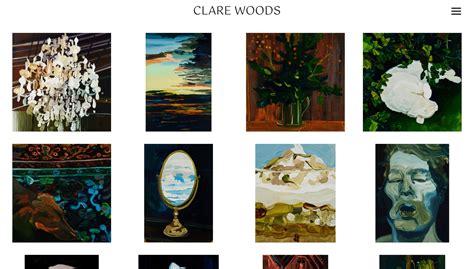
The presentation of your portfolio is as critical as the artwork itself. Invest in high-quality photography or digital scans of your physical works. Poor lighting, blurry images, or inconsistent backgrounds can severely detract from even the most brilliant art. Arrange your pieces in a logical, visually pleasing sequence. Think of your portfolio as a gallery exhibition: how do you want the viewer’s eye to travel?

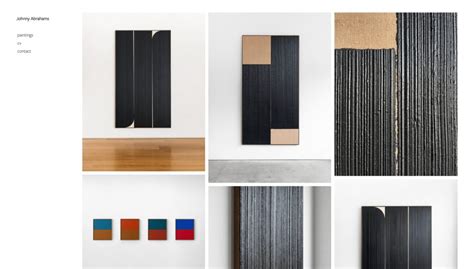
Whether digital or physical, ensure a clean, uncluttered layout. For digital portfolios, a professional website or platform offers a seamless experience. For physical portfolios, use archival materials, consistent framing (if applicable), and clear protective sleeves. Consistency in branding – from fonts to color schemes – reinforces professionalism and elegance.
Crafting Compelling Context
Your artwork should speak for itself, but a well-written artist statement and concise project descriptions provide invaluable context. An artist statement should articulate your artistic philosophy, influences, and the intentions behind your work, connecting viewers more deeply to your vision. For individual pieces or series, provide titles, dimensions, mediums, and a brief explanatory note that highlights the concept or process. This storytelling element transforms a simple viewing into an immersive experience, revealing the depth of your artistry.
This contextual information doesn’t just inform; it engages. It allows potential clients, gallerists, or employers to understand your creative journey and the significance of your output, moving beyond mere aesthetics to grasp the intellectual and emotional underpinnings of your art.
Feedback, Refinement, and Evolution
A portfolio is a living document, not a static collection. Seek honest feedback from trusted mentors, peers, or art professionals. Fresh eyes can spot areas for improvement in selection, sequencing, or presentation that you might overlook. Be open to constructive criticism and use it as an opportunity to refine and strengthen your portfolio.

As your artistic practice evolves, so too should your portfolio. Regularly review and update it, replacing older works with newer, stronger pieces that reflect your current capabilities and direction. This continuous refinement ensures your portfolio remains a dynamic and accurate representation of your impactful artistry and elegant professional persona.
Conclusion
Curating a professional artist portfolio is an art in itself. By meticulously defining your narrative, rigorously selecting your finest works, ensuring impeccable presentation, providing compelling context, and embracing ongoing refinement, you can create a portfolio that not only showcases your talent but also powerfully communicates your unique artistic vision, opening doors to a world of professional opportunities.