


How do I curate my Pro Artist Portfolio to best showcase enhanced artistry and elegance?
The Power of a Polished Portfolio
For any professional artist, a portfolio isn’t just a collection of work; it’s a meticulously curated narrative, a visual testament to your skill, vision, and unique artistic voice. To truly stand out and communicate enhanced artistry and elegance, your portfolio requires strategic thought and careful execution. It’s about presenting your best work in a way that resonates with galleries, clients, and collaborators, leaving a lasting impression of sophistication and mastery.
Strategic Selection: Quality Over Quantity
The first and most crucial step is to be ruthlessly selective. Do not include every piece you’ve ever created. Instead, focus on your strongest, most representative works that align with your current artistic direction and the impression you wish to make. Aim for consistency in quality and style, demonstrating a clear artistic voice while subtly showcasing your range. Each piece should be an intentional choice, contributing to the overall story of your artistic journey and capabilities.

Narrative Through Sequence: Building a Visual Story
The order in which your pieces appear can significantly impact how your portfolio is perceived. Think of it as a visual conversation. Start strong with an impactful piece, follow with works that elaborate on your themes or techniques, and end with another memorable work. Consider grouping pieces by series, medium, or theme to create cohesive sections. This thoughtful sequencing guides the viewer through your artistic progression and highlights your versatility without overwhelming them.
The Art of Presentation: Elegance in Every Detail
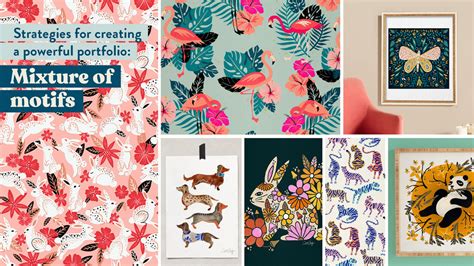
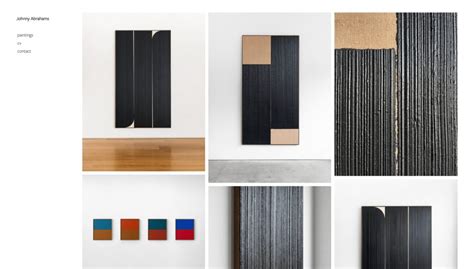
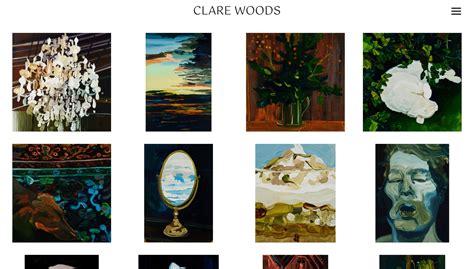
Elegance in a portfolio extends beyond the artwork itself to its presentation. This means ensuring high-resolution, professionally lit photography of your physical pieces, or impeccably rendered digital files for digital art. Every image should be crisp, color-accurate, and free of distractions. Opt for a clean, minimalist layout that allows your artwork to breathe and take center stage. Include concise, informative captions with titles, dimensions, medium, and year, but avoid overly verbose descriptions that distract from the visuals.

Showcasing Enhanced Artistry: Techniques and Vision
To highlight enhanced artistry, consider including a few pieces that demonstrate specific advanced techniques or conceptual depth. This might mean showing a detail shot of intricate brushwork, a process sketch that reveals your ideation, or a piece that pushes the boundaries of your chosen medium. Explain (briefly, in an artist statement or individual caption) the technical challenges overcome or the deeper concepts explored. This allows viewers to appreciate not just the finished product, but the skill and thought behind it.
Crafting Your Artist Statement and Bio
A concise, compelling artist statement is an indispensable tool for curating elegance. It provides context, articulates your philosophy, and frames your work for the viewer. Keep it brief, authentic, and free of jargon. Your bio should highlight relevant accomplishments, education, and exhibitions, further establishing your professional credibility. These textual elements should complement, not overshadow, your visual work.
Digital vs. Physical: Tailoring Your Approach
While the core principles remain the same, execution differs for digital and physical portfolios. For digital, prioritize user-friendly navigation on your website or platform, quick loading times, and mobile responsiveness. For physical portfolios, invest in high-quality prints and a sophisticated presentation case. Whether digital or physical, consistency in branding—from your logo to your font choices—reinforces a professional and elegant image.

Refinement and Feedback: The Ongoing Evolution
A professional portfolio is not a static entity; it’s an evolving collection. Regularly review your work, remove pieces that no longer represent your current best, and add new, stronger creations. Seek feedback from trusted mentors, peers, or art professionals. Their fresh perspective can offer invaluable insights into how your portfolio is perceived and where it can be further refined to truly convey enhanced artistry and elegance.