



How do I select & present pieces in a Pro Artist Portfolio to define elegance & enhance artistry?

Elevating Your Art: The Power of a Professional Portfolio
A professional artist portfolio is more than just a collection of your best works; it’s a meticulously curated narrative that speaks volumes about your vision, skill, and aesthetic. For artists aiming to define elegance and enhance their artistry, the process of selecting and presenting pieces is paramount. This guide will walk you through crafting a portfolio that not only showcases your talent but also communicates a refined sense of style and professional excellence.

Defining Elegance and Artistry in Your Portfolio
Elegance in art presentation isn’t about being ornate; it’s about clarity, sophistication, and a cohesive aesthetic that allows the artwork to breathe. Artistry, in this context, refers to the demonstrable mastery of your craft, innovative thinking, and unique creative voice. Your portfolio should reflect a thoughtful selection process where each piece contributes to a larger story of your artistic journey and capabilities. Consider what impression you want to leave on gallerists, clients, or curators – it should be one of intentionality and high standards.
Strategic Selection: Quality Over Quantity
The cornerstone of an elegant portfolio is a ruthless commitment to quality. Include only your absolute best work, even if that means fewer pieces. Each artwork should resonate with your overarching artistic statement and demonstrate a consistent level of excellence. Look for pieces that:
- Showcase Technical Proficiency: Clearly demonstrate your mastery of medium, composition, and technique.
- Reflect Your Unique Voice: Highlight works that are distinctly “you,” setting you apart from others.
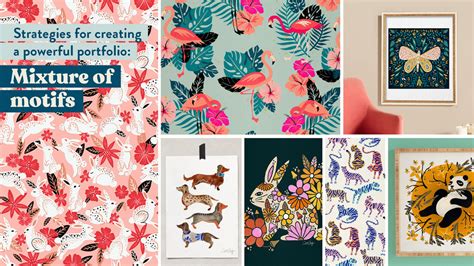
- Tell a Cohesive Story: Even if your style evolves, there should be an underlying theme or artistic philosophy connecting the selected works. Avoid including disparate pieces that confuse the viewer about your direction.
- Are Relevant to Your Goals: Tailor your selection to the specific opportunities you’re pursuing. Are you seeking gallery representation, commissions, or residencies? Choose works that align with those aspirations.

The Art of Presentation: Visual Storytelling
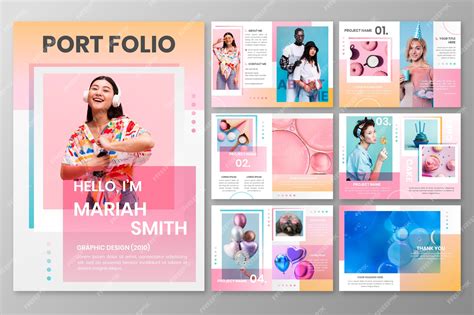
Once you’ve selected your pieces, the presentation itself becomes an artwork. High-quality visuals are non-negotiable. Professional photography or scans of your work are essential to capture true colors, textures, and details.
- High-Resolution Images: Ensure every image is crisp, well-lit, and accurately represents the physical artwork. Avoid blurry or poorly cropped photos.
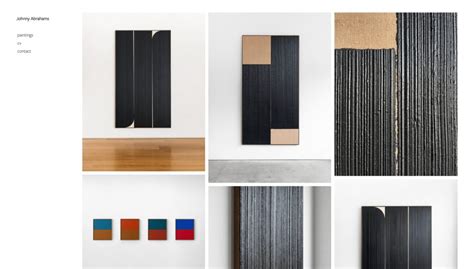
- Consistent Formatting: Maintain a uniform aesthetic across all images – background, lighting, and framing should be consistent to create a cohesive visual experience.
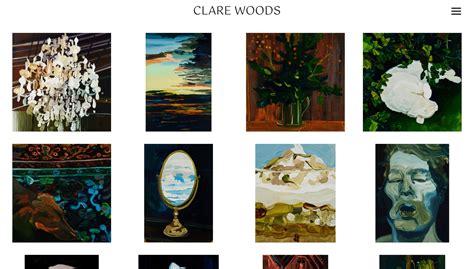
- Thoughtful Sequencing: Arrange your pieces in a logical and engaging flow. This could be chronological, thematic, or by medium, but it should tell a compelling visual story. Start and end strong, placing your most impactful pieces strategically.
- Clean Layout: Whether digital or physical, the layout should be minimalist and allow the artwork to be the star. Ample white space, clear fonts, and easy navigation are key. Digital portfolios should be user-friendly and mobile-responsive.

Crafting Your Narrative: Statements & Descriptions
Beyond the visuals, the accompanying text is crucial for defining elegance and enhancing artistry.
- Artist Statement: A concise (150-250 words) and compelling artist statement that articulates your artistic philosophy, influences, and what drives your practice. It should be authentic, insightful, and well-written.
- Individual Artwork Descriptions: For each piece, provide essential details: title, year, medium, dimensions, and a brief conceptual note. The conceptual note should add context or insight without over-explaining, inviting the viewer to engage further with the work. Ensure consistency in how these details are presented.
- Biography/CV: A professional bio outlining your artistic background, education, exhibitions, and achievements. Keep it updated and relevant to your goals.

Refining Your Vision and Seeking Feedback
An elegant portfolio is never truly “finished”; it evolves with your artistic practice. Regularly review and update your portfolio. As your skills grow and your style refines, replace older works with newer, stronger pieces.
- Seek Constructive Feedback: Share your portfolio with trusted mentors, fellow artists, or art professionals. Their objective perspective can reveal areas for improvement in both selection and presentation. Be open to criticism and use it to strengthen your overall presentation.
- Proofread Meticulously: Typos or grammatical errors undermine professionalism. Have multiple people proofread all written components.
Conclusion
Creating a professional artist portfolio that defines elegance and enhances artistry is a deliberate act of curation and presentation. By prioritizing quality over quantity, adopting a consistent and sophisticated presentation style, and articulating your artistic vision clearly, you transform your collection into a powerful statement. Your portfolio is not just a showcase; it’s an invitation to experience your unique world of art, presented with the professionalism and grace it deserves.