


How do I translate tutorial insights into flawless, elegant application for my features?

Bridging the Gap: From Screen to Flawless Face
We’ve all been there: mesmerized by a beauty guru effortlessly blending, contouring, and highlighting on screen, only to try replicating it at home and finding the results less than stellar. The challenge isn’t with the tutorials themselves, but in translating general advice into a bespoke application that celebrates and enhances your individual features. This guide will help you bridge that gap, turning theoretical insights into practical, elegant makeup mastery.
Understanding Your Canvas: Your Unique Features
The first step to flawless application is intimately knowing your own face. Generic tutorials often use models with ‘standard’ features, but yours are unique. Take time to analyze:
- Face Shape: Is it round, oval, square, heart, or long? This dictates where contour and highlight should go.
- Eye Shape: Almond, hooded, monolid, round, downturned? Each requires specific liner, shadow, and mascara techniques to flatter.
- Brow Shape: Do your natural brows frame your face well, or do they need a lift, extension, or fill-in?
- Lip Shape: Full, thin, asymmetrical? Understanding your natural lip line is crucial for defining and enhancing.
- Skin Tone & Undertone: Essential for choosing the correct foundation, concealer, blush, and even eyeshadow shades.
Once you’ve identified your key features, you can start to critically evaluate tutorial advice, asking, “How does this apply to *my* face?”
Deconstructing Techniques for Personalization
Instead of blindly copying, break down the techniques demonstrated in tutorials. Focus on the ‘why’ behind each step:
1. Adaptation, Not Duplication
If a tutorial shows contouring a model’s prominent cheekbones, and you have fuller cheeks, you might need to place your contour slightly differently or use a softer hand to create definition rather than carving out a sharp line. For hooded eyes, learning techniques like ‘falsifying a crease’ or focusing on the lower lash line becomes more relevant than a cut-crease shown on almond eyes.
2. The Art of Blending and Layering
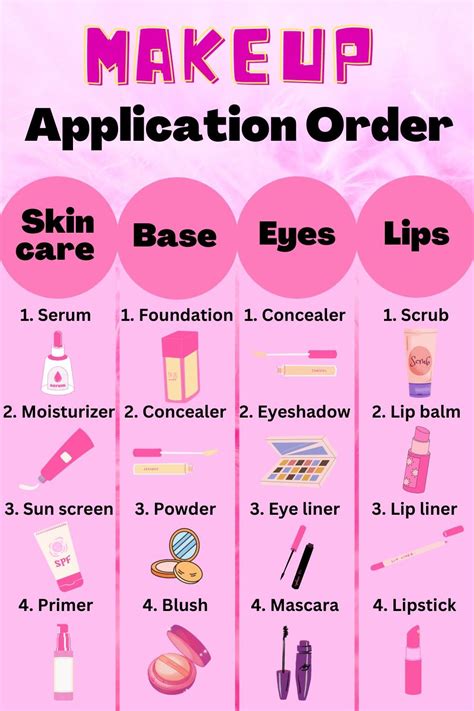
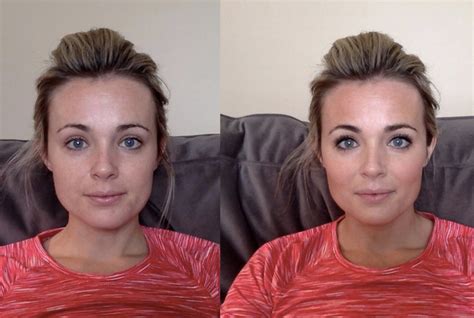
Flawless application hinges on seamless blending. Practice blending harsh lines until they disappear into a soft transition. Layering products—whether it’s foundation, concealer, or eyeshadow—allows for buildable coverage and intensity. Always start with less and gradually add more, blending meticulously between each layer.
3. Product Selection Matters
A product that works wonders for a guru with oily skin might not suit your dry complexion. Pay attention to product finishes (matte, dewy, satin), formulas (cream, powder, liquid), and ingredients. Investing in quality tools—brushes and sponges—also significantly impacts the finish.
Practice, Patience, and Self-Correction
Translating tutorial insights into elegant application isn’t an overnight process. It requires consistent practice and a willingness to experiment. Dedicate time to trying new techniques when you don’t have to rush out the door. Take photos of your makeup from different angles and in various lighting to objectively assess the results.
- Experiment: Don’t be afraid to try different brush types, product placements, or color combinations.
- Observe: Pay attention to how different lighting conditions affect your makeup.
- Refine: With each attempt, you’ll learn what works best for your features and personal style.
Remember, makeup is an art form, and your face is your unique canvas. Embrace the journey of discovery, and soon you’ll be applying makeup with the confidence and elegance of a seasoned pro, perfectly tailored to highlight your inherent beauty.